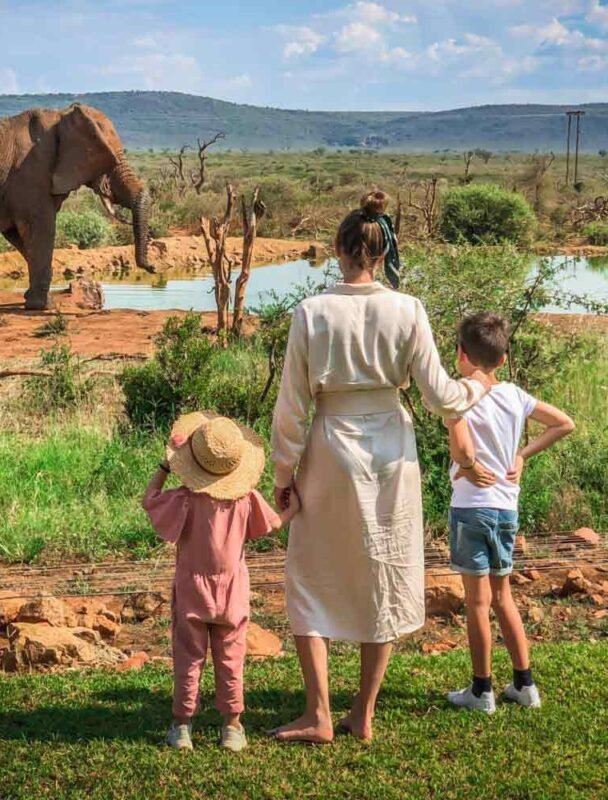

Discover the best safari for first-time visitors, comparing Kenya and Tanzania by wildlife, parks, seasons, luxury lodges, costs and itineraries.
Best Safari for First- Time Visitors: 10 Unforgettable Kenya and Tanzania Experiences
Choosing the best safari for first- time visitors can feel overwhelming. Africa offers dozens of remarkable wildlife destinations, different seasons, hundreds of camps and several ways to travel between them.
For most first-time safari travellers, Kenya and Tanzania provide the strongest introduction to Africa. Both countries offer iconic savannah landscapes, excellent wildlife viewing, experienced professional guides and an exceptional range of luxury camps and lodges.
Kenya is ideal for travellers who want varied landscapes, private conservancies, flexible activities and the option to combine the Masai Mara with Amboseli, Laikipia, Samburu or the Kenyan coast.
Tanzania is particularly rewarding for travellers drawn to the vast Serengeti, the Ngorongoro Crater, Tarangire’s elephants and a relaxing beach extension in Zanzibar. Tanzania’s official northern safari circuit links Tarangire, Ngorongoro and the Serengeti, while Kenya’s protected landscapes range from the Mara and Amboseli to Rift Valley lakes, Mount Kenya and the coast.
The best choice depends on your available time, preferred wildlife, travel dates and expectations of luxury.
At Luxe Travel Managers, we create private, tailor-made East African safaris from our base in Nairobi. This guide explains how to choose the best safari for first-time visitors, with a particular focus on Kenya and Tanzania.
Travellers beginning their research may also find our African Safari Complete Planning Guide and Kenya vs Tanzania Safari Guide helpful.

What Is the Best Safari for First-Time Visitors?
For most travellers, the best safari for first-time visitors is a seven- to ten-night journey through Kenya or Tanzania.
These destinations offer:
- Recognisable African landscapes
- Excellent opportunities to see big cats, elephants and plains game
- Luxury camps in prime wildlife locations
- Professional guiding
- Reliable safari infrastructure
- Scheduled light-aircraft connections
- Private safari vehicles
- A choice of road or fly-in itineraries
- Family and honeymoon accommodation
- Straightforward Indian Ocean beach extensions
Kenya is often the easiest choice for a shorter safari because several highly contrasting destinations can be combined within one itinerary. Tanzania rewards travellers who have slightly more time and want to experience the scale of the Serengeti alongside Ngorongoro and Tarangire.
A first safari should not attempt to visit every famous park. Three or four nights in two complementary wildlife areas usually creates a better experience than changing camps every one or two nights.
Kenya or Tanzania: Which Is Better for a First Safari?
There is no universal winner. Both countries offer an exceptional first African safari, but they suit slightly different travellers.
| Safari priority | Kenya | Tanzania |
|---|---|---|
| Best-known destination | Masai Mara | Serengeti |
| Other classic areas | Amboseli, Laikipia, Samburu and Lake Nakuru | Ngorongoro, Tarangire and Lake Manyara |
| Wildlife style | Varied wildlife regions within a compact itinerary | Expansive parks and long wilderness journeys |
| Great Migration | Northern migration stage in the Mara | More stages of the annual migration cycle |
| Private areas | Strong network of conservancies | Selected concessions and private reserves |
| Activities beyond game drives | Walking, horse riding, camel walks and conservation | Ballooning, crater descents, walking and cultural experiences |
| Best transport style | Fly-in, road or a combination | Private northern road safari or fly-in |
| Beach extension | Diani, Lamu and Watamu | Zanzibar, Pemba and Mafia |
| Ideal safari duration | Seven to ten nights | Eight to twelve nights |
| Best suited to | Families, couples and travellers wanting variety | Travellers wanting the Serengeti and a longer classic circuit |
Choose Kenya for Your First Safari When You Want:
- A highly varied itinerary
- Private conservancies
- Several activities beyond game drives
- A shorter luxury safari
- Elephants beneath Mount Kilimanjaro
- Rhino conservation experiences
- Northern Kenya’s specialist wildlife
- Diani, Lamu or Watamu after safari
- An exclusive-use villa or private safari house
Choose Tanzania for Your First Safari When You Want:
- The scale of the Serengeti
- Several stages of the Great Migration
- The Ngorongoro Crater
- A private road safari with one dedicated guide
- Tarangire’s elephants and baobabs
- Seasonal migration camps
- A Serengeti and Zanzibar itinerary
- A longer, slower journey through fewer large parks
Choose Kenya and Tanzania Together When:
- You have at least twelve to fourteen nights
- You want both the Masai Mara and Serengeti
- You want to compare private conservancies with national parks
- The Great Migration is a central priority
- You are comfortable with additional flights and border logistics
Our detailed Kenya vs Tanzania Safari Guide provides a complete comparison of parks, wildlife, seasons and accommodation.
The 10 Best Safari Experiences for First-Time Visitors
1. Masai Mara, Kenya: Best Classic First Safari
The Masai Mara is one of the strongest choices for a first African safari.
Its open landscapes make wildlife relatively easy to observe, while the combination of predators, elephants, giraffes, buffaloes and antelope creates the classic safari experience many travellers imagine before arriving in Africa.
Kenya’s official tourism platform describes the Mara as a landscape of golden plains, dramatic skies, predators and moving herds.
A luxury Masai Mara safari may include:
- Private morning and afternoon game drives
- Luxury tented accommodation
- Hot-air balloon flights
- Champagne bush breakfasts
- Private sundowners
- Specialist photographic guiding
- Bush lunches and dinners
- Spa treatments
- Great Migration viewing during suitable months
The Mara also works well for first-time visitors because it is easily reached by scheduled light aircraft from Nairobi.
Reserve or Private Conservancy?
Staying in or beside the national reserve provides convenient access to the Mara’s celebrated plains.
The surrounding conservancies can offer a quieter experience, smaller camps and additional activities such as guided walks and night drives, depending on the area and current regulations.
For a four- to six-night stay, combining the reserve with a private conservancy creates an especially complete experience.
Best for: First-time visitors, couples, families, photographers and honeymooners.
2. Amboseli, Kenya: Best for Elephants and Kilimanjaro Views
Amboseli is one of the most visually memorable safari destinations in East Africa.
Located in southern Kenya near Tanzania, it contains open plains, acacia woodland, swamps and marshes beneath Mount Kilimanjaro. The area is particularly known for its elephant populations, while lions, cheetahs, giraffes, buffaloes and rich birdlife also occur there.
A first-time visitor can enjoy:
- Close elephant viewing
- Kilimanjaro sunrise photography
- Private game drives
- Bush breakfasts
- Sundowners
- Maasai-led cultural experiences
- Spa and wellness time
- Selected walking or horseback activities outside the national park
Amboseli combines easily with Nairobi and the Masai Mara.
Best for: Elephant enthusiasts, photographers, families and travellers wanting two contrasting Kenya safari areas.
3. Laikipia, Kenya: Best for Activities and Conservation
Laikipia provides a more active and conservation-focused safari than the classic national-park experience.
The wider region contains private and community conservancies, protected ranches and exclusive safari properties. Depending on the lodge and conservancy, activities may include:
- Rhino tracking
- Guided walking
- Horse riding
- Camel walks
- Mountain biking
- Conservation talks
- Wildlife monitoring
- Scenic helicopter flights
- Fly-camping
- Star-bed sleep-outs
Kenya’s official tourism material highlights the country’s breadth of wilderness experiences, from vehicle safaris to walking, horseback exploration and specialist activities.
Laikipia is especially suitable for travellers concerned that several consecutive days of game drives may feel repetitive.
Best for: Active couples, families, multigenerational groups, conservation travellers and guests seeking privacy.
4. Serengeti, Tanzania: Best for Scale and the Great Migration
The Serengeti is the centre piece of many first-time Tanzania safaris.
Its immense plains support year-round wildlife and the seasonal movement of wildebeest and zebra through different parts of the ecosystem. Tanzania’s official tourism authority describes the herds moving north from the southern breeding grounds in search of fresh pasture.
The Serengeti is divided into several major regions:
Central Serengeti
Known for reliable resident wildlife and broad year-round appeal.
Southern Serengeti and Ndutu
Particularly important between approximately December and March, when migration herds gather on the short-grass plains and the calving period takes place.
Western Serengeti
Associated with seasonal movement through the western corridor.
Northern Serengeti
Particularly sought after during the middle and later dry-season months, when herds may move through northern Tanzania and the wider Mara ecosystem.
A luxury Serengeti safari may include:
- Private game drives
- Permanent or seasonal tented camps
- Hot-air balloon flights
- Bush breakfasts
- Specialist photography
- Private dining
- Light-aircraft transfers
- Plunge-pool suites
- Wellness treatments
The most important planning decision is choosing the correct Serengeti region for the travel month.
Best for: Great Migration travel, photographers, honeymooners and travellers seeking expansive wilderness.
5. Ngorongoro Crater, Tanzania: Best for Concentrated Wildlife
The Ngorongoro Crater offers a dramatic contrast to the Serengeti.
The official Ngorongoro Conservation Area Authority describes it as the world’s largest unbroken and unflooded caldera, measuring approximately 20 kilometres across and around 600 metres deep. Luxury accommodation is available within and around the wider conservation area.
A crater safari usually begins early in the morning and may include a private picnic breakfast or lunch.
The crater floor contains grasslands, woodland, wetlands and lake habitats, creating opportunities to observe a wide range of wildlife within one extended game drive.
Ngorongoro is particularly suitable for first-time visitors because it combines striking scenery with diverse animal sightings. It should usually be included alongside the Serengeti rather than used as a replacement for it.
Best for: First safaris, Big Five-focused travel, families, couples and photographers.
6. Tarangire, Tanzania: Best for Elephants and Baobab Landscapes
Tarangire is an excellent first stop on a northern Tanzania safari.
The park is known for elephant herds, ancient baobab trees and wildlife gathering around the Tarangire River during drier periods. Tanzania Tourism identifies Tarangire, Ngorongoro and the Serengeti as the country’s signature northern safari circuit.
Activities may include:
- Private game drives
- Elephant viewing
- Baobab photography
- Guided walks in suitable areas
- Night drives in selected concessions
- Bush dining
- Sundowners
- Family activities
Tarangire has a more intimate atmosphere than some areas of the Serengeti and adds visual variety to the itinerary.
Best for: Elephants, families, landscape photography and private northern-circuit safaris.
7. Private Game Drives: Best Luxury Upgrade for Beginners
A private vehicle is one of the most valuable additions to the best safari for first-time visitors.
Shared vehicles require several guests to agree on departure times, drive duration and wildlife interests. A private vehicle allows the experience to be shaped around one couple, family or group.
Benefits include:
- Flexible departure times
- More space
- Longer stops at memorable sightings
- Easier photography
- Private coffee breaks and sundowners
- Shorter drives when required
- Greater freedom to discuss questions with the guide
- No need to compromise with unrelated guests
A private vehicle is particularly worthwhile for:
- Families with children
- Honeymooners
- Photographers
- Travellers with mobility considerations
- Guests who value privacy
- Anyone who may prefer a slower pace
For many first-time travellers, investing in a private vehicle has a greater effect on the safari than upgrading to a larger suite.
8. Luxury Tented Camps: Best Authentic Safari Accommodation
First-time travellers sometimes imagine a safari tent as basic accommodation.
A luxury tented suite may instead include:
- A large bedroom
- En-suite bathroom
- Hot running water
- Indoor and outdoor showers
- Freestanding bathtub
- Private deck
- Personal bar
- Butler or host service
- Fireplace
- Private plunge pool
- Expansive wilderness views
Canvas creates a stronger connection to the environment because guests can hear the natural sounds surrounding the camp.
Travellers who prefer more substantial walls, larger facilities and extensive wellness areas may choose a permanent safari lodge instead.
The right accommodation should be selected according to:
- Wildlife location
- Quality of guiding
- Number of rooms
- Vehicle policy
- Camp atmosphere
- Privacy
- Included activities
- Family or honeymoon requirements
Read our guide to Luxury African Safaris for more information about tented camps, lodges and private villas.
9. A Hot-Air Balloon Safari: Best Iconic First-Safari Experience
A sunrise hot-air balloon flight over the Masai Mara or Serengeti is one of East Africa’s most celebrated premium experiences.
The flight provides a different perspective of the plains and is commonly followed by breakfast in the wilderness. Ballooning is also offered as part of selected official Tanzania safari itineraries.
Balloon safaris are weather-dependent and usually involve:
- A very early departure
- A safety briefing
- Approximately one hour in the air, depending on conditions
- A bush breakfast
- Road transfer back to camp
Age, mobility and health restrictions vary by operator and must be confirmed before booking.
10. Safari and Beach: Best Complete First African Holiday
Combining safari with the Indian Ocean creates a natural balance between activity and rest.
After several days of early starts and game drives, the beach provides time for swimming, spa treatments, sailing and quiet afternoons.
Kenya Safari and Beach Options
- Diani
- Lamu
- Watamu
- Private Kenyan coastal villas
Tanzania Safari and Beach Options
- Zanzibar
- Pemba
- Mafia Island
- Private-island retreats
Tanzania Tourism presents Zanzibar, Pemba, Mafia and Kilwa as coastal destinations offering lagoons, dhow cruises, marine parks and Swahili culture.
Zanzibar also combines beaches with Stone Town, spice heritage and island culture.
For first-time visitors, a safari-and-beach holiday usually works best over twelve to fourteen nights.
Explore our African Safari and Beach Holidays guide for additional route ideas.
Best Safari for First-Time Visitors by Traveller Type
Best First Safari for Couples
Choose:
- Masai Mara and Laikipia
- Serengeti and Ngorongoro
- Kenya and Zanzibar
- Tanzania and Zanzibar
Prioritise private game drives, small camps, bush dining and at least three nights in each main wildlife area.
Read our African Honeymoon Safari Guide for romantic destination ideas.
Best First Safari for Families
Kenya has a slight advantage for families with younger children because it offers private safari houses, varied conservancy activities and easy safari-and-beach combinations.
Tanzania works particularly well for school-age children and teenagers who can manage longer drives through the northern circuit.
A family safari should include:
- Private vehicle
- Suitable room configuration
- Experienced family guide
- Flexible meal times
- Shorter activities where needed
- Swimming pool
- Age-appropriate conservation experiences
Read our African Family Safari Guide for advice on children’s ages, private vehicles and family accommodation.
Best First Safari for Honeymooners
Choose Kenya for:
- Private Mara conservancies
- Laikipia
- Intimate safari houses
- Diani or Lamu
Choose Tanzania for:
- Serengeti
- Ngorongoro
- Seasonal migration camps
- Zanzibar pool villas
Best First Safari for Photographers
Choose:
- Masai Mara for predators and open plains
- Amboseli for elephants and Kilimanjaro
- Serengeti for scale and migration
- Ngorongoro for varied wildlife and scenery
- Tarangire for elephants and baobabs
A private photographic vehicle and specialist guide are worth prioritising.
Best First Safari for Older Travellers
A fly-in Kenya safari can reduce long road transfers.
Select camps with:
- Short distances from the airstrip
- Minimal stairs
- Accessible vehicles
- Comfortable communal areas
- In-room bathrooms
- Medical and emergency support
- Flexible activity schedules
Tanzania can also be suitable, particularly with a carefully planned fly-in route or fewer road sectors.
What Animals Can First-Time Safari Visitors Expect to See?
No wildlife sighting can be guaranteed.
However, Kenya and Tanzania provide excellent opportunities to observe:
- Lions
- Leopards
- Cheetahs
- Elephants
- Buffaloes
- Giraffes
- Zebras
- Wildebeest
- Hippos
- Crocodiles
- Hyenas
- Warthogs
- Antelope
- Rich birdlife
Rhinos may be seen in selected regions including Lake Nakuru, Lewa, Ol Pejeta and the Ngorongoro ecosystem. Lake Nakuru is recognised by Kenya Wildlife Service as a sanctuary for both black and white rhinos.
Where to See the Big Five
The Big Five refers to lion, leopard, elephant, buffalo and rhino.
Potential destinations include:
- Masai Mara
- Selected Kenya conservancies
- Ol Pejeta and Lewa
- Serengeti
- Ngorongoro Crater
A first safari should not become a checklist exercise. Smaller animals, birds, landscapes and animal behaviour often create equally memorable experiences.
Best Time for a First African Safari
Kenya and Tanzania provide year-round wildlife experiences, but different seasons offer different advantages.
Magical Kenya promotes the country as a year-round safari destination, with varied experiences available in every season.
January to March
Particularly suitable for:
- Tanzania’s southern Serengeti
- Wildebeest calving
- Predator activity
- Kenya’s resident wildlife
- Warm weather
- Zanzibar combinations
This is one of the best periods for first-time travellers interested in Tanzania’s migration cycle.
April and May
These months are associated with the longer rains in much of East Africa.
Potential advantages include:
- Green scenery
- Fewer vehicles
- Lower seasonal rates
- Greater availability
- Dramatic photography
Some camps close, and road transfers may take longer.
June to October
This is the most popular overall period for a first East African safari.
Benefits include:
- Drier conditions
- Strong general wildlife viewing
- The northern migration season
- Good access to Kenya and Tanzania’s major parks
- Excellent safari-and-beach combinations
Demand and prices are also higher.
November and December
Shorter rains can create:
- Greener landscapes
- Migratory birdlife
- Fewer visitors outside festive dates
- Seasonal offers
- Strong resident wildlife viewing
The best season depends on whether you prioritise dry weather, migration activity, fewer guests or value.
Read our Best Time to Go on an African Safari guide for a month-by-month comparison.
How Many Days Should a First Safari Be?
For most travellers, the best safari for first-time visitors lasts between seven and twelve nights.
Five to Seven Nights
Suitable for:
- Nairobi and the Masai Mara
- Amboseli and the Masai Mara
- Ngorongoro and Serengeti
- A short safari before the beach
This is the minimum comfortable length for a meaningful first safari.
Eight to Ten Nights
Ideal for:
- Laikipia and Masai Mara
- Amboseli and Masai Mara
- Tarangire, Ngorongoro and Serengeti
- Two safari regions followed by a short beach stay
This duration provides the best balance for many first-time visitors.
Twelve to Fourteen Nights
Best for:
- Kenya and Tanzania combined
- Safari and beach
- Families
- Honeymoons
- Multiple Serengeti regions
- A slower, more luxurious pace
Avoid adding too many one- or two-night stops. Three or four nights per camp allows time for wildlife, lodge relaxation and changes in weather or animal movement.
Road Safari or Fly-In Safari?
Kenya Fly-In Safari
Scheduled light-aircraft flights connect Nairobi with destinations including the Masai Mara, Amboseli, Laikipia and Samburu.
Advantages include:
- Shorter travel times
- Scenic flights
- More time in camp
- Easier combination of distant regions
Considerations include:
- Soft-sided luggage requirements
- Restricted baggage allowances
- Multiple airstrip stops on some routes
- Shared game drives unless a private vehicle is arranged
Kenya Road Safari
Private road travel works well between:
- Nairobi and Amboseli
- Nairobi, Lake Nakuru and Masai Mara
- Amboseli, Tsavo and the coast
- Nairobi and Laikipia
Road travel provides continuity with one guide and a view of the countryside between parks.
Tanzania Private Road Safari
Northern Tanzania is particularly well suited to a private road safari.
A typical route begins in Arusha and continues through:
- Tarangire
- Lake Manyara
- Ngorongoro
- Serengeti
The same private guide and vehicle can remain with the travellers for much of the itinerary.
Tanzania Fly-In Safari
Flying is valuable for:
- Remote Serengeti regions
- Shorter holidays
- Connecting directly to Zanzibar
- Southern Tanzania
- Avoiding the return drive to Arusha
Many of the strongest Tanzania itineraries combine road and air travel.
How Much Does a First African Safari Cost?
The cost depends on:
- Travel season
- Camp category
- Private or shared vehicle
- Internal flights
- Park and conservancy fees
- Room type
- Number of destinations
- Premium activities
- Beach extension
A first safari should be evaluated by its total inclusions rather than the room rate alone.
A luxury quotation may include:
- Accommodation
- Meals
- Selected drinks
- Game drives
- Professional guides
- Park or conservancy fees
- Internal flights
- Airstrip transfers
- Laundry
- Emergency support
Possible additional costs include:
- International flights
- Visas
- Travel insurance
- Private vehicles
- Balloon flights
- Spa treatments
- Premium beverages
- Gratuities
Read How Much Does an African Safari Cost? for a detailed pricing guide.
Sample Seven-Night Kenya Safari for First-Time Visitors
Day 1: Arrival in Nairobi
Receive private airport assistance and transfer to a luxury Nairobi hotel.
Days 2–4: Amboseli National Park
Fly or drive to Amboseli for elephant viewing, Kilimanjaro photography and private game drives.
Days 5–8: Masai Mara
Continue by light aircraft to the Masai Mara. Enjoy private wildlife viewing, sundowners, bush dining and an optional balloon safari.
Optional Extension
Add four or five nights in Diani or Lamu.
Sample Nine-Night Kenya Safari for First-Time Visitors
Day 1: Nairobi
Rest after the international flight.
Days 2–4: Laikipia or Ol Pejeta
Enjoy conservation experiences, rhino viewing, walking or horseback activities.
Days 5–8: Masai Mara
Stay in the reserve, a private conservancy or a combination of both.
Day 9: Nairobi
Return for departure or continue to the coast.
Sample Eight-Night Tanzania Safari for First-Time Visitors
Day 1: Arusha
Arrive at Kilimanjaro International Airport and transfer to a luxury lodge.
Days 2–3: Tarangire
Explore elephant and baobab country by private vehicle.
Days 4–5: Ngorongoro Highlands
Enjoy a private crater descent and time at a luxury highland lodge.
Days 6–8: Serengeti
Stay in the region best suited to the season.
Day 9: Departure or Zanzibar
Fly to Arusha or continue directly to Zanzibar.
Sample 12-Night Tanzania Safari and Zanzibar Holiday
Day 1: Arusha
Private arrival assistance and an overnight stay.
Days 2–3: Tarangire
Private game drives and elephant viewing.
Days 4–5: Ngorongoro
Crater safari and highland scenery.
Days 6–9: Serengeti
Private wildlife viewing and an optional balloon flight.
Days 10–12: Zanzibar
Relax in a private pool villa, visit Stone Town or enjoy a sunset dhow cruise.
Sample Kenya and Tanzania Combined Safari
Days 1–3: Amboseli
Begin with elephants and Kilimanjaro scenery.
Days 4–7: Serengeti
Fly or travel onward to Tanzania for several days in the Serengeti.
Days 8–9: Ngorongoro
Descend into the crater and stay in the highlands.
Days 10–13: Masai Mara
Complete the safari in Kenya’s most famous wildlife region.
Days 14–17: Zanzibar, Diani or Lamu
Add an Indian Ocean beach extension.
Cross-border itineraries require careful planning around flight schedules, border points and the location of the Great Migration.
Common First-Safari Planning Mistakes
Trying to Visit Too Many Parks
More destinations do not automatically create a better safari.
Constant packing, airstrip transfers and long drives can reduce the sense of immersion.
Staying Only Two Nights in Each Camp
Two nights normally provides only one full day. Three or four nights gives guests time to understand the landscape and enjoy the lodge.
Choosing Accommodation Only by Appearance
A beautiful suite cannot compensate for a poor wildlife location or unsuitable vehicle policy.
Consider:
- Location
- Guiding
- Camp size
- Private-vehicle availability
- Access to wildlife
- Activities
- Atmosphere
Expecting Guaranteed Wildlife
Safari takes place in natural environments. Ethical operators cannot guarantee a particular crossing, hunt or animal sighting.
Not Booking a Private Vehicle
First-time visitors often have many questions and different priorities. A private vehicle provides freedom and comfort.
Ignoring Transfer Times
A destination may appear close on a map while requiring a long drive or indirect flight.
Packing Too Much
Light-aircraft baggage allowances are limited. Most luxury camps provide laundry.
Scheduling Every Moment
Leave time for the pool, spa, private deck and slower lodge experiences.
What to Pack for Your First Safari
Pack:
- Lightweight neutral clothing
- Warm layers for early mornings
- Comfortable closed shoes
- Sun hat
- Sunglasses
- Sunscreen
- Insect repellent
- Binoculars
- Camera and spare batteries
- Chargers and adaptors
- Personal medication
- Swimwear
- Reusable water bottle
- Soft-sided luggage
- Travel-document copies
Avoid bright camouflage patterns, excessive formal clothing and hard suitcases when using light aircraft.
Health, Safety and Travel Preparation
First-time visitors should obtain personalised advice from a qualified travel-health professional.
Discuss:
- Exact countries and regions
- Malaria prevention
- Routine vaccinations
- Yellow-fever requirements
- Personal medications
- Travel insurance
- Emergency medical evacuation
- Food allergies
- Mobility needs
Tanzania’s official trip-planning guidance recommends preparing health and safety documentation and considering evacuation cover for remote parks.
Visa, vaccination and entry requirements can change and should be reconfirmed before departure.
Why Kenya and Tanzania Are Ideal for a First Luxury Safari
Kenya and Tanzania combine the elements first-time visitors are usually hoping to experience:
- Iconic wildlife
- Big cats
- Elephant herds
- Open savannahs
- Beautiful tented camps
- Professional guides
- Bush breakfasts
- Sundowners
- Balloon safaris
- Warm hospitality
- Indian Ocean beaches
They also offer enough variety for travellers to return several times and experience a completely different journey.
A first Kenya safari may focus on the Masai Mara and Amboseli. A future journey may explore Laikipia, Samburu or Meru.
A first Tanzania safari may combine Ngorongoro and the Serengeti. A later journey may explore Ruaha, Nyerere, Katavi or the chimpanzee regions of western Tanzania.
Why Book Your First Safari with Luxe Travel Managers?
Luxe Travel Managers is a Kenya-owned and managed luxury travel company based in Nairobi.
Our on-ground position allows us to combine direct destination knowledge with trusted relationships across Kenya and Tanzania.
We arrange:
- Tailor-made first-time safari itineraries
- Private safari vehicles
- Professional guides
- Handpicked luxury camps
- Private conservancy stays
- Seasonal Serengeti camps
- Scheduled light-aircraft flights
- Private charter flights
- Family safari accommodation
- Honeymoon suites
- Exclusive-use villas
- Great Migration journeys
- Safari-and-beach holidays
- Personal assistance throughout the journey
We do not recommend the same best safari for first-time visitors to every traveller.
A couple may be best suited to the Serengeti and Zanzibar. A family may benefit from a private Kenya safari house and dedicated vehicle. A photographer may prefer a longer stay in the Masai Mara, while an active traveller may enjoy Laikipia.
Every journey is designed around the individual guest.
Begin Planning Your First African Safari
The best safari for first-time visitors should feel exciting but never overwhelming.
It should introduce you to exceptional wildlife, beautiful landscapes and the rhythm of safari while providing enough comfort, privacy and time to appreciate each destination.
Choose Kenya for variety, private conservancies and flexible itineraries. Choose Tanzania for the scale of the Serengeti, Ngorongoro and Zanzibar. Combine both when time allows.
Contact Luxe Travel Managers to begin planning your private, tailor-made first African safari through Kenya, Tanzania or both.
SEO FAQ Section
What is the best safari for first-time visitors?
Kenya and Tanzania are among the best choices. Kenya offers varied landscapes and private conservancies, while Tanzania offers the Serengeti, Ngorongoro and Tarangire.
Is Kenya or Tanzania better for a first safari?
Kenya is particularly suitable for shorter, varied itineraries. Tanzania is ideal for travellers seeking the scale of the Serengeti and a longer northern safari circuit.
How many days should a first African safari be?
Seven to ten nights works well for most first-time visitors. Allow twelve to fourteen nights when combining safari with a beach extension or visiting both Kenya and Tanzania.
Is the Masai Mara or Serengeti better for a first safari?
The Masai Mara is more compact and combines well with private conservancies. The Serengeti is larger and offers access to more stages of the Great Migration. Both are excellent.
What animals will I see on my first safari?
Common sightings may include lions, elephants, giraffes, zebras, buffaloes, wildebeest, hippos, hyenas and several antelope species. Wildlife is natural and never guaranteed.
What is the best time for a first African safari?
June to October is popular for dry-season wildlife viewing. January to March is excellent for southern Serengeti calving and resident wildlife in Kenya.
Should first-time visitors book a private safari vehicle?
A private vehicle is highly recommended because it offers flexibility, privacy and more control over each game drive.
Is a road or fly-in safari better for beginners?
Kenya works well as either a road or fly-in safari. Northern Tanzania is particularly suited to a private road journey, often followed by a flight from the Serengeti.
Can a first safari be combined with the beach?
Yes. Kenya can be combined with Diani, Lamu or Watamu. Tanzania can be combined with Zanzibar, Pemba or Mafia Island.
Is a luxury tented camp safe?
Luxury tented camps follow strict operating procedures. Guests receive safety briefings and may be escorted after dark because many camps are unfenced.
How much does a first African safari cost?
The cost depends on the destination, season, accommodation, park fees, flights and private services. A personalised quotation provides the most accurate answer.
How far ahead should a first safari be booked?
Planning nine to eighteen months ahead is advisable for peak season, small luxury camps, private villas and Great Migration travel.