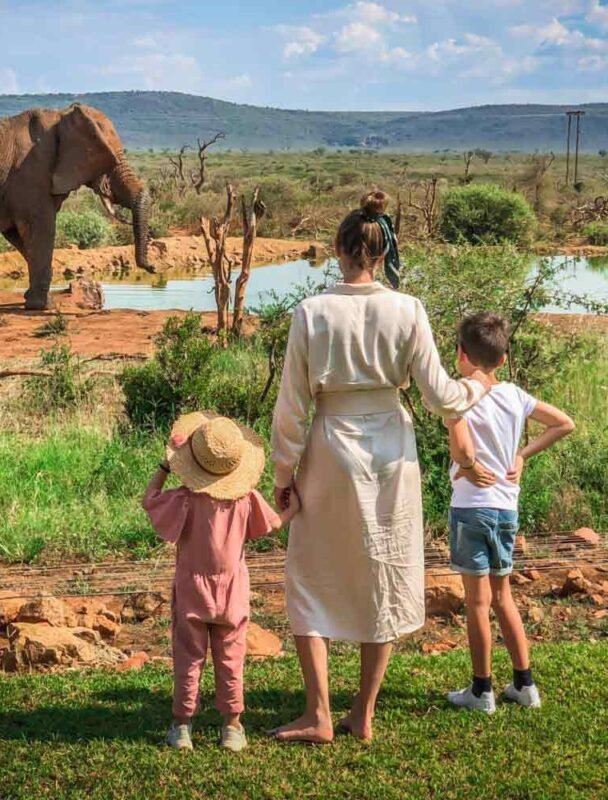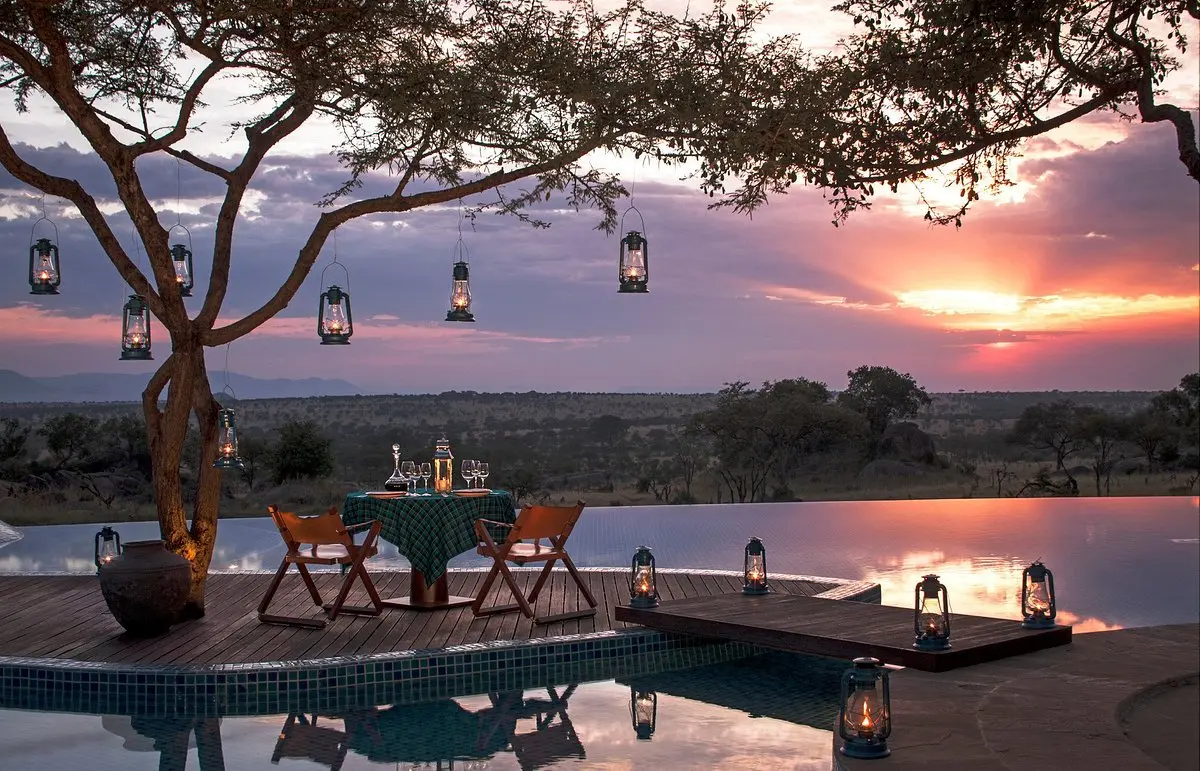

Tanzania Safari: Serengeti, Ngorongoro and Zanzibar Travel Guide
A Tanzania safari brings together some of Africa’s most celebrated wildlife landscapes with one of the Indian Ocean’s most captivating island destinations.
Days may begin on the open plains of the Serengeti, where lions rest beneath acacia trees and immense herds move through the wider ecosystem. The journey can continue to the Ngorongoro Crater, a vast volcanic landscape supporting exceptional concentrations of wildlife, before ending beside Zanzibar’s warm turquoise waters.
This combination of safari and beach makes Tanzania especially appealing to honeymooners, families, couples and first-time visitors to Africa. It offers wildlife, scenery, cultural encounters, sophisticated safari camps and restorative time beside the ocean within one carefully planned itinerary.
At Luxe Travel Managers, we design private, tailor-made Tanzania safari holidays around each guest’s interests, preferred pace and expectations of luxury. This guide explains where to go, when to travel, where to stay and how to combine the Serengeti, Ngorongoro Crater and Zanzibar in one seamless journey.
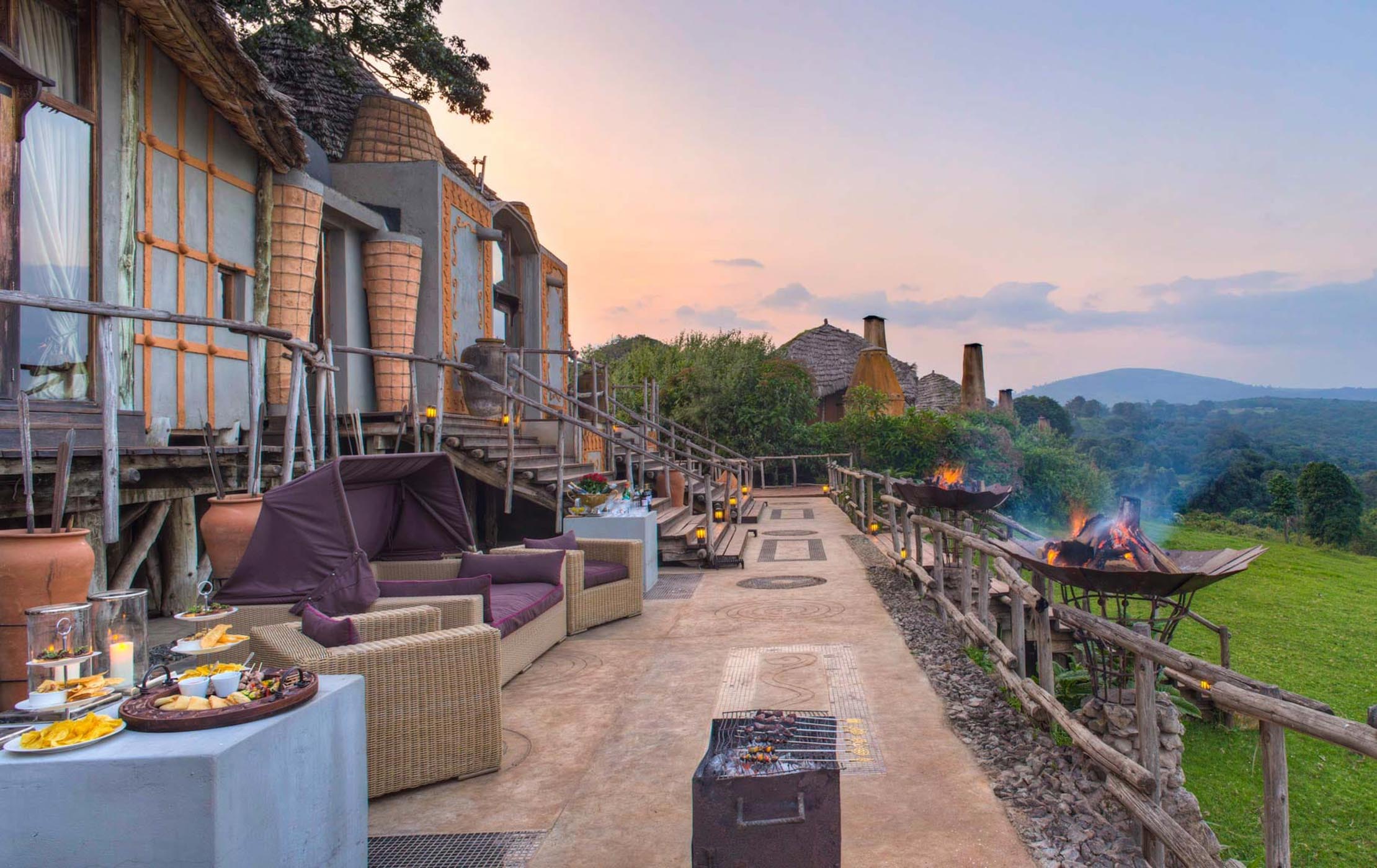
A luxury lodge overlooking Tanzania’s wilderness in Ngorongoro
Why Choose a Tanzania Safari?
Tanzania offers an exceptional variety of experiences within one country. Travellers can explore open savannahs, volcanic highlands, baobab landscapes, remote river systems, tropical forests and Indian Ocean islands.
The country’s protected-area network includes renowned northern destinations such as Serengeti, Ngorongoro and Tarangire, as well as remote southern parks including Nyerere and Ruaha. Its official tourism authority identifies the northern circuit as the country’s most iconic safari route and the southern circuit as a quieter choice for travellers seeking deeper wilderness experiences.
A luxury Tanzania safari may include:
- Private game drives
- The Great Migration
- Hot-air balloon safaris
- Luxury tented camps
- Crater-floor wildlife viewing
- Walking safaris
- Boat safaris
- Scenic light-aircraft flights
- Private bush dining
- Cultural experiences
- Family-friendly accommodation
- Romantic honeymoon suites
- Zanzibar pool villas
- Dhow sailing and marine activities
Tanzania also lends itself naturally to both road and fly-in safaris. Guests can travel through the northern circuit with a private guide or use light aircraft to connect the Serengeti directly with Zanzibar. &Beyond notes that travellers frequently combine the northern circuit with an island stay and that light-aircraft transfers make the transition between safari and coast particularly convenient.
What Defines a Luxury Tanzania Safari?
A luxury Tanzania safari is not simply a collection of expensive lodges. It is a carefully paced journey with exceptional guiding, well-positioned accommodation and seamless logistics.
The experience may include:
- A private safari vehicle
- A dedicated professional guide
- Exclusive airport assistance
- Scheduled or private charter flights
- Small camps with limited suites
- Private plunge pools
- Personalised dining
- Specialist photographic guiding
- Private balloon or helicopter experiences
- Spa and wellness treatments
- Personal support throughout the journey
A private vehicle is particularly valuable on a Tanzania safari. It gives guests control over departure times, wildlife interests, photography stops and the length of each game drive. Current private northern-circuit itineraries offered by leading safari specialists similarly use exclusive four-wheel-drive vehicles to create a more flexible and personal experience.
Best Tanzania Safari Destinations
1. Serengeti National Park: The Heart of a Tanzania Safari
The Serengeti is the centrepiece of many luxury Tanzania safari itineraries.
Its name is closely associated with vast plains, prolific resident wildlife, major predator populations and the annual Great Migration. Tanzania’s official tourism authority describes the migration as a large-scale movement of wildebeest and zebra northward from the southern breeding grounds in search of fresh pasture.
The Serengeti is not one single safari area. Its different regions become more or less rewarding according to the season, rainfall and location of the migrating herds.
Central Serengeti
The central Serengeti, often referred to as Seronera, is known for reliable resident wildlife and broad year-round appeal.
Its position makes it useful for first-time visitors and travellers who are less focused on one particular migration stage. The area supports varied landscapes, predators and permanent water sources.
Best for: First-time visitors, year-round wildlife, families and shorter itineraries.
Southern Serengeti and Ndutu
The southern plains become especially important between approximately December and March, when migration herds gather around the short-grass areas.
January to March is generally associated with the wildebeest-calving period. The arrival of young animals also attracts predators, making this a compelling season for wildlife photography and migration-focused travel. Tanzania’s tourism authority currently promotes the calving period as one of the Serengeti’s signature seasonal experiences.
Best for: Calving season, predator activity, photographers and honeymoon travel.
Western Serengeti
The western corridor is associated with the herds’ movement toward the Grumeti River as they continue their seasonal journey.
Timing varies from year to year, and the migration should always be treated as a natural cycle rather than a fixed appointment.
Best for: Seasonal migration travel, quieter landscapes and repeat safari visitors.
Northern Serengeti
The northern Serengeti becomes particularly sought after between approximately July and October, when herds may move through the region and between Tanzania and Kenya.
It is possible to stay entirely within Tanzania while experiencing this northern stage of the migration. Luxury camps in the area provide access to river systems, open landscapes and wildlife viewing without crossing into Kenya.
Best for: Northern migration season, couples, photographers and longer Serengeti stays.
Eastern Serengeti
Eastern areas can provide dramatic open scenery, predator activity and a more remote atmosphere during suitable seasons.
Camp access and seasonal appeal vary, so this region should be selected with specialist advice.
Luxury Serengeti experiences
- Private game drives
- Hot-air balloon flights
- Champagne bush breakfasts
- Seasonal migration camps
- Private sundowners
- Specialist photographic guiding
- Bush lunches and dinners
- Walking experiences in permitted areas
- Fly-in transfers
- Wellness treatments overlooking the plains
The Serengeti is rewarding beyond the migration. Resident wildlife remains throughout the year, and travellers should not overlook the quieter months simply because the largest herds may be elsewhere.
2. Ngorongoro Crater: A Remarkable Volcanic Safari Landscape
The Ngorongoro Conservation Area offers one of Tanzania’s most distinctive safari experiences.
Its centrepiece is an immense volcanic crater. The Ngorongoro Conservation Area Authority describes it as the world’s largest unbroken and unflooded caldera, approximately 20 kilometres across and around 600 metres deep.
The crater floor contains grassland, woodland, wetlands and lake environments. Because the area is relatively compact compared with the Serengeti, guests may encounter a wide variety of wildlife during one extended game drive.
A Ngorongoro stay also adds a different climate and atmosphere to a Tanzania safari. Mornings along the highlands can be cool and misty, while luxury lodges positioned near the rim offer expansive views.
Luxury Ngorongoro experiences
- Early crater descents
- Private crater-floor game drives
- Private picnic breakfasts or lunches
- Crater-rim accommodation
- Highland walks in appropriate areas
- Cultural and heritage experiences
- Visits to Oldupai Gorge
- Private dining
- Spa treatments
- Scenic helicopter transfers
Ngorongoro should usually be combined with the Serengeti rather than treated as a substitute for it. The crater provides concentrated game viewing and dramatic topography, while the Serengeti offers scale, open horizons and a greater sense of journey.
Best for: First-time visitors, Big Five-focused journeys, families, couples and photographers.
Serengeti or Ngorongoro: Which Is Better?
Neither destination is objectively better. They provide complementary experiences.
Choose the Serengeti for:
- Vast landscapes
- Several days of exploration
- The Great Migration
- Large predator territories
- Luxury tented camps
- Balloon safaris
- A feeling of immense wilderness
Choose Ngorongoro for:
- Dramatic crater scenery
- Concentrated wildlife viewing
- Cooler highland surroundings
- Convenient access from Arusha and Karatu
- Crater-rim lodges
- A shorter but highly varied game-viewing experience
The strongest luxury Tanzania safari itineraries generally include both.
3. Tarangire National Park: Elephants and Baobab Landscapes
Tarangire adds variety to the northern Tanzania safari circuit.
It is known for elephant herds, ancient baobabs, the Tarangire River and richly textured landscapes. Tanzania’s tourism authority highlights the park’s elephants, baobab scenery and diverse wildlife as key features of the northern circuit.
During the dry season, the river and remaining water sources can attract wildlife from a broad surrounding area. Tarangire also has a quieter, more intimate atmosphere than some sections of the Serengeti during peak periods.
Luxury Tarangire experiences
- Private game drives
- Elephant viewing
- Baobab photography
- Night drives in selected concession areas
- Guided walking safaris
- Fly-camping
- Bush breakfasts
- Private sundowners
- Family conservation activities
Best for: Elephants, landscape photography, families, walking and travellers who prefer fewer vehicles.
4. Lake Manyara: Forest, Birdlife and Rift Valley Scenery
Lake Manyara is often included at the beginning or end of a northern Tanzania safari.
The park combines groundwater forest, lakeshore habitats, open areas and Rift Valley scenery. Tanzania’s official tourism material identifies it with birdlife, elephants, baboons, forest scenery and its well-known association with tree-climbing lions.
Lake Manyara works particularly well as a short introduction to the safari before continuing toward Ngorongoro and the Serengeti.
Lake Manyara experiences
- Private game drives
- Birdwatching
- Forest wildlife
- Rift Valley views
- Cultural and market visits
- Cycling or walking outside the park
- Farm and coffee experiences
- Treetop accommodation at selected lodges
Best for: Short stays, birdwatching, families and northern-circuit road safaris.
5. Arusha: Gateway to Northern Tanzania
Arusha is the principal gateway for many Tanzania safari holidays.
International travellers commonly arrive through Kilimanjaro International Airport before spending one night in Arusha. This creates time to rest, recover from the international journey and prepare for the safari.
A luxury Arusha stay may include:
- A private garden hotel
- Coffee-estate accommodation
- Spa treatments
- Private dining
- Arusha National Park
- Coffee tours
- Local art and design
- A relaxed afternoon before safari
Tanzania’s official travel guidance identifies Kilimanjaro, Dar es Salaam and Zanzibar as the country’s principal aviation gateways and recommends planning regional park and island connections in advance.
Best for: International arrivals, families, private-road safaris and guests wanting a relaxed first night.
The Great Migration in Tanzania
The Great Migration is a continuous natural cycle rather than one single event.
Wildebeest, zebra and other grazing animals move through the Serengeti ecosystem in response to rain, water and fresh pasture. The timing can change, and no responsible safari specialist should guarantee a particular river crossing.
Approximate Tanzania Migration Calendar
| Period | Typical region |
|---|---|
| January–March | Southern Serengeti and Ndutu |
| April–May | Central and western movement |
| June–July | Western and northern Serengeti |
| August–October | Northern Serengeti and wider Mara ecosystem |
| November–December | Eastern and southern movement |
This calendar is a planning framework rather than a guarantee. Tanzania’s official tourism authority confirms that the herds move north from their southern breeding grounds, with different groups travelling through the western corridor or toward the northern hills.
Best Time for a Great Migration Safari
Choose January to March for:
- Calving
- Newborn animals
- Predator activity
- Green landscapes
- Southern Serengeti camps
Choose June and July for:
- Herd movement through western or northern areas
- Drier landscapes
- Broad migration-focused itineraries
Choose August to October for:
- Northern Serengeti
- Possible river activity
- Dry-season wildlife viewing
- Combining Tanzania and Kenya
A migration-focused Tanzania safari should include at least three or four nights in the most seasonally appropriate area. Splitting five or six nights between two Serengeti regions can improve the quality and variety of the experience.
Explore our Great Migration Safari Guide for more detailed seasonal planning.
Southern Tanzania Safaris
The northern circuit is Tanzania’s best-known route, but returning visitors may prefer the remoteness of southern Tanzania.
Nyerere National Park
Nyerere offers a combination of vehicle, boat and walking experiences.
The Rufiji River is central to the safari, providing opportunities to observe hippos, crocodiles, elephants and birdlife from the water. Tanzania’s tourism authority describes Nyerere as a major river-safari destination with boat excursions forming an important part of the experience.
Best for: Boat safaris, walking, remote camps and repeat visitors.
Ruaha National Park
Ruaha is known for expansive wilderness, baobab landscapes, elephants and predators.
It offers a wilder and less travelled alternative to the northern circuit. Tanzania’s official tourism platform characterises Ruaha as an outstanding wilderness area with dramatic landscapes, wildlife around the Great Ruaha River and a strong sense of safari remoteness.
Best for: Experienced safari travellers, photographers, walking and low-density wildlife viewing.
Southern Tanzania combines well with Zanzibar because flights can connect remote camps with Dar es Salaam or the islands.
Western Tanzania and Chimpanzee Trekking
Western Tanzania appeals to travellers seeking a more specialised journey.
Mahale Mountains and Gombe protect chimpanzee habitats along Lake Tanganyika. Tanzania’s official tourism authority identifies both parks as important chimpanzee sanctuaries, with Mahale combining forest-covered slopes and lake beaches.
A western Tanzania journey may combine:
- Chimpanzee trekking
- Forest walks
- Lake Tanganyika
- Boating
- Remote beach accommodation
- Fly-in access
- Katavi wildlife safaris
Best for: Primate enthusiasts, repeat safari guests, adventurous couples and highly exclusive journeys.
Zanzibar: The Perfect Beach Extension After Safari
Zanzibar provides a natural conclusion to a Tanzania safari.
After early game drives and wildlife-filled days, travellers can slow down beside the Indian Ocean. The island offers luxury resorts, private pool villas, historic Stone Town, spice farms, dhow sailing and marine activities.
The Zanzibar Commission for Tourism describes the island’s coastline as ranging from the northern beaches of Nungwi and Kendwa to the quieter southeastern coast around Jambiani, with swimming, snorkelling, diving and kite surfing among its principal activities.
Stone Town
Stone Town introduces guests to Zanzibar’s Swahili, Arab, Indian and European heritage.
A private guided visit may include:
- Historic streets and architecture
- Markets
- Museums
- Artisan workshops
- Rooftop dining
- Spice-inspired cuisine
- Private sunset dhow sailing
Stone Town can be visited as a day experience or an overnight stop before moving to the beach. Tanzania’s tourism authority identifies Stone Town as one of the country’s important coastal heritage destinations.
North Coast: Nungwi and Kendwa
The north is known for a lively atmosphere, attractive beaches, marine activities and a broad selection of luxury resorts.
It works well for travellers who enjoy:
- Swimming
- Restaurants and entertainment
- Sunset views
- Boat excursions
- Diving
- A more active resort environment
Northeast Coast
The northeast offers several refined luxury resorts and long stretches of beach.
Depending on the property, guests can enjoy:
- Private pool villas
- Spa facilities
- Diving and snorkelling
- Private dining
- Quiet resort surroundings
- Easy access to Mnemba-area marine experiences
Southeast Coast: Paje and Jambiani
The southeast has a relaxed, natural character and is particularly associated with kite surfing.
Tides are more noticeable along much of Zanzibar’s east coast, creating wide sandbanks and changing coastal scenery throughout the day.
The area appeals to travellers seeking:
- Boutique resorts
- Wellness
- Kite surfing
- Local restaurants
- A relaxed beach atmosphere
- Longer, slower stays
Private Islands and Exclusive Retreats
For the highest level of privacy, travellers can consider private-island or highly secluded accommodation.
These experiences may include:
- Individual villas
- Personal hosts
- Private beach dining
- Diving and marine conservation
- Sunset cruises
- Wellness treatments
- Flexible daily schedules
Leading safari itineraries frequently combine Ngorongoro and Serengeti with Zanzibar or a private island, reinforcing the natural appeal of a high-end bush-and-beach journey.
Tanzania Safari and Zanzibar Holidays
A Tanzania safari and Zanzibar holiday offers an ideal balance between adventure and relaxation.
The safari provides wildlife, early mornings and shared discovery. Zanzibar offers warm water, slower days, spa treatments and time beside the ocean.
Popular combinations include:
- Tarangire, Ngorongoro, Serengeti and Zanzibar
- Serengeti and Zanzibar
- Southern Tanzania and Zanzibar
- Serengeti, Ngorongoro and a private island
- Tanzania safari, Zanzibar and Pemba
- Tanzania safari and Mafia Island
A classic itinerary may include seven nights on safari followed by four or five nights in Zanzibar.
For honeymooners, the combination creates distinct chapters within one journey. For families, the beach provides valuable downtime after several days of game drives.
Explore our African Safari and Beach Holidays guide for more combinations.
Best Luxury Safari Accommodation in Tanzania
Tanzania offers a broad range of high-end accommodation, from mobile migration camps to crater-rim lodges and private beach villas.
Luxury Tented Camps
Luxury tented camps retain a close connection to the wilderness while providing exceptional comfort.
Suites may include:
- Large beds and fine linen
- En-suite bathrooms
- Indoor and outdoor showers
- Private decks
- Plunge pools
- Butler service
- Personal bars
- Spacious lounges
- Panoramic views
Seasonal Migration Camps
Seasonal camps move or reopen in locations chosen to follow different stages of the Great Migration.
They are particularly suitable for guests whose priority is proximity to the herds. The exact camp should be selected according to the month of travel.
Permanent Safari Lodges
Permanent lodges may offer:
- Swimming pools
- Wellness facilities
- Fitness rooms
- Wine cellars
- Large family suites
- Private dining rooms
- Photographic facilities
- More substantial architectural design
Crater-Rim Accommodation
Accommodation near the Ngorongoro rim offers early access for crater descents and dramatic views across the caldera.
Zanzibar Pool Villas
A private pool villa provides a natural continuation of a luxury Tanzania safari.
Facilities may include:
- Private pools
- Direct beach access
- Personal butlers
- Outdoor living areas
- Private dining
- Spa treatments
- Family accommodation
- Ocean views
When selecting a lodge or resort, consider location, guiding, atmosphere, inclusions and privacy rather than relying only on star classification.
Read our Luxury African Safaris guide for more information about private camps, exclusive villas and personalised service.
Premium Tanzania Safari Experiences
Private Game Drives
A private vehicle provides flexibility and space.
Guests can spend longer at a wildlife sighting, focus on photography, adapt the schedule for children or return to camp when they choose.
Hot-Air Balloon Safari
Balloon safaris are available in selected Serengeti regions.
Flights usually depart around sunrise and provide a different perspective over the plains, followed by breakfast in the wilderness.
Private Bush Dining
Breakfasts, picnics, sundowners and lantern-lit dinners can be arranged in secluded safari settings.
Walking Safaris
Walking safaris focus on tracks, plants, insects, birdlife and the finer details of the ecosystem.
They are available only in appropriate areas and under the direction of trained guides.
Boat Safaris
Nyerere provides one of Tanzania’s leading boat-safari experiences, allowing guests to explore the Rufiji River and its wildlife from the water.
Scenic Flights
Light-aircraft flights reveal the scale of the Serengeti and reduce travel time between distant destinations.
Private charters and helicopters can also be arranged for greater flexibility.
Cultural Experiences
Meaningful cultural experiences should be locally led, respectful and designed in consultation with the host community.
They may include:
- Maasai-led experiences
- Hadzabe and Datoga encounters
- Coffee-farm visits
- Local markets
- Cooking experiences
- Craft workshops
- Music and storytelling
Tanzania’s tourism authority highlights cooking, craft, music, market and cultural experiences as important ways to engage with the country’s diverse heritage.
Wellness Experiences
Luxury Tanzania safari lodges and Zanzibar resorts may offer:
- Massage
- Yoga
- Meditation
- Outdoor baths
- Fitness facilities
- Personalised menus
- Couples’ treatments
- Wellness-focused beach stays
Best Time for a Tanzania Safari
The best time for a Tanzania safari depends on the destinations and wildlife experience you want.
June to October
This is the principal dry safari period and is particularly suitable for:
- General wildlife viewing
- Tarangire
- Ngorongoro
- Northern and central Serengeti
- Southern Tanzania
- Walking safaris
- Zanzibar beach holidays
Tanzania’s official tourism guidance identifies June to October as a leading period for wildlife safaris and island experiences.
January to March
This period is particularly rewarding for:
- Southern Serengeti
- Wildebeest calving
- Predator activity
- Green landscapes
- Honeymoon travel
- Zanzibar combinations
April and May
These are generally associated with the longer rains.
Advantages may include:
- Fewer visitors
- Green landscapes
- Seasonal value
- Dramatic photography
- Greater privacy
Some camps may close, and road access can be slower.
November and December
Shorter rains can bring greener landscapes and migratory birdlife.
The herds may begin moving toward the eastern and southern Serengeti as grazing conditions change.
Read our Best Time to Go on an African Safari for a full month-by-month guide.
Luxury Tanzania Family Safaris
Tanzania can provide an outstanding family safari when the itinerary is designed around the children’s exact ages.
Family arrangements may include:
- Private safari vehicles
- Dedicated guides
- Family suites
- Interconnecting tents
- Private villas
- Flexible meal times
- Children’s menus
- Junior ranger activities
- Wildlife tracking
- Cultural activities
- Private pools
- Childcare at selected properties
A private vehicle is especially valuable because game drives can be shortened or adapted according to the family’s energy levels.
Older children and teenagers may enjoy:
- Wildlife photography
- Balloon safaris where age restrictions allow
- Walking activities
- Cultural experiences
- Conservation discussions
- Snorkelling and water sports in Zanzibar
Families should generally stay at least three nights in each major safari area rather than changing accommodation every night or two.
Tanzania Honeymoon Safaris
A Tanzania safari and Zanzibar honeymoon combines adventure, privacy and relaxation.
Romantic experiences may include:
- Secluded Serengeti suites
- Private plunge pools
- Private game drives
- Balloon flights
- Champagne sundowners
- Bush breakfasts
- Candlelit dinners
- Couples’ spa treatments
- Private dhow cruises
- Zanzibar pool villas
- Private-island stays
January to March can be particularly rewarding for couples interested in calving season, while June, September and October combine strong wildlife conditions with appealing coastal weather.
Explore our Best African Safaris for Couples for additional honeymoon inspiration.
How Long Should a Tanzania Safari Be?
Five to Seven Nights
Suitable for:
- Ngorongoro and Serengeti
- Tarangire and Ngorongoro
- A short safari before Zanzibar
- Travellers with limited time
Eight to Ten Nights
Ideal for:
- Arusha
- Tarangire
- Ngorongoro
- Serengeti
- A well-paced northern circuit
Twelve to Fourteen Nights
Best for:
- Northern Tanzania and Zanzibar
- Longer migration journeys
- Families
- Honeymoons
- Multiple Serengeti regions
- Southern circuit and beach combinations
A luxury Tanzania safari generally feels more relaxed when guests stay three or four nights in the Serengeti rather than treating it as a brief stop.
How to Travel Around Tanzania
Private Road Safari
A private four-wheel-drive safari works particularly well through:
- Arusha
- Tarangire
- Lake Manyara
- Ngorongoro
- Central Serengeti
Travelling with one guide creates continuity throughout the journey.
Scheduled Light-Aircraft Flights
Flights connect Arusha, the Serengeti, southern Tanzania, Zanzibar and other key destinations.
A fly-in safari reduces long road transfers and allows more time in camp.
Private Charter Flights
Private charters offer:
- Greater flexibility
- Direct routing
- Privacy
- Convenience for families
- Access to remote camps
- Easier connections to Zanzibar
Road-and-Fly Combination
Many of the best Tanzania safari itineraries use a private vehicle through Tarangire and Ngorongoro, continue into the Serengeti and then fly directly to Zanzibar.
This avoids retracing the route back to Arusha.
Sample 12-Day Luxury Tanzania Safari and Zanzibar Itinerary
Day 1: Arrival in Arusha
Arrive at Kilimanjaro International Airport, receive private assistance and transfer to a luxury Arusha hotel.
Days 2–3: Tarangire National Park
Travel privately to Tarangire for elephant viewing, baobab landscapes and private game drives.
Days 4–5: Ngorongoro Highlands
Continue to the Ngorongoro area. Enjoy a private crater descent, picnic lunch and time at your highland lodge.
Days 6–9: Serengeti National Park
Fly or drive into the Serengeti. Stay in the region best suited to your travel dates and enjoy private game drives, sundowners and an optional balloon safari.
Days 10–12: Zanzibar
Fly directly from the Serengeti to Zanzibar. Relax in a private pool villa, enjoy a dhow cruise, visit Stone Town or spend the final days beside the ocean.
Day 13: Departure
Transfer privately to Zanzibar International Airport for your onward flight.
The itinerary can be adapted for families, honeymooners, photographers, migration travel or longer beach stays.
How Much Does a Tanzania Safari Cost?
The cost of a Tanzania safari depends on:
- Travel season
- Number of nights
- Camp category
- Private or shared vehicle
- Internal flights
- Park and concession fees
- Room type
- Migration-camp location
- Private activities
- Zanzibar resort category
Luxury safari rates commonly include accommodation, meals, selected drinks and scheduled activities. Park fees, private vehicles, balloon flights and internal aviation may be included or itemised separately.
A private northern-circuit road safari can offer excellent value for families and groups because the vehicle and guide cost is shared among several travellers. A fly-in itinerary generally costs more but reduces travel time.
Read How Much Does an African Safari Cost? for our full safari pricing guide.
What to Pack for a Tanzania Safari
Recommended items include:
- Neutral lightweight clothing
- Warm layers for early game drives
- Comfortable closed shoes
- Sun hat
- Sunglasses
- Sunscreen
- Insect repellent
- Binoculars
- Camera equipment
- Personal medication
- Reusable water bottle
- Swimwear for Zanzibar
- Modest clothing for cultural visits
- Soft-sided luggage for light aircraft
- Chargers and adaptors
- Copies of travel documents
Ngorongoro mornings can be cool, while Zanzibar is generally warmer and more humid. Pack for both environments.
Responsible and Conservation-Led Travel
A well-planned Tanzania safari should support wildlife protection, local employment and responsible use of natural resources.
Consider camps and travel partners that invest in:
- Wildlife conservation
- Habitat protection
- Community employment
- Locally led tourism
- Renewable energy
- Water conservation
- Reduced single-use plastics
- Waste management
- Cultural preservation
- Responsible marine experiences
Tanzania’s official tourism authority highlights protected areas, community-managed reserves and eco-tourism initiatives as part of the country’s broader conservation network.
Guests should also respect wildlife-viewing rules, avoid pressuring guides to approach animals too closely and choose marine activities that prioritise responsible wildlife encounters.
Why Book Your Tanzania Safari with Luxe Travel Managers?
Luxe Travel Managers is a Kenya-based luxury travel company specialising in tailor-made East African safaris and Indian Ocean holidays.
Our regional knowledge and trusted relationships allow us to create seamless journeys connecting Tanzania’s safari areas with Zanzibar and the wider East African region.
We arrange:
- Personally designed Tanzania safari itineraries
- Handpicked luxury lodges and camps
- Private four-wheel-drive vehicles
- Expert professional guides
- Scheduled and charter flights
- Seasonal migration camps
- Family safari planning
- Honeymoon journeys
- Private Zanzibar villas
- Premium safari activities
- Cultural and conservation experiences
- Dietary and wellness arrangements
- Personal support throughout the journey
We do not believe in one-size-fits-all Tanzania safari packages. Every journey is designed around the guest’s dates, wildlife interests, preferred accommodation and desired level of privacy.
Begin Planning Your Luxury Tanzania Safari
A Tanzania safari can be a classic wildlife journey, a migration adventure, an intimate honeymoon or an unforgettable family holiday.
It may take you beneath Tarangire’s baobabs, across the Ngorongoro highlands and into the vastness of the Serengeti before ending on Zanzibar’s white-sand coast.
The most successful itinerary is not necessarily the one that visits the greatest number of places. It is the one that selects the right Serengeti region, allows sufficient time at each camp and creates a seamless transition from wilderness to ocean.
Contact Luxe Travel Managers to begin planning your private Tanzania safari through the Serengeti, Ngorongoro Crater and Zanzibar.
SEO FAQ Section
Is Tanzania a good safari destination?
Yes. Tanzania offers the Serengeti, Ngorongoro Crater, Tarangire, remote southern parks and straightforward beach extensions to Zanzibar.
What is the best Tanzania safari itinerary?
A classic itinerary combines Tarangire, Ngorongoro and the Serengeti. Adding Zanzibar creates a complete safari-and-beach holiday.
How many days do you need for a Tanzania safari?
Seven to ten nights is suitable for the northern safari circuit. Allow twelve to fourteen nights when adding Zanzibar.
What is the best time for a Tanzania safari?
June to October is excellent for general wildlife viewing. January to March is particularly rewarding for calving season in the southern Serengeti.
Where is the Great Migration in Tanzania?
The location changes throughout the year. Herds generally gather in southern Tanzania early in the year before moving through central, western and northern Serengeti.
Is Serengeti or Ngorongoro better?
The Serengeti provides scale, extended game viewing and migration opportunities. Ngorongoro provides concentrated wildlife and dramatic crater scenery. The best itineraries include both.
Can you fly from the Serengeti to Zanzibar?
Yes. Scheduled light-aircraft services make it possible to connect the Serengeti and Zanzibar without returning by road to Arusha.
Is Tanzania suitable for a family safari?
Yes. Private vehicles, family suites and flexible guiding make Tanzania suitable for families. Lodge and activity age restrictions should be checked before booking.
Is Tanzania suitable for a honeymoon?
Yes. Luxury tented camps, private game drives, balloon safaris and Zanzibar pool villas make Tanzania an outstanding honeymoon destination.
How much does a luxury Tanzania safari cost?
The cost depends on the season, camp category, transport and level of privacy. Migration camps, private vehicles, internal flights and premium Zanzibar villas increase the total.
How long should you stay in Zanzibar after safari?
Four to six nights is suitable for many travellers. A longer stay works well for honeymooners and families wanting more time to relax.
Should I drive or fly around Tanzania?
A private road safari works well through Tarangire and Ngorongoro. Flights are useful for reaching remote Serengeti regions and connecting directly to Zanzibar.