
TANZANIA
Tanzania is Africa on a grand scale — vast plains, volcanic craters, and wildlife spectacles that define the very essence of safari.
Home to the legendary Serengeti and the Great Migration, Tanzania offers some of the most dramatic wildlife encounters on the continent. Descend into the Ngorongoro Crater, where one of the densest concentrations of wildlife on earth thrives within an ancient volcanic caldera. Explore the remote wilderness of Ruaha or Nyerere National Park for a more exclusive, off-the-beaten-path experience.
Beyond the savannah, Tanzania’s coastline and the island of Zanzibar provide the perfect bush-and-beach combination — white sands, turquoise waters, and rich Swahili culture.
HIGHLIGHTS
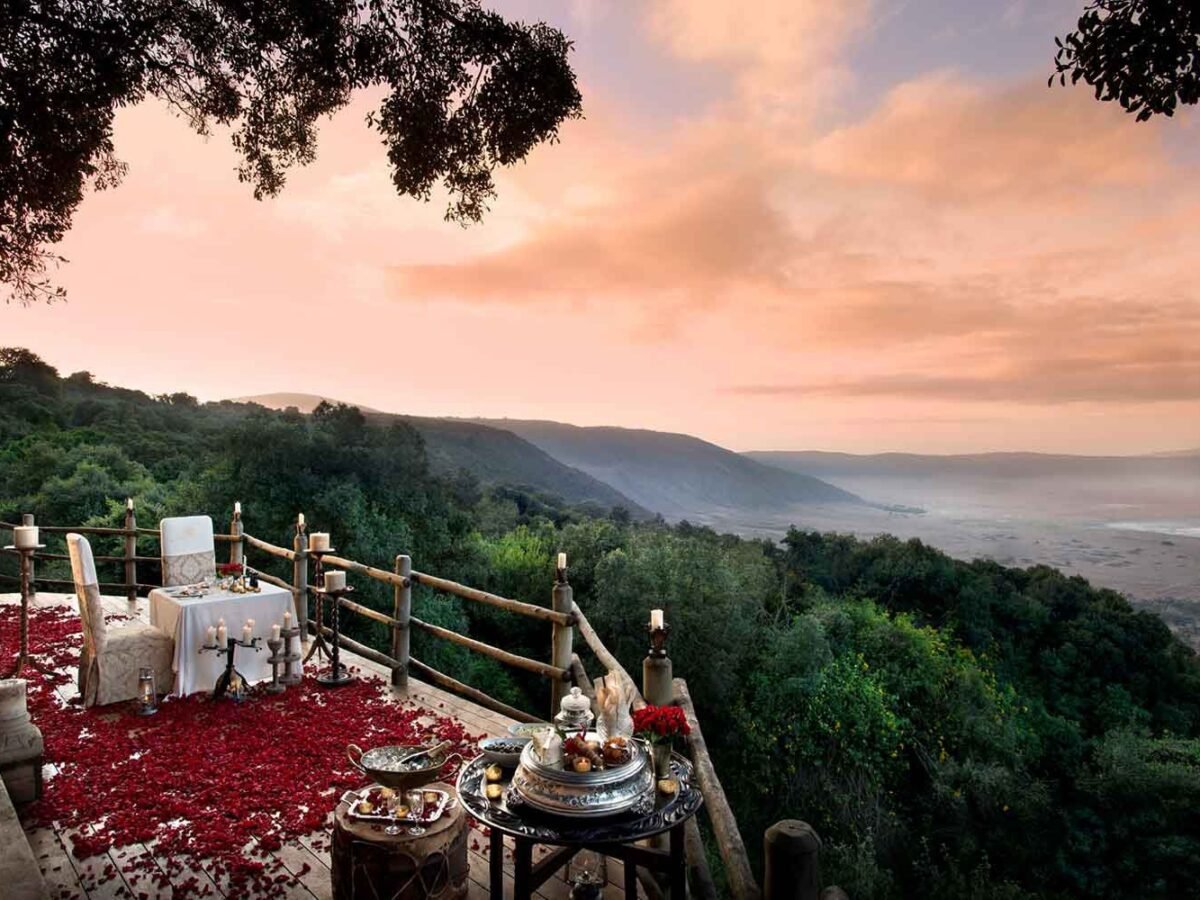
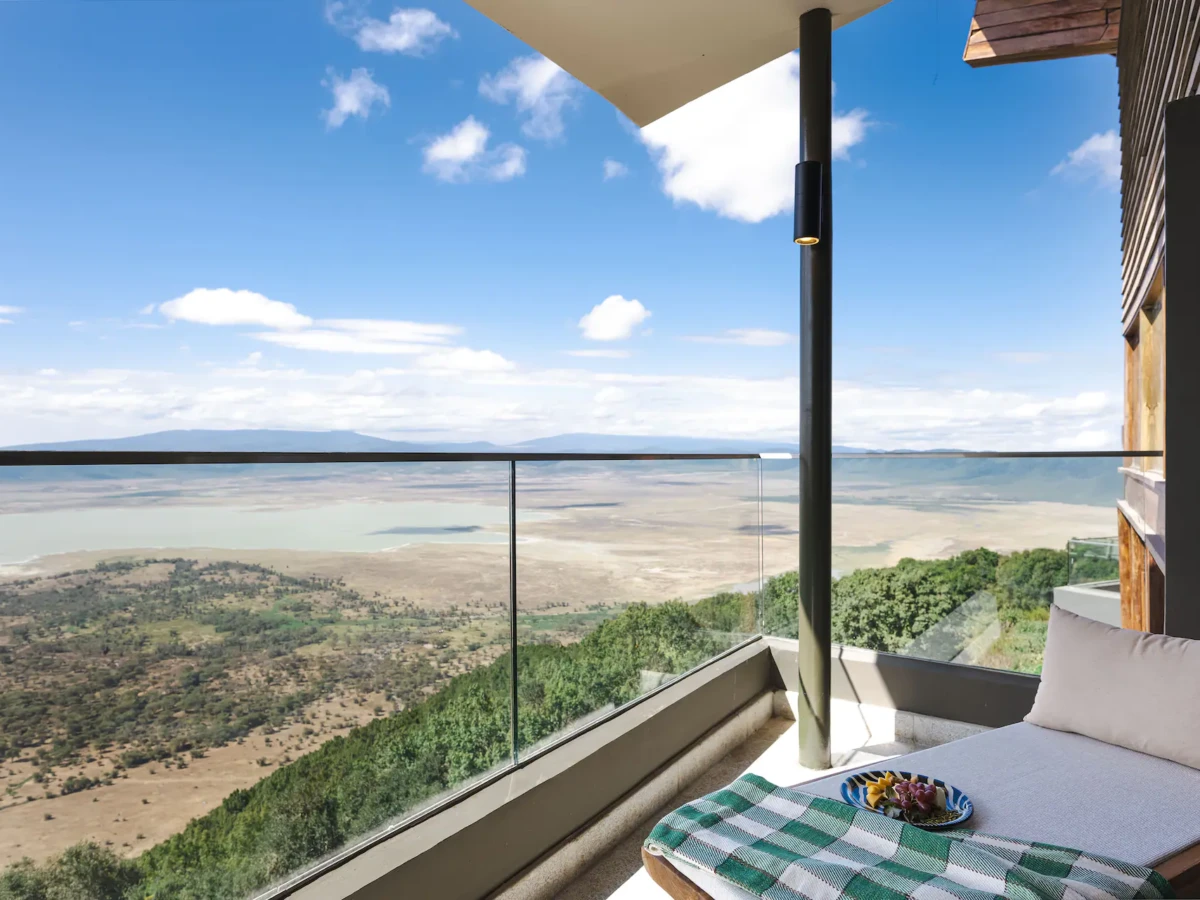
Ngorongoro Crater – Best place in Tanzania to see the Big 5 and incredible cliff-top lodges
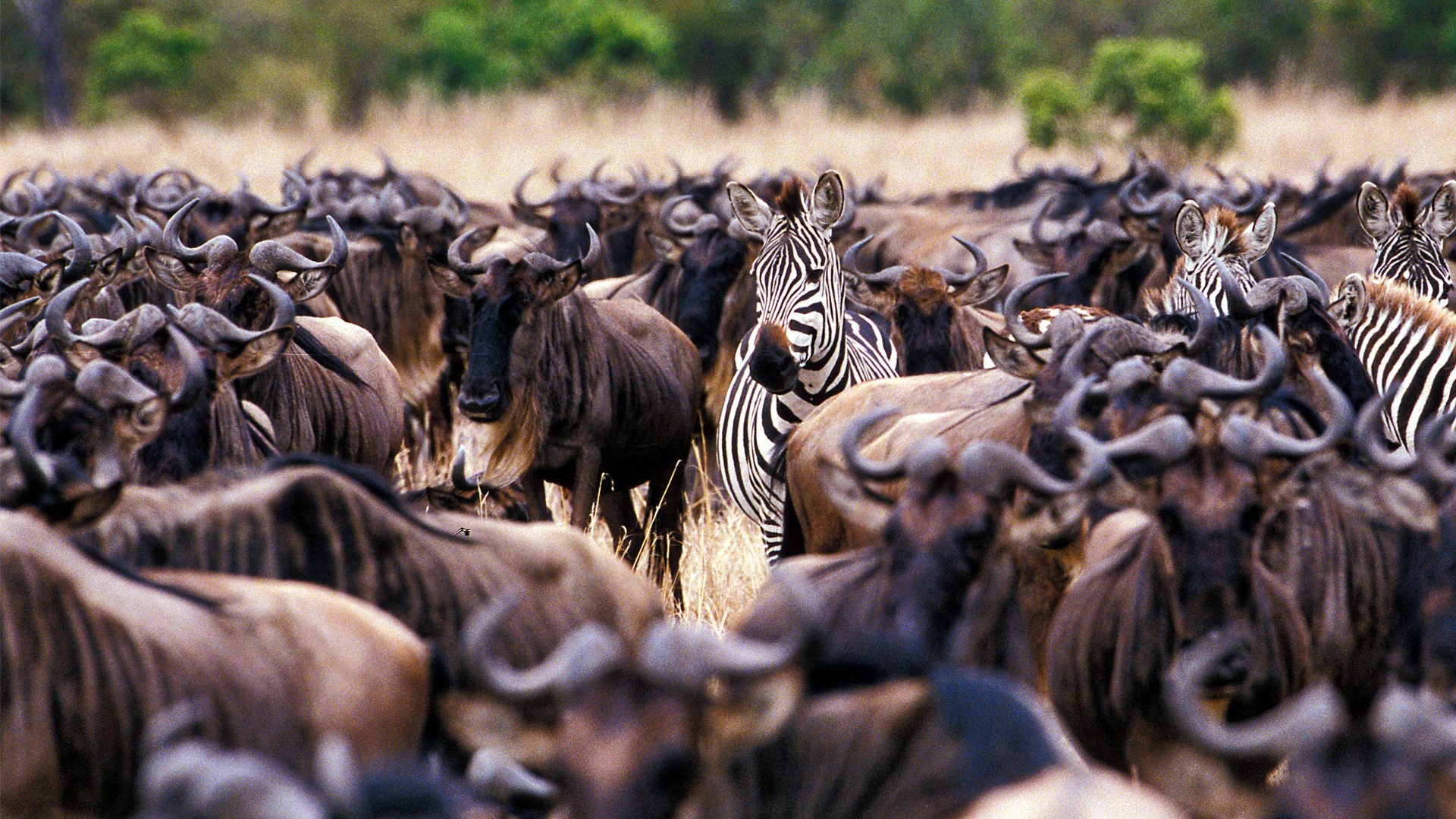
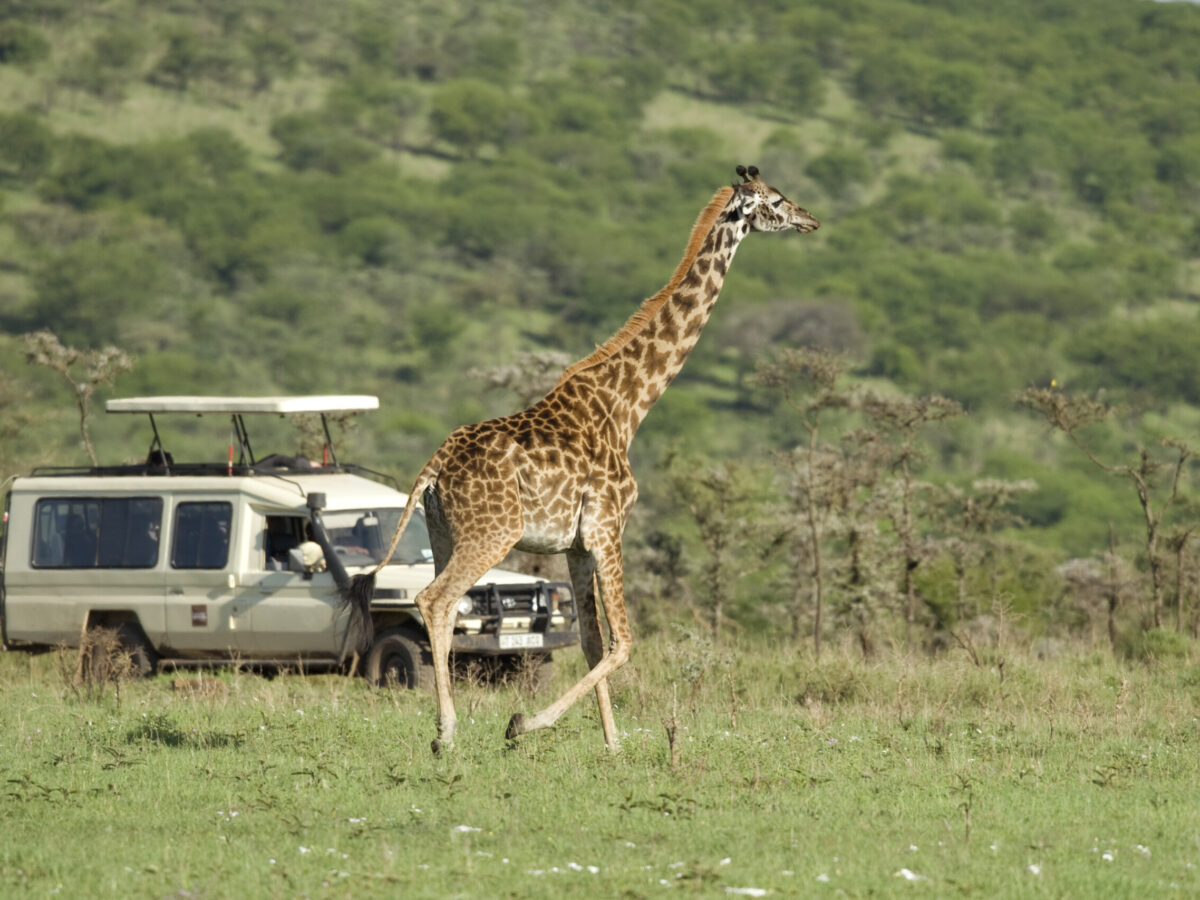
Serengeti National Park – Witness the Wildebeest Migration and high density of big game like elephant, buffalo, lion, leopard and giraffe
Lake Manyara National Park – Boat safaris, excellent bird watching, especially flamingos, spot tree-climbing lions
Tarangire National Park – See huge numbers of elephant, buffalo and giraffe (June to October), fantastic bird watching – over 550 species
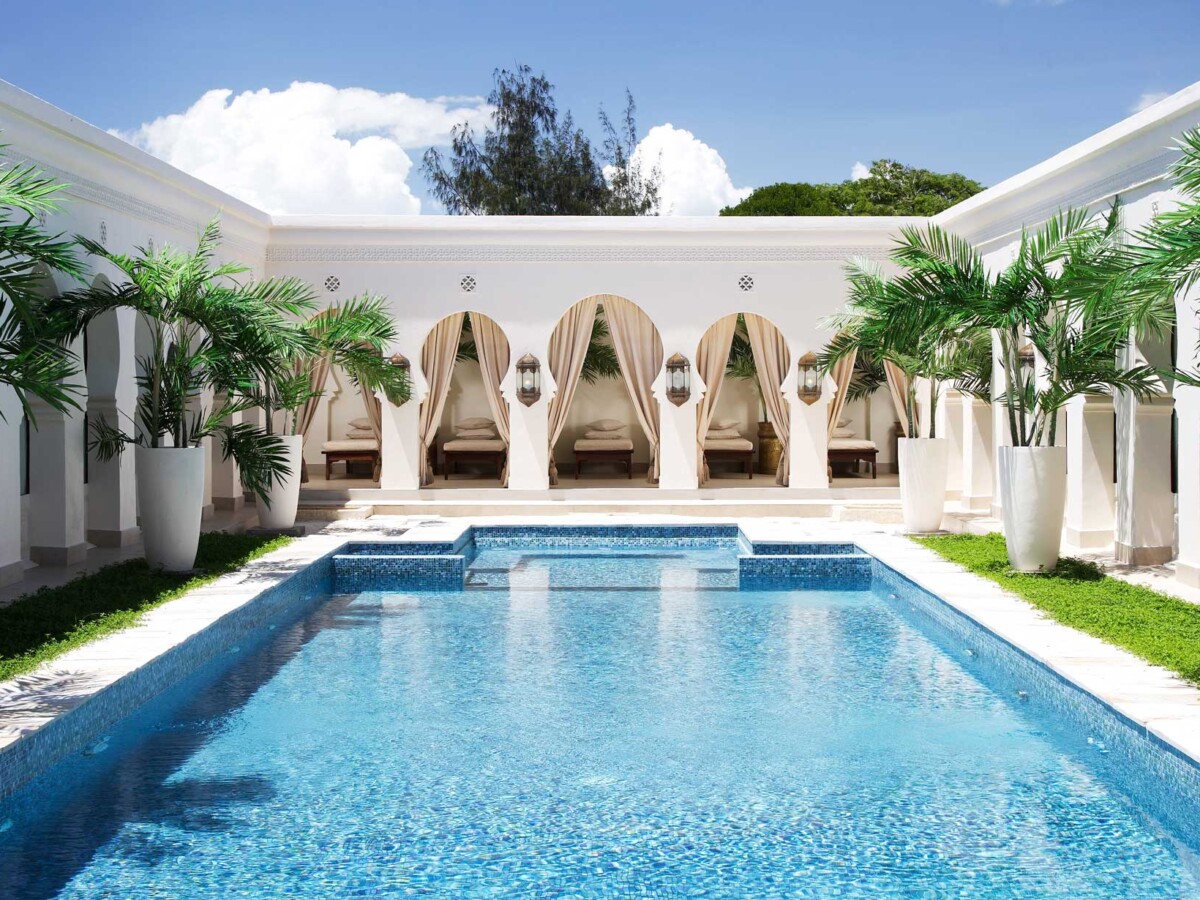
Zanzibar – One of the world’s most romantic honeymoon and best beach holiday destinations in East Africa
Mnemba Island – A private island holiday paradise
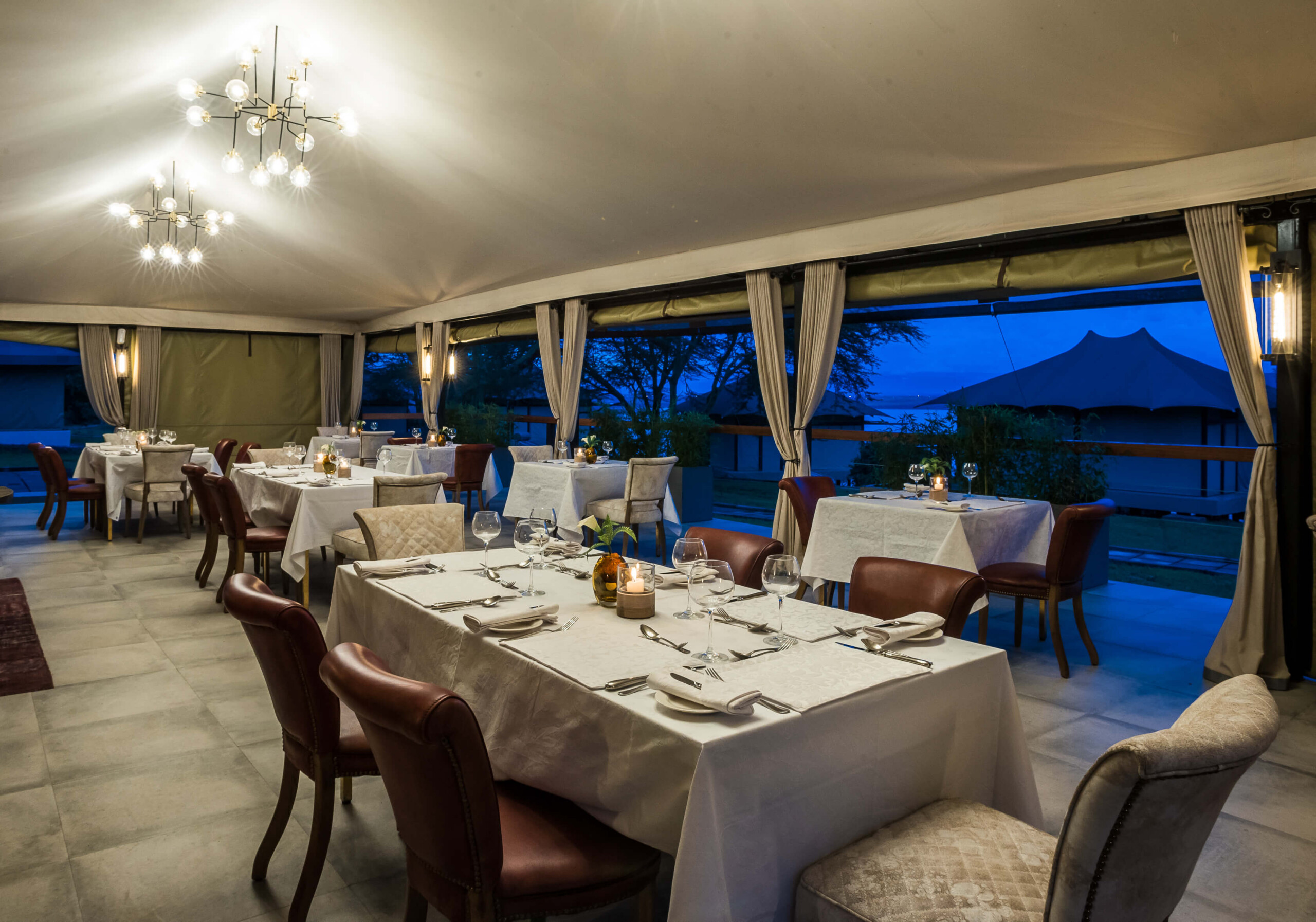
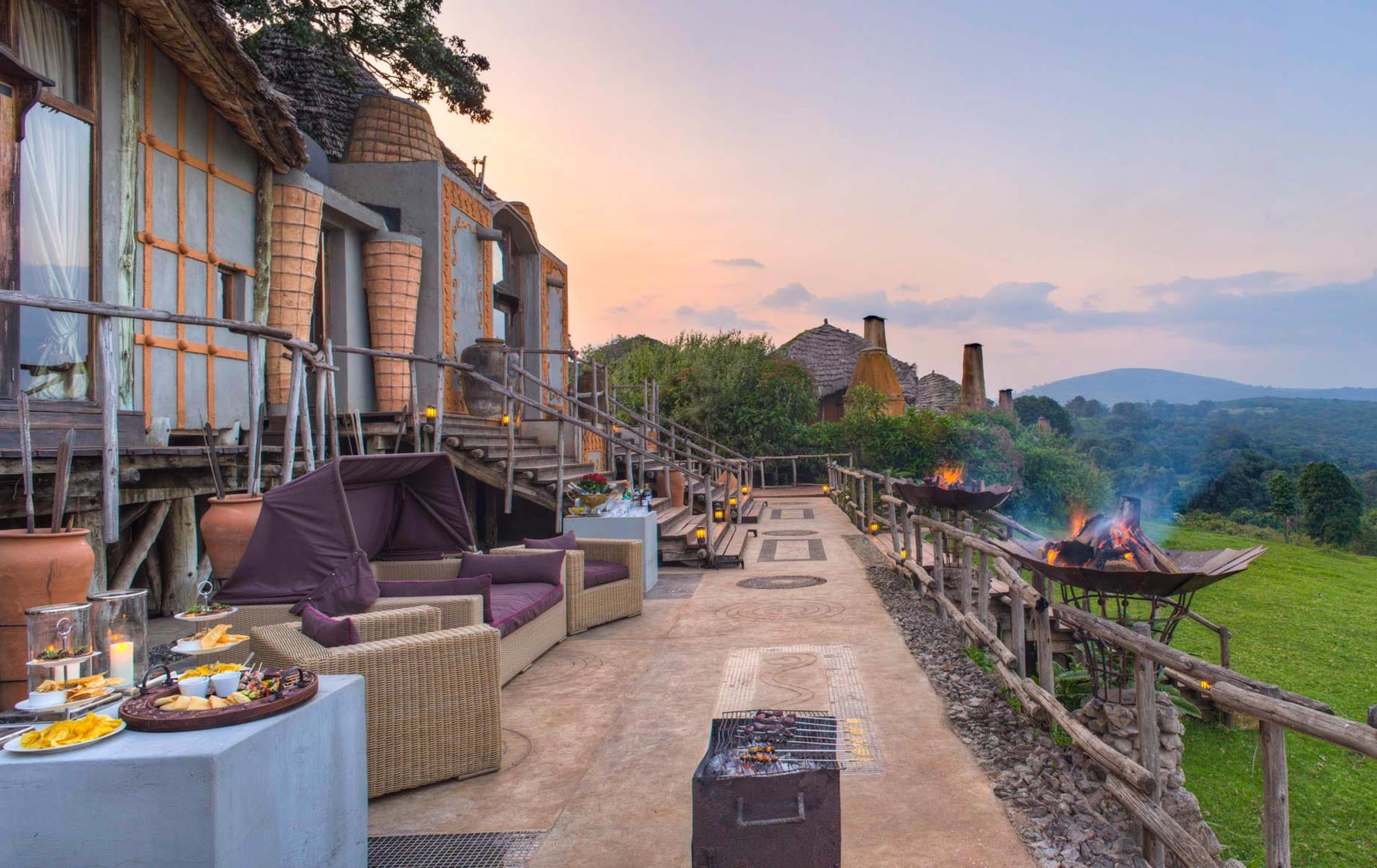
TANZANIA SAFARI CAMPS AND LODGES
LUXURY TANZANIA SAFARIS
The time of year you travel.
The level of comfort you prefer at accommodations.
Whether you drive or fly between destinations.
We shall tailor-make your safari itineraries to match your unique travel wishes, style and budget.
Seasons and Best Time for Tanzania Safari
Tanzania offers a year-round safari experience, but the best time to visit depends on your interests, from wildlife viewing to cultural explorations and beach escapes.

Dry Season (June – October) – Peak Safari Season
This short rainy season transforms Tanzania’s landscape into lush, vibrant green, creating a picturesque setting for safaris. The rainfall also brings excellent birdwatching opportunities, and you’ll experience fewer crowds and better rates for accommodations.
-
Ideal for: Repeat safari travelers, birdwatching enthusiasts, and those seeking quieter, more budget-friendly experiences.
-
Highlights: Fewer tourists, birdwatching, lush landscapes, and opportunities to combine a safari with a beach holiday on Zanzibar.

Green Season (November – Mid December)
This short rainy season transforms Tanzania’s landscape into lush, vibrant green, creating a picturesque setting for safaris. The rainfall also brings excellent birdwatching opportunities, and you’ll experience fewer crowds and better rates for accommodations.
-
Ideal for: Repeat safari travelers, birdwatching enthusiasts, and those seeking quieter, more budget-friendly experiences.
-
Highlights: Fewer tourists, birdwatching, lush landscapes, and opportunities to combine a safari with a beach holiday on Zanzibar.

Low Season (March – May)
The long rains mark the low season in Tanzania, but this period also offers the chance to explore in peaceful solitude. The landscapes are lush and green, making for incredible photography opportunities. Many camps and lodges offer special rates, and you’ll encounter fewer crowds, though some camps may close for maintenance.
-
Ideal for: Experienced safari travelers, photographers, and those seeking privacy and good value.
-
Highlights: Lower rates, lush landscapes, fewer tourists, and exceptional value for safari and accommodation.
Shoulder Season (January – February)
With warm, dry conditions and fewer crowds, this is an excellent time to visit Tanzania for game viewing, especially as many animals give birth in the Serengeti, leading to higher predator activity.
-
Ideal for: Wildlife enthusiasts, couples, and families seeking a quieter, less-crowded safari experience.
-
Highlights: Ideal for wildlife viewing, calving season, excellent visibility, and mild weather on the coast.