
Discover the best time to go on an African safari, with a month-by-month guide to Kenya, Tanzania, Botswana, South Africa, Rwanda, Zambia and Namibia.
Best Time to Go on an African Safari: Month-by-Month Guide
The best time to go on an African safari depends on where you want to travel, the wildlife you hope to see and the type of experience you prefer.
Africa is a vast continent with different climates, landscapes and wildlife seasons. July may be ideal for watching elephants gather around waterholes in Botswana, while February is particularly rewarding for the wildebeest-calving season in southern Tanzania. September can offer classic dry-season game viewing in Kenya, Zambia and Zimbabwe, while November introduces green landscapes, newborn animals and migratory birds across parts of Southern Africa.
There is no single month that is best for every destination. Wilderness similarly advises that the changing seasons create different wildlife experiences and that the right time ultimately depends on what the traveller wants to see.
At Luxe Travel Managers, we design tailor-made luxury African safaris around seasonal conditions, wildlife movements, accommodation availability and each guest’s preferred travel style. This guide explains the best time to go on an African safari by month, destination and experience.
Travellers planning their first journey may also wish to read our African Safari Complete Planning Guide and our comparison of the Best African Safaris.
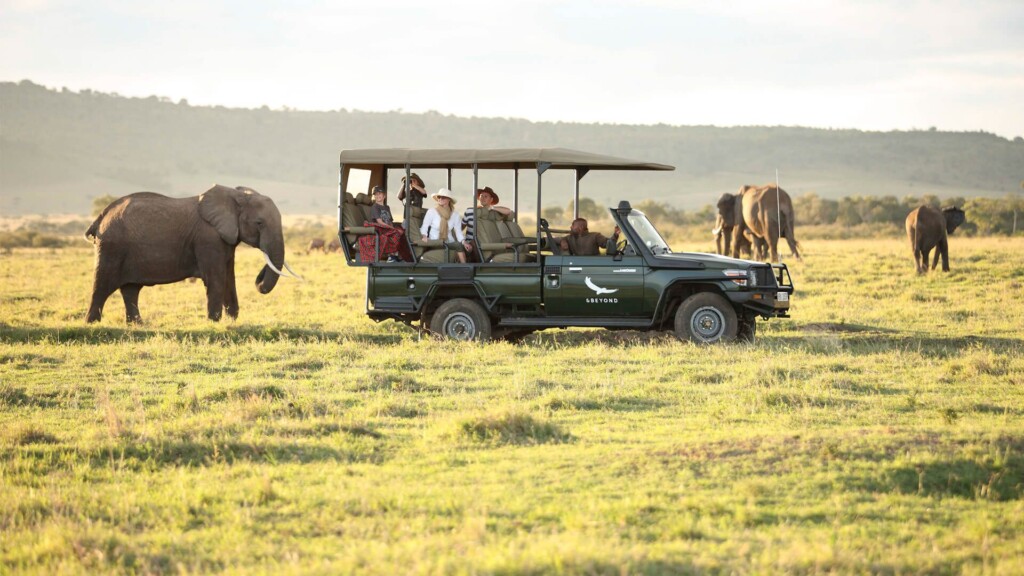
The best time to go on an African safari depends on the destination, wildlife season and experiences you want to include.
When Is the Best Time to Go on an African Safari?
For classic wildlife viewing in many East and Southern African destinations, the dry months between approximately June and October are particularly popular.
During drier periods, vegetation often becomes less dense and animals may gather closer to permanent rivers, waterholes and wetlands. Conditions can make wildlife easier to observe, although popular reserves and lodges may also be busier and more expensive.
The best time to go on an African safari is not always peak dry season. Green-season travel can provide lush scenery, fewer visitors, attractive lodge offers, rich birdlife and newborn animals.
Botswana Tourism describes the country as a year-round destination, with the green season bringing rain, fresh vegetation, newborn plains game and increased predator activity.
Your ideal season will depend on whether your priorities are:
- The Great Migration
- Big Five wildlife
- Gorilla trekking
- Walking safaris
- Birdwatching
- Wildlife photography
- Family travel
- A honeymoon safari
- Fewer crowds
- Lower seasonal rates
- A safari-and-beach combination
African Safari Seasons Explained
Dry Season Safari
Across much of Southern Africa, the main dry safari season generally falls between May or June and October.
A dry-season safari may offer:
- More concentrated wildlife near water
- Shorter grass and more open visibility
- Comfortable daytime conditions
- Fewer mosquitoes in some regions
- Excellent walking and vehicle safaris
- Easier road access in remote areas
South African Tourism identifies May to October as an especially rewarding period for wildlife safaris because drier conditions reduce vegetation and encourage animals to gather around waterholes.
The dry season is also the most popular period in many destinations. Premium camps, family villas, private guides and migration-area accommodation can sell out well in advance.
Green Season Safari
Green season usually coincides with the warmer rainy months. In Southern Africa, this commonly falls between November and March, although exact patterns differ by region.
Green-season advantages can include:
- Lush landscapes
- Dramatic clouds and sunsets
- Excellent birdwatching
- Newborn animals
- Fewer safari vehicles
- Lower seasonal prices
- Greater lodge availability
- Attractive stay-longer offers
- Vibrant photographic backgrounds
Rain is often experienced as afternoon or evening showers rather than continuous rainfall, although conditions vary and some remote camps close when roads become difficult to use.
For travellers who value exclusivity and atmosphere, green season can be the best time to go on an African safari.
Shoulder Season Safari
Shoulder seasons sit between peak dry months and the main rainy periods.
They can provide an excellent balance of:
- Strong wildlife viewing
- Fewer visitors
- More favourable rates
- Comfortable temperatures
- Greener scenery
- Better accommodation availability
The exact shoulder-season months depend on the destination. May and June can be excellent in parts of Southern Africa, while January to March can provide rewarding resident wildlife viewing in Kenya.
Best Time to Go on an African Safari by Month
January: Green Landscapes and Beginning of the Calving Season
January is an excellent month for travellers who appreciate green scenery, warm weather and fewer vehicles.
In Tanzania, wildebeest herds are generally found across the southern Serengeti and Ndutu region as they prepare for the main calving period. Exact herd locations depend on rainfall and grazing conditions, so wildlife movements can never be guaranteed. The migration is a continuous, year-round cycle through the Serengeti–Mara ecosystem.
January can also be rewarding in:
- Kenya for resident wildlife and clear landscapes
- Botswana for green-season wildlife
- South Africa for summer scenery and birdlife
- Zimbabwe for newborn animals and migratory birds
- Rwanda and Uganda for primate trekking, with possible rainfall
Best for: Green-season photography, birdwatching, Tanzania migration safaris and travellers seeking fewer crowds.
February: Wildebeest Calving in Tanzania
February is often considered one of the most exciting months in the southern Serengeti.
Large numbers of wildebeest calves are born over a relatively concentrated period. The abundance of vulnerable young animals can also attract predators, creating dramatic wildlife encounters.
February is also a good month for:
- Luxury mobile camps in the southern Serengeti
- Resident wildlife in Kenya
- Green-season Botswana
- Birding in Zambia and Zimbabwe
- Romantic safari travel outside the busiest months
For migration-focused travellers, February may be the best time to go on an African safari in Tanzania.
Best for: Calving-season safaris, predator activity, photography and African honeymoon safaris.
March: Rich Wildlife and Fewer Visitors
March brings warm temperatures and increasingly green landscapes across East Africa.
The migration herds generally remain in the southern or central Serengeti before beginning to move as grazing conditions change. Tanzania’s official tourism platform confirms that the herds move north from the southern breeding grounds in search of new pasture.
March may offer:
- Fewer guests than peak dry season
- Attractive safari rates
- Strong birdlife
- Newborn animals
- Dramatic skies
- Relaxed lodge atmospheres
Rainfall becomes more likely toward the end of the month in parts of East Africa.
Best for: Value-conscious luxury travellers, photographers and quieter migration safaris.
April: Lush East Africa and the Start of Southern Africa’s Drying Season
April commonly falls within the longer rainy period in Kenya and Tanzania.
Some remote or seasonal camps may close, and road travel can become slower. However, the scenery can be exceptionally beautiful, with green plains, dramatic skies and far fewer safari vehicles.
In Southern Africa, April marks a transition away from the main summer rains. South Luangwa changes from its lush summer landscape toward the drier winter period that follows.
April may be the best time to go on an African safari for travellers who prioritise privacy and seasonal value over predictably dry weather.
Best for: Green landscapes, low-density safari experiences and seasonal offers.
May: Excellent Value and Changing Seasons
May is an appealing shoulder-season month in many destinations.
In Kenya and Tanzania, the rains may continue, but the landscapes are fresh and visitor numbers remain relatively low. In Botswana, Namibia, Zambia and South Africa, drier conditions begin to develop.
Namibia’s official tourism information identifies May to October as the strongest period for wildlife viewing.
May can provide:
- Good-value luxury lodge rates
- Comfortable travel conditions in Southern Africa
- Green photographic backgrounds
- Fewer visitors
- Increasing wildlife visibility around water sources
Best for: Shoulder-season luxury, Namibia, South Africa and travellers seeking strong value.
June: The Start of the Classic Dry Safari Season
June is one of the most versatile months for an African safari.
East Africa becomes drier, Southern Africa enters its winter season and Botswana’s Okavango floodwaters may begin transforming the Delta’s channels and floodplains.
Rwanda’s main dry season runs from June to mid-September, when paths and roads are generally easier to navigate.
June is excellent for:
- Kenya and Tanzania
- Botswana and the Okavango Delta
- South African private reserves
- Namibia
- Rwanda gorilla trekking
- Zambia and Zimbabwe
- Walking safaris
- Multi-country journeys
For broad destination choice and comfortable conditions, June is among the best times to go on an African safari.
Best for: Luxury fly-in safaris, gorilla trekking, walking safaris and multi-country travel.
July: Peak Wildlife Season Across Africa
July is one of Africa’s most sought-after safari months.
The dry season is established across much of East and Southern Africa. Wildlife visibility is strong, temperatures are generally comfortable and many seasonal camps are fully operational.
In Kenya, the Masai Mara may begin receiving migrating herds from the Serengeti ecosystem. The most commonly promoted migration-viewing period in the Mara is July to October, although the timing varies naturally each year.
July is excellent for:
- Kenya and Tanzania migration safaris
- Botswana’s Okavango Delta
- Namibia wildlife journeys
- South Africa’s Greater Kruger
- Zambia walking safaris
- Zimbabwe’s Hwange and Mana Pools
- Rwanda and Uganda gorilla trekking
July is often the best time to go on an African safari for families travelling during northern-hemisphere school holidays. Availability is limited, so early booking is essential.
Best for: Families, migration travel, Big Five safaris and first-time visitors.
August: Prime Dry-Season Wildlife Viewing
August is peak safari season in many of Africa’s most celebrated wildlife regions.
Conditions are dry across much of Kenya, Tanzania, Botswana, Namibia, Zambia, Zimbabwe and South Africa. Animals may gather around permanent water, and vegetation is often easier to see through.
In Kenya, August is highly sought after for the Masai Mara and wider safari circuits. &Beyond notes that this period brings strong wildlife reliability but also premium pricing and greater visitor numbers.
August is particularly suitable for:
- Great Migration journeys
- Family safaris
- Botswana fly-in safaris
- Zambia and Zimbabwe walking safaris
- Wildlife photography
- Safari-and-beach combinations
Travellers seeking exclusivity should consider private conservancies, concessions and camps with limited suite numbers.
Best for: Classic game viewing, Great Migration safaris, families and photographers.
September: Superb Wildlife and Excellent Safari Conditions
September combines excellent wildlife viewing with warmer temperatures across many destinations.
Migration herds may move between northern Tanzania and Kenya according to rainfall and grazing. &Beyond notes that the herds can shift north and south during September, reinforcing the importance of choosing accommodation based on current conditions rather than fixed assumptions.
September is excellent for:
- Kenya and Tanzania
- Botswana
- South Africa
- Namibia
- Zambia
- Zimbabwe
- Rwanda
- Safari-and-beach journeys
The month is also popular with couples because it falls outside many school-holiday periods while retaining strong dry-season conditions.
Best for: Couples, honeymooners, migration safaris, walking and private guided journeys.
October: Intense Wildlife Viewing and Warmer Days
October is the end of the main dry season in many Southern African safari regions.
Wildlife may be concentrated around remaining water, but temperatures can become high, particularly in Botswana, Zambia and Zimbabwe.
Zambia Tourism identifies July to October as the classic guided-safari season, while Zimbabwe Tourism states that June to October provides particularly strong wildlife viewing in Mana Pools.
In Kenya and Tanzania, migration activity may continue, although the herds’ location depends on rainfall.
October may be the best time to go on an African safari for experienced travellers comfortable with warm conditions and interested in concentrated wildlife.
Best for: Predator sightings, walking safaris, elephants, experienced safari travellers and photographers.
November: The Green Season Begins
November introduces seasonal change across much of Africa.
Short rains may arrive in Kenya and Tanzania, while Southern Africa enters its summer green season. Wilderness defines the Southern African green season broadly as November to March.
Benefits of a November safari can include:
- Fresh green landscapes
- Migratory birds
- Fewer visitors
- Seasonal lodge offers
- Newborn animals
- Dramatic photography
- Warm weather
Some remote Zambia and Zimbabwe camps close when rains affect access, but Botswana, South Africa and selected Zimbabwe properties continue operating.
Best for: Green-season travel, birdwatching, value and low-density safaris.
December: Festive Travel and Green-Season Wildlife
December combines green landscapes with the festive travel period.
The first part of the month can offer good value and quieter camps, while Christmas and New Year are high-demand travel dates.
The southern Serengeti may begin attracting migrating herds as seasonal rains create fresh grazing. Botswana, Zimbabwe and South Africa offer green landscapes, abundant birdlife and young animals.
December is also ideal for safari-and-beach combinations in:
- Kenya and Diani
- Kenya and Lamu
- Tanzania and Zanzibar
- South Africa and Mauritius
- Rwanda and Seychelles
Best for: Festive family travel, safari-and-beach holidays, birding and romantic end-of-year journeys.
Best Time to Go on an African Safari by Destination
Best Time for a Kenya Safari
Kenya provides rewarding wildlife viewing throughout the year.
The most popular dry periods are generally:
- January to March
- June to October
July to October is associated with the Great Migration in the Masai Mara, although herd movements and river crossings depend on rainfall and cannot be guaranteed. Magical Kenya describes the migration as a year-round event across the Maasai Mara–Serengeti ecosystem.
December to March can provide excellent resident wildlife, clearer skies and fewer crowds than peak migration months.
The green months are ideal for:
- Birdlife
- Lush scenery
- Photography
- Fewer visitors
- Seasonal value
- Conservation-focused travel
Families can explore our Best Family Safari in Kenya, while travellers seeking high-end camps and private conservancies can read our guide to Luxury African Safaris.
Best Time for a Tanzania Safari
The best time to go on an African safari in Tanzania depends heavily on which stage of the Great Migration you hope to experience.
A general migration calendar is:
| Approximate period | Likely migration region |
|---|---|
| January–March | Southern Serengeti and Ndutu |
| April–May | Central and western movement |
| June–July | Western or northern Serengeti |
| August–October | Northern Serengeti and Mara ecosystem |
| November–December | Movement toward eastern and southern plains |
This pattern is approximate. Tanzania Tourism confirms that herds move north from the southern breeding grounds in search of pasture, but rainfall ultimately determines their route and timing.
June to October is also excellent for Tarangire, Ngorongoro and other wildlife regions.
January to March is particularly rewarding for:
- Calving season
- Predator activity
- Green landscapes
- Mobile migration camps
- Honeymoon safaris
Best Time for a Botswana Safari
Botswana is a year-round luxury safari destination.
May to October is the main dry and peak season. Wilderness identifies this period as generally the best time for Botswana wildlife viewing, with animals gathering around permanent water and the Okavango’s annual inundation supporting land- and water-based experiences.
November to March offers:
- Green landscapes
- Birdwatching
- Newborn animals
- Fewer visitors
- Seasonal offers
- Dramatic storms
- Predator activity
Botswana Tourism also emphasises the wildlife value of the rainy green season.
The best time to go on an African safari in Botswana depends on whether you prefer peak dry-season wildlife concentration or greener, quieter and better-value travel.
Best Time for a South Africa Safari
South Africa is a year-round destination because safari can be combined with Cape Town, the Winelands, beaches and scenic routes.
For the Greater Kruger region, May to October is particularly suitable for wildlife viewing. The dry weather reduces vegetation and encourages animals to gather around water sources.
November to March offers:
- Green landscapes
- Warm weather
- Young animals
- Excellent birdwatching
- Summer thunderstorms
- Cape Town beach weather
The best itinerary may combine dry-season safari with Cape Town during its cooler months, or summer safari with the Cape at its warmest.
Best Time for a Rwanda Safari
Gorilla trekking in Rwanda can be planned throughout the year.
The main dry season from June to mid-September usually provides easier trail and road conditions. Rwanda also experiences a shorter dry period around December and January. The principal rainy periods extend from mid-February to May and mid-September to mid-December.
Rainforest conditions can change quickly even during a drier month, and trekking duration depends on the location of the assigned gorilla family.
Permit revenue contributes to community and conservation projects, including the protection and expansion of gorilla habitat.
Best months for easier trekking conditions: June to September and parts of December to February.
Best months for fewer visitors: Wetter shoulder-season periods.
Best Time for a Uganda Safari
Uganda combines gorilla trekking, chimpanzee tracking, boat safaris and traditional game viewing.
Gorilla trekking takes place in Bwindi Impenetrable National Park and Mgahinga Gorilla National Park. Treks can last between two and seven hours, depending on conditions and the gorilla group’s location.
Drier periods usually provide easier trekking and road conditions, while wetter months bring greener forests and may provide more availability.
Uganda is ideal for travellers seeking a longer primate and wildlife journey rather than a single safari region.
Best Time for a Zambia Safari
July to October is the classic period for a guided Zambia safari. Drier conditions improve access and wildlife visibility, although October can be very hot.
South Luangwa’s landscapes change from dry winter bush between approximately April and October to a green summer environment from November to March.
The green or emerald season is appealing for:
- Birding
- Young animals
- Boating in selected areas
- Dramatic landscapes
- Lower rates
- Fewer visitors
Some camps close during the wet season, so the route must be selected carefully.
Best Time for a Zimbabwe Safari
June to October is ideal for dry-season wildlife viewing in Mana Pools, where animals gather closer to the Zambezi River.
Hwange is particularly known for elephant concentrations around waterholes during the dry season.
From late November through April, the landscape becomes lush, newborn animals appear and birdlife becomes particularly rich.
Zimbabwe is especially rewarding for walking safaris, photography, canoeing and combinations with Victoria Falls.
Best Time for a Namibia Safari
Namibia can be visited throughout the year, but wildlife viewing is strongest during the dry season from May to October.
This period is ideal for:
- Etosha wildlife viewing
- Desert landscapes
- Fly-in safaris
- Damaraland
- The Skeleton Coast
- Scenic photography
Night-time temperatures can become cold during winter, particularly in desert areas, so warm layers are essential.
Namibia experiences extensive sunshine and a predominantly arid climate, making it well suited to landscape-focused journeys.
Best Time to See the Great Migration
The Great Migration is not a single event or one fixed river crossing. It is a continuous movement of wildebeest, zebra and other grazing animals through the Serengeti–Mara ecosystem.
The best period depends on what you hope to see:
- January to March: Southern Serengeti calving
- April to May: Herd movement through central regions
- June and July: Western and northern movement
- July to October: Northern Serengeti and Masai Mara
- November and December: Return toward the southern plains
River crossings are unpredictable. A herd may remain near a river for several days before crossing or may change direction entirely.
A migration-focused safari should include several nights in the most seasonally appropriate region rather than attempting to guarantee one specific sighting.
Best Time for an African Family Safari
The best time to go on an African safari with children often depends on school holidays, temperatures, flight availability and the family’s preferred pace.
July and August are popular because:
- Conditions are dry in many destinations
- Wildlife viewing is reliable
- Most seasonal camps are open
- Families can travel during school holidays
December is also popular for family safaris and beach combinations, but festive availability is limited.
For families travelling outside school holidays, June, September and October can provide excellent conditions with fewer family groups.
Kenya and South Africa offer extensive family-friendly accommodation, private vehicles and exclusive-use villas.
Read more in our guide to the Best Family Safari in Kenya.
Best Time for an African Honeymoon Safari
Couples often prefer months that balance strong wildlife viewing with privacy.
Excellent honeymoon periods include:
- January and February for Tanzania calving season
- June for quieter dry-season travel
- September for wildlife and warm weather
- November for green-season romance
- Early December before festive demand
Kenya and Tanzania combine easily with Zanzibar, Diani or Lamu. Botswana offers exceptional seclusion, while Namibia provides dramatic landscapes and remote lodges.
Our guide to the Best African Safaris for Couples includes romantic destinations, private camps and honeymoon experiences.
Best Time for Wildlife Photography
There is no single best season for photography.
Dry-season advantages include:
- Easier wildlife visibility
- Animals gathering near water
- Dusty atmospheric light
- Strong predator activity
- Predictable access
Green-season advantages include:
- Rich colour
- Dramatic skies
- Migratory birds
- Newborn animals
- Fewer vehicles
- Softer photographic backgrounds
Serious photographers may prefer a private vehicle, specialist guide and longer stays in fewer camps.
Best Time for Birdwatching Safaris
The wet and green seasons are generally strongest for birdwatching.
Migratory species arrive, many resident birds display breeding plumage and the landscapes provide rich habitat.
Particularly rewarding birding periods include:
- November to March in Southern Africa
- Green-season Botswana
- Zambia’s emerald season
- Rainy-season Zimbabwe
- Kenya and Tanzania’s greener months
- Rwanda and Uganda throughout the year
Birding safaris often provide lower seasonal rates and fewer safari vehicles.
Best Time for an African Safari and Beach Holiday
The best combination depends on both safari conditions and coastal weather.
Popular seasonal combinations include:
Kenya and Diani or Lamu
Excellent during January to March and July to October.
Tanzania and Zanzibar
Popular from June to October and during January and February.
Tanzania Tourism promotes combining Serengeti and Ngorongoro wildlife experiences with Zanzibar, Pemba and Mafia Island.
South Africa and Mauritius
Excellent for varied itineraries combining private reserves, Cape Town and the Indian Ocean.
Botswana and Mozambique
Particularly rewarding during the Southern African dry season.
Explore our African Safari and Beach Holidays for more itinerary ideas.
Cheapest Time to Go on an African Safari
The lowest safari rates are usually available during green or shoulder seasons rather than peak dry months.
Potential value periods include:
- April and May in Kenya and Tanzania
- November in many safari regions
- January to March in parts of Southern Africa
- Selected weeks outside school holidays
- Early December before Christmas
- Shoulder months such as May and June
Lower seasonal prices do not necessarily mean a lower-quality experience. Guests may stay at the same luxury lodges, receive the same level of service and enjoy more private wildlife sightings.
Some roads or camps may be unavailable during heavy rains, so a green-season itinerary must be designed carefully.
Read our African Safari Cost Guide for a detailed explanation of safari pricing, seasons and inclusions.
How Far in Advance Should You Book?
For travel between July and October, planning nine to eighteen months in advance is advisable, particularly for:
- Great Migration camps
- Family villas
- Private guides
- Exclusive-use lodges
- Small luxury camps
- Gorilla permits
- Christmas and New Year travel
- Premium beach resorts
Green-season journeys may provide greater flexibility, although the most exclusive properties can still sell out.
The best time to go on an African safari should therefore be considered alongside how early you are able to confirm your plans.
Why Book with Luxe Travel Managers?
Luxe Travel Managers is a Kenya-based luxury travel company specialising in private, tailor-made African safaris and holidays.
Our on-ground location allows us to monitor safari seasons, lodge availability, regional conditions and wildlife movements while working with trusted camps, guides and aviation partners.
We arrange:
- Tailor-made African safari itineraries
- Seasonal destination recommendations
- Handpicked luxury lodges and camps
- Private safari vehicles
- Expert guides
- Scheduled and private flights
- Luxury family safaris
- African honeymoon safaris
- Great Migration journeys
- Gorilla trekking safaris
- Green-season travel
- Safari-and-beach holidays
- Conservation and wellness experiences
- Personal support before and during travel
Rather than selecting dates from a general calendar, we determine the best time to go on an African safari based on your preferred destinations, wildlife interests, budget and travel style.
Begin Planning Your African Safari
So, when is the best time to go on an African safari?
For classic dry-season wildlife viewing, June to October is excellent across many destinations. For Tanzania’s calving season, consider January to March. For green scenery, birdlife and fewer visitors, travel between November and March in selected regions. For gorilla trekking with easier trail conditions, consider Rwanda’s June-to-mid-September dry season.
The right month is the one that best matches the experience you want.
Contact Luxe Travel Managers to begin planning a private African safari designed around the right destination, the right season and your individual travel preferences.
SEO FAQ Section
What is the best time to go on an African safari?
June to October is popular for dry-season wildlife viewing across many East and Southern African destinations. However, the best period depends on the country, wildlife and experience you want.
What is the best month for an African safari?
July, August and September offer excellent wildlife viewing in many countries. February is ideal for Tanzania’s calving season, while November can provide green landscapes and fewer visitors.
What is the best time to see the Great Migration?
The Great Migration occurs throughout the year. January to March is associated with calving in southern Tanzania, while July to October is commonly linked with northern Serengeti and Masai Mara wildlife viewing.
What is the best time for a Kenya safari?
January to March and June to October are excellent. July to October is particularly popular for the Great Migration in the Masai Mara.
What is the best time for a Tanzania safari?
June to October is strong for general wildlife viewing. January to March is ideal for the wildebeest calving season in southern Tanzania.
What is the best time for a Botswana safari?
May to October is the main dry and peak season. November to March is excellent for green landscapes, newborn animals, birds and seasonal value.
Is green season a good time for an African safari?
Yes. Green season offers lush scenery, birdlife, newborn animals, fewer visitors and attractive lodge rates. Some camps may close where rainfall affects access.
What is the best time for gorilla trekking in Rwanda?
Gorilla trekking is available throughout the year, but June to mid-September generally offers drier conditions and easier trails.
What is the cheapest time to go on an African safari?
Green and shoulder seasons are usually more affordable. Exact value months vary by country but often include April, May, November and selected periods from January to March.
What is the best time for a family safari in Africa?
July, August and December align with many school holidays. June, September and October can offer excellent conditions with fewer family travellers.