
CAPE TOWN
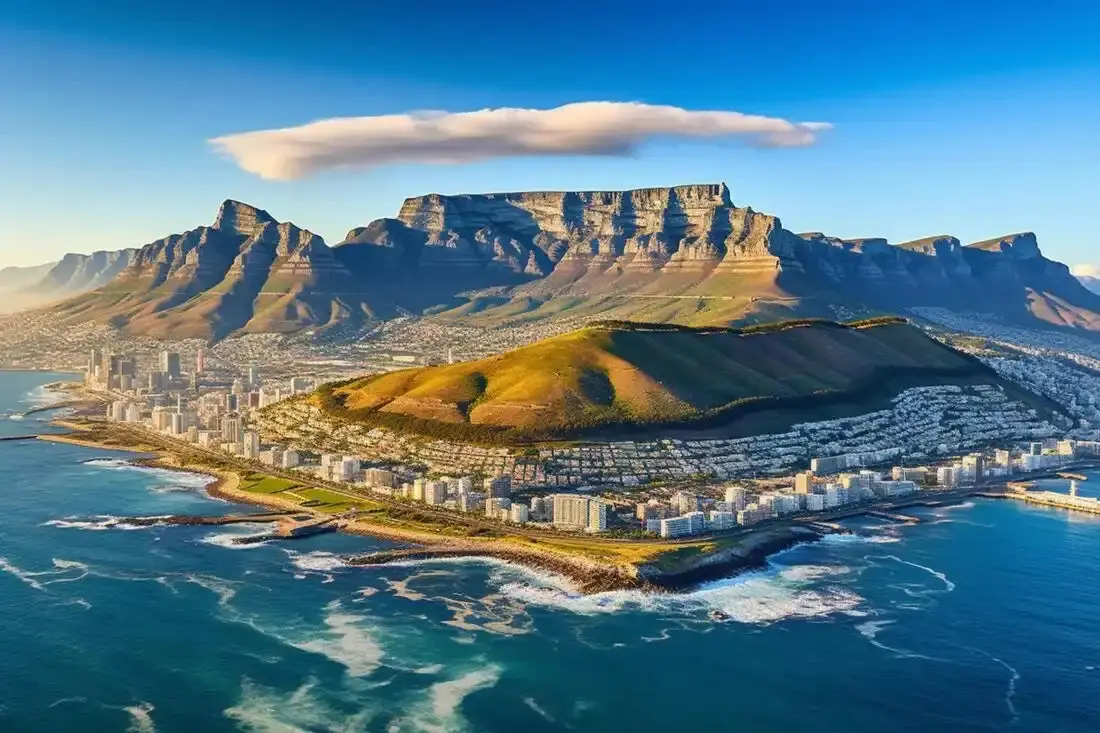
Cape Town is one of South Africa’s most beautiful and diverse holiday destinations, combining dramatic mountain scenery, beaches, world-class dining, culture and nearby wine country. Framed by Table Mountain and the Atlantic Ocean, the city offers a sophisticated mix of sightseeing, outdoor experiences and luxury escapes.
Popular attractions include Table Mountain, the V&A Waterfront, Camps Bay, Clifton, Bo-Kaap, Robben Island, Chapman’s Peak Drive and the Cape Peninsula, including Cape Point and the penguins at Boulders Beach. Travellers can also explore the nearby Cape Winelands, with Stellenbosch and Franschhoek offering wine tasting, gourmet dining and beautiful countryside.
During a Cape Town holiday, enjoy scenic helicopter flights, sunset cruises, beach days, hiking, fine dining, boutique shopping, wine experiences and coastal drives. The city works equally well for couples, honeymooners, families and luxury travellers, and can be combined with a South African safari or Winelands stay.
HIGHLIGHTS
Ride the cable car to the top of Table Mountain
Explore the lively V&A Waterfront
Relax on the beaches of Camps Bay and Clifton
Drive the spectacular Chapman’s Peak coastal route
Visit Cape Point and the Cape of Good Hope
See the African penguins at Boulders Beach
Discover the colourful streets of Bo-Kaap
Visit historic Robben Island
Enjoy a scenic helicopter flight over the city and coastline
Take a sunset cruise from the waterfront
Experience Cape Town’s acclaimed restaurants and food scene
Shop at local markets, boutiques and designer stores
Explore the Cape Winelands
Enjoy wine tasting in Stellenbosch and Franschhoek
Hike, cycle or enjoy other outdoor adventures
Stay in luxury hotels, boutique properties and private villas
Ideal for honeymoons, family holidays, romantic escapes and luxury city breaks
Easy to combine city, beach, wine, culture and nature in one holiday

LUXURY KENYA SAFARIS
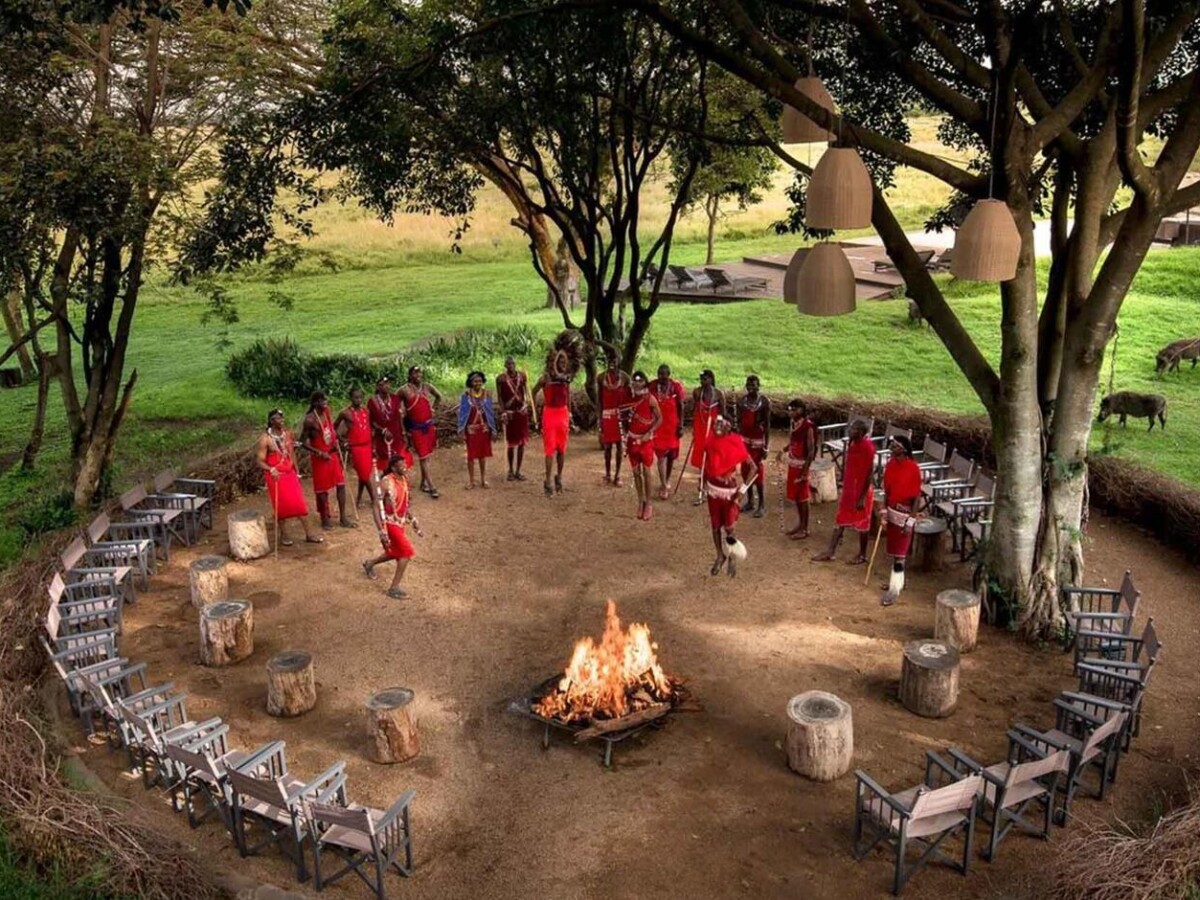
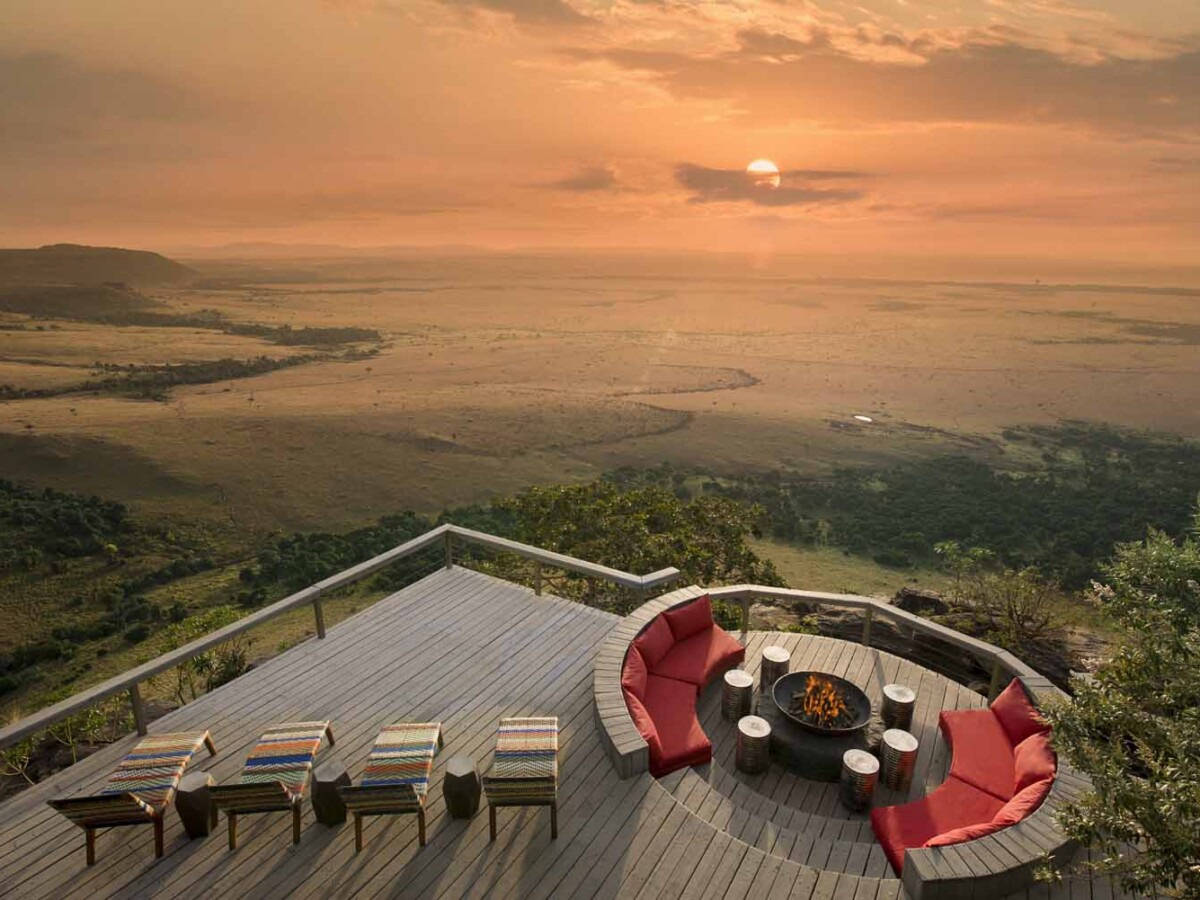
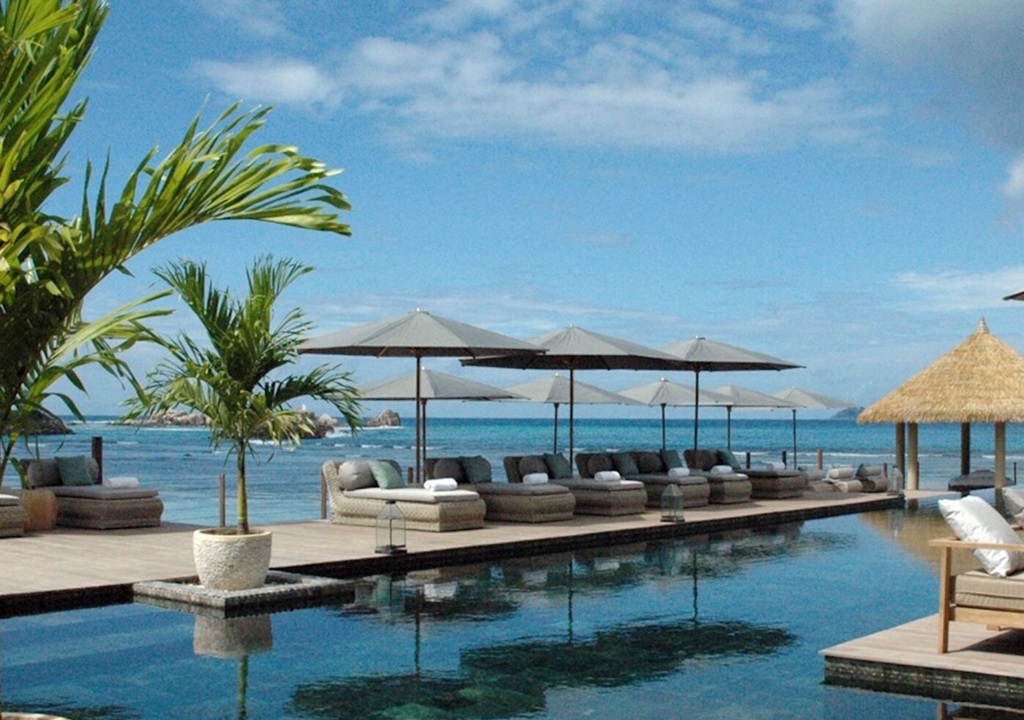
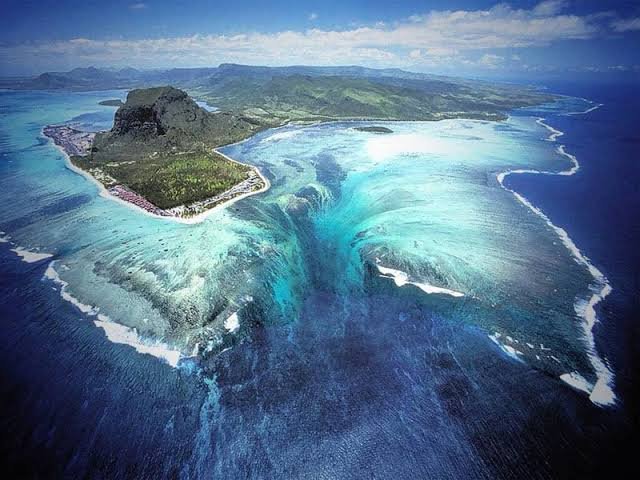
Seasonality & Best Time to Travel to Kenya
Kenya is a year-round safari destination, but each season offers distinct advantages. The country’s climate and wildlife patterns allow travelers to choose periods based on comfort, scenery, and animal activity.

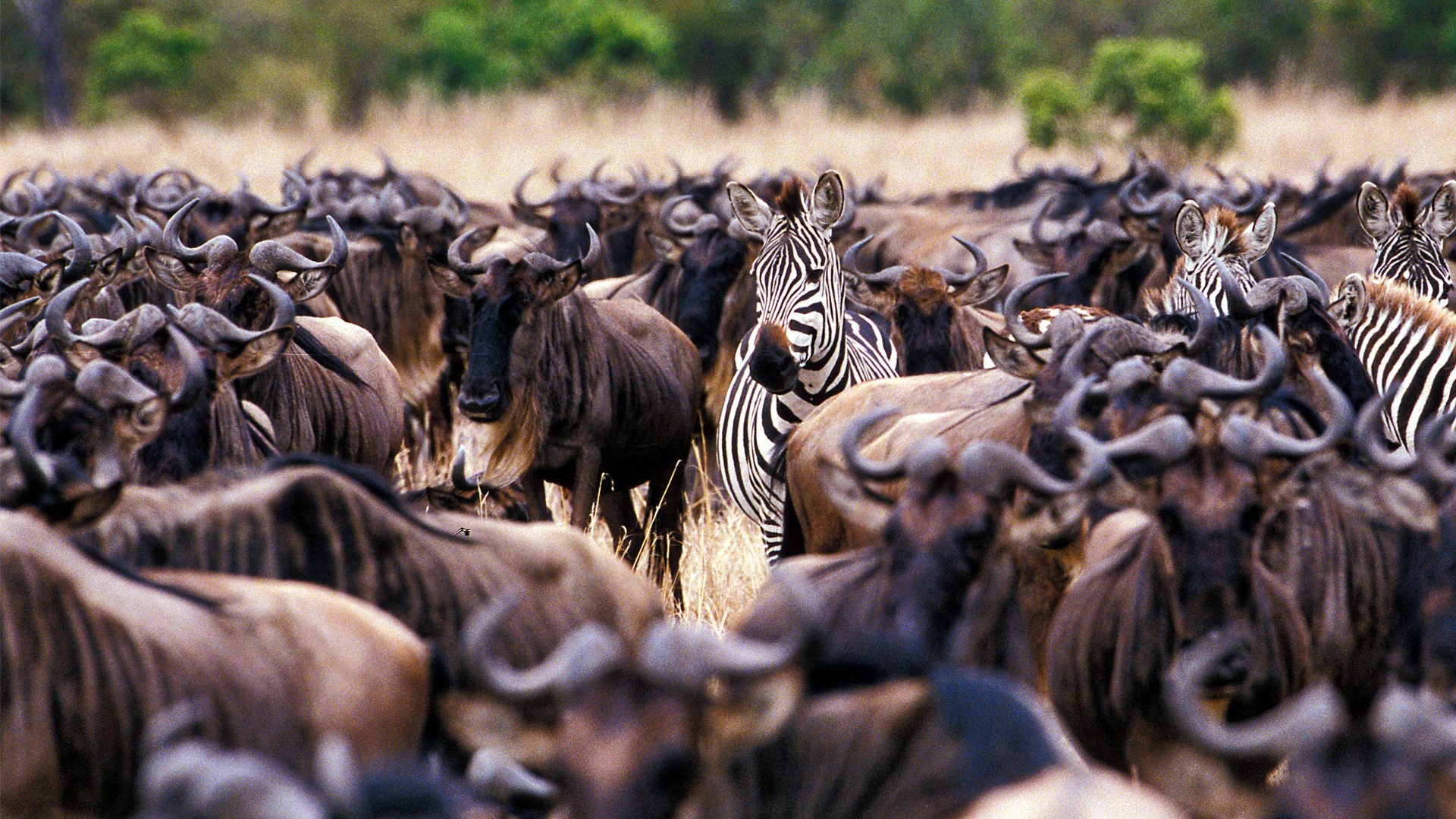
Peak season (July–October) for Wildebeest Migration & Prime Game Viewing
This is widely considered the prime safari season. Days are sunny and dry, with cooler mornings and evenings, particularly from June through August. Vegetation is thinner, making wildlife easier to spot as animals gather around rivers and water sources.
- Ideal for first-time or repeat safari travellers, photographers, and those wanting peak wildlife action and the once in a lifetime Mara river wildebeest crossing.
- Wildlife concentrated around the parks and waterholes is higher
- Best overall wildlife viewing

Green Season (November– Mid December)
Short afternoon showers refresh the landscape, transforming the plains into vibrant shades of green. Temperatures remain warm and visitor numbers are lower.
- Ideal for repeat safari guests, bird lovers, and travellers seeking value and fewer crowds.
- Lush landscapes, excellent birdwatching, fewer crowds
- Perfect for combining safari with beach escapes
- Better lodge availability and attractive rates

Low season - (March–May /June)
This period brings heavier rainfall, lush scenery, and a quieter safari experience. While some camps close temporarily, those that remain open offer exceptional value and exclusivity.
- Ideal for experienced safari travellers seeking privacy and exceptional value
- Lower rates, peaceful camps, abundant migratory birds
- Lush green landscapes
- Exceptional photography opportunities
- Fewer tourists
Shoulder season - (January – February)
Warm, mostly dry conditions return, with clear skies and excellent visibility. Wildlife viewing remains strong, and many areas experience calving season, which attracts increased predator activity.
- Ideal for Wildlife enthusiasts who prefer quieter travel months with strong game viewing.
- Excellent game viewing
- Calving season in many areas (predator activity increases)
- Ideal beach weather on the Kenyan coast and Zanizbar
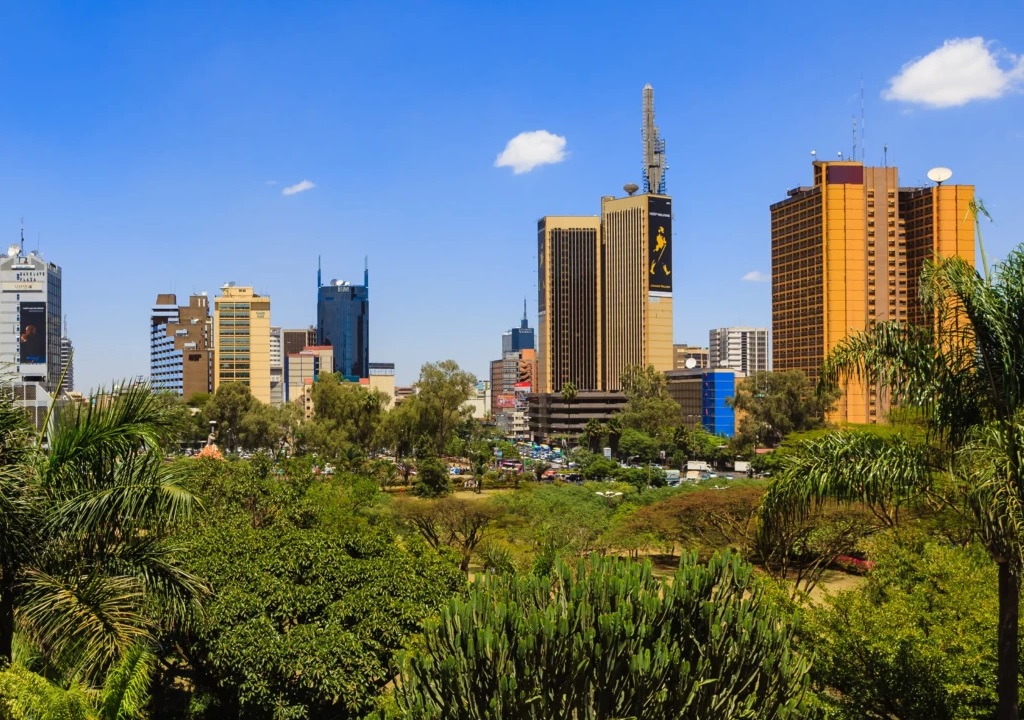
When to travel to Kenya
Peak Season — July to October
This is the dry season and when the Great Wildebeest Migration river crossings happens in the Masai Mara. It is also prime time for big five sightings. It is advisable to book your African Safari between 9–12 months in advance.
Festive Season (peak) — Mid December to early January
Warm, dry and excellent visibility. Newborn calving in southern parks; beach-and-bush combinations shine on the Swahili coast.
Green seasons — March to May & November to mid Decemeber
Lower rates, dramatic skies and superb birdlife.