
Botswana: Africa’s Premier Wilderness Safari Destination
Botswana is world-renowned for its untouched wilderness, abundant wildlife, and luxury safari experiences. From the sprawling floodplains of the Okavango Delta to the arid beauty of the Kalahari Desert, Botswana offers a safari adventure that is intimate, exclusive, and unforgettable.
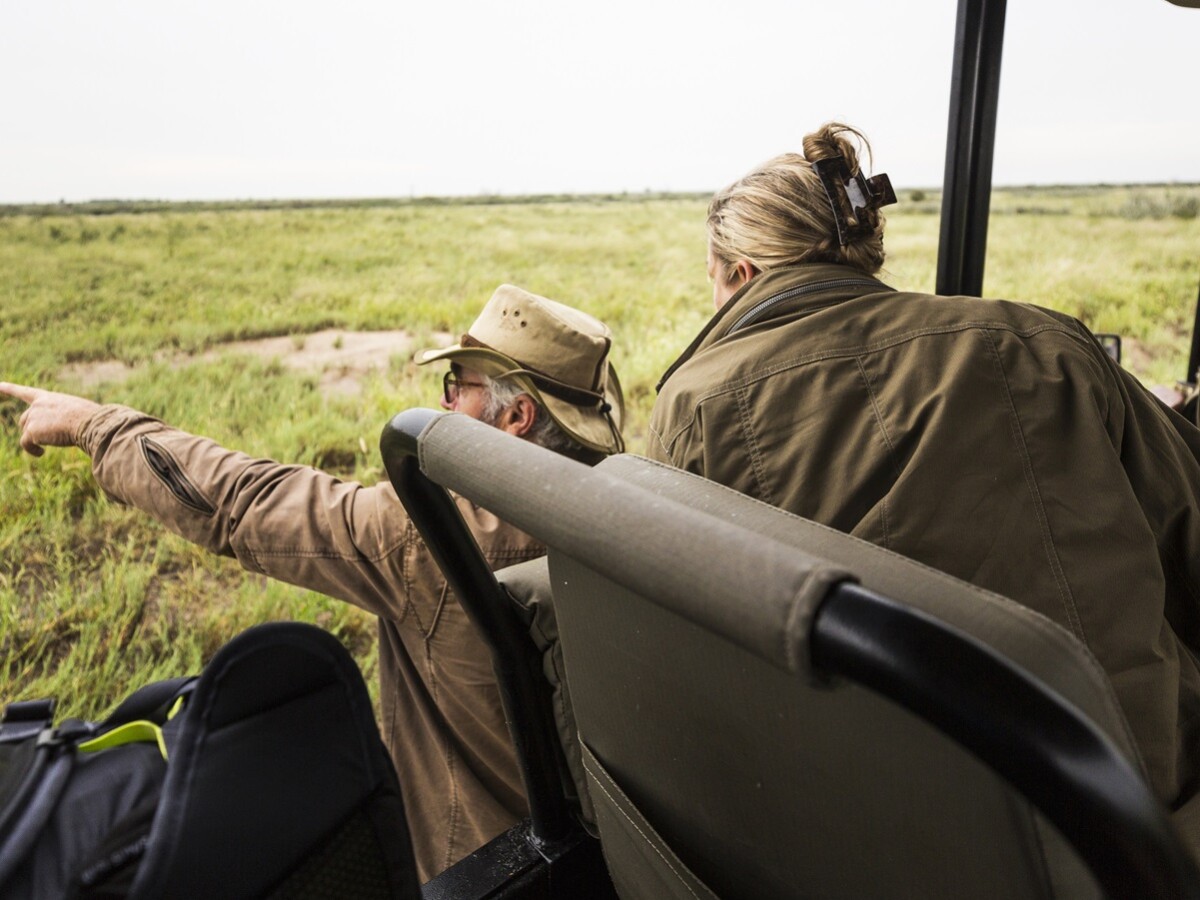
With expert-guided game drives, walking safaris, and private lodge experiences, Botswana is perfect for travelers seeking authentic African wildlife encounters, adventure, and luxury in remote settings.
Highlights
Explore the Okavango Delta, a UNESCO World Heritage Site and Africa’s largest inland delta
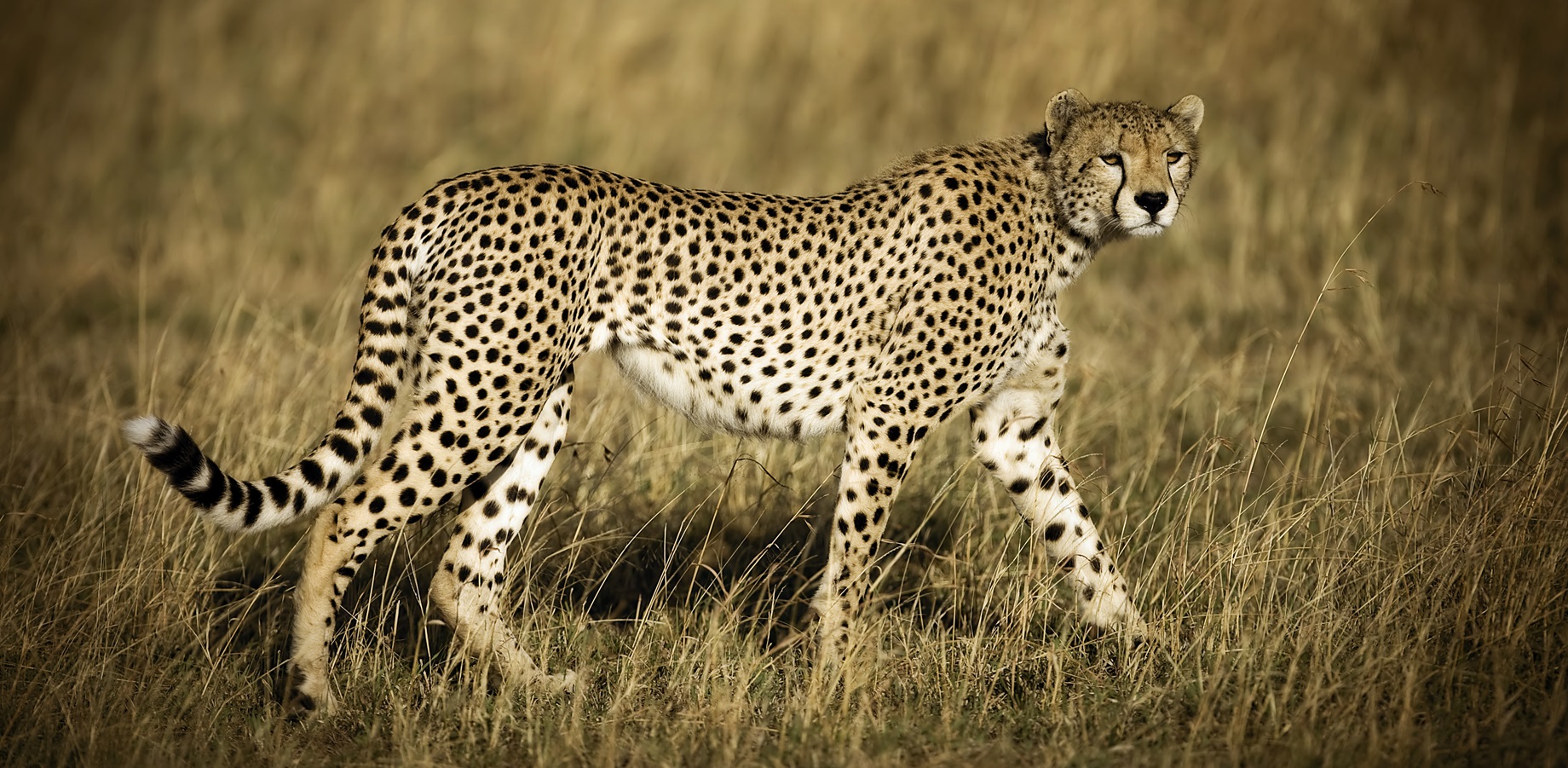
Track the Big Five across Chobe, Moremi, and Nxai Pan National Parks
Walking safaris with expert guides for intimate wildlife encounters
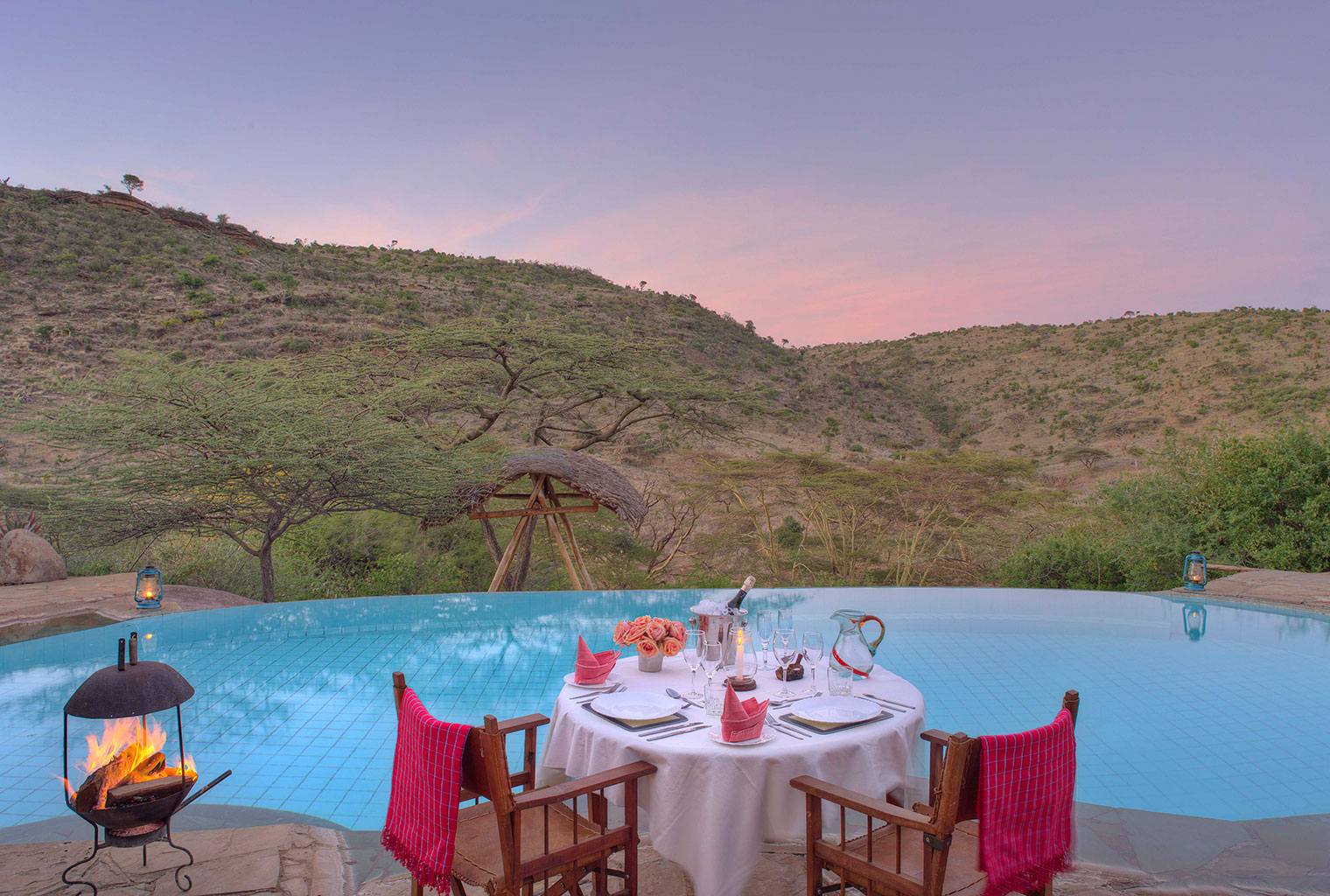
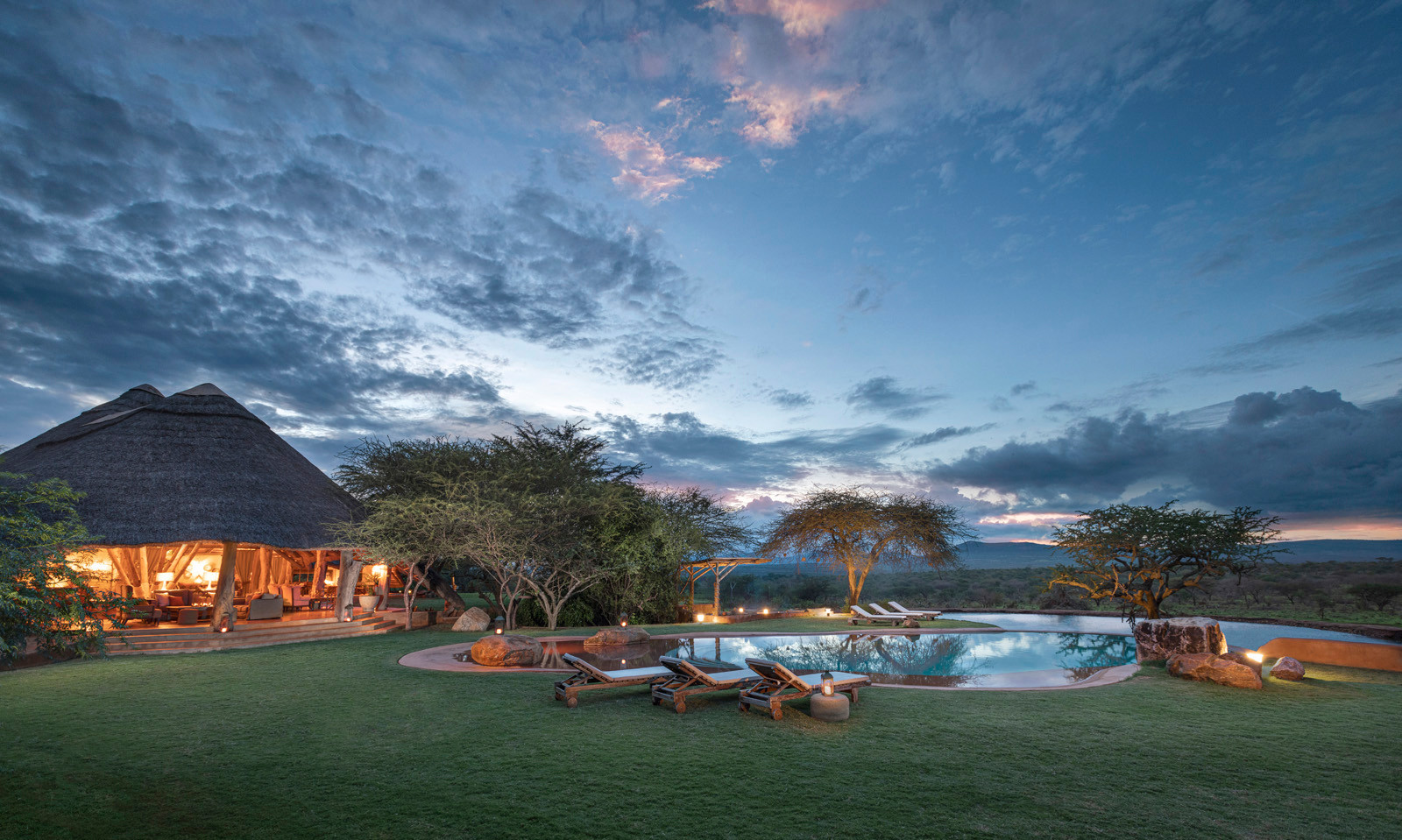
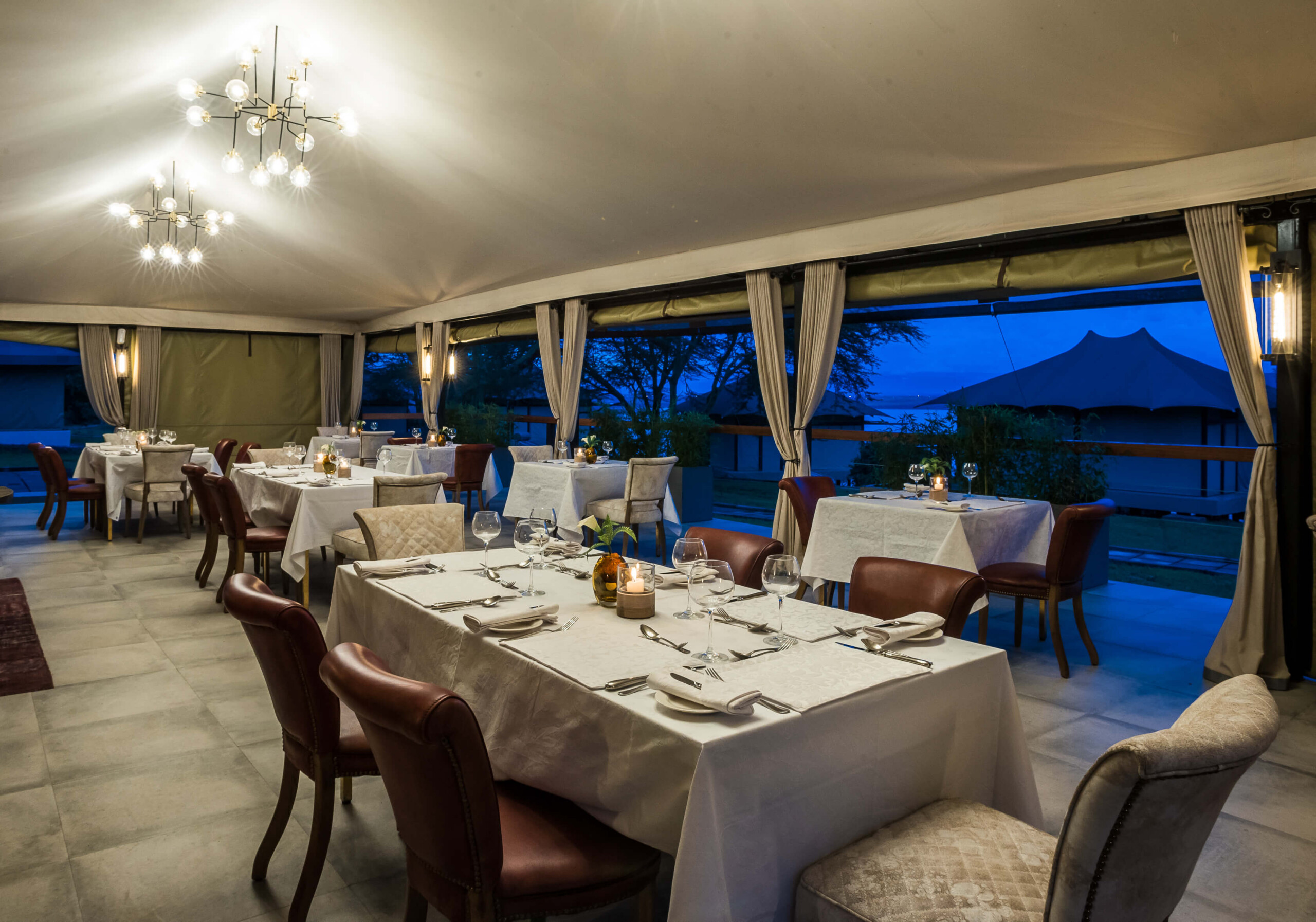
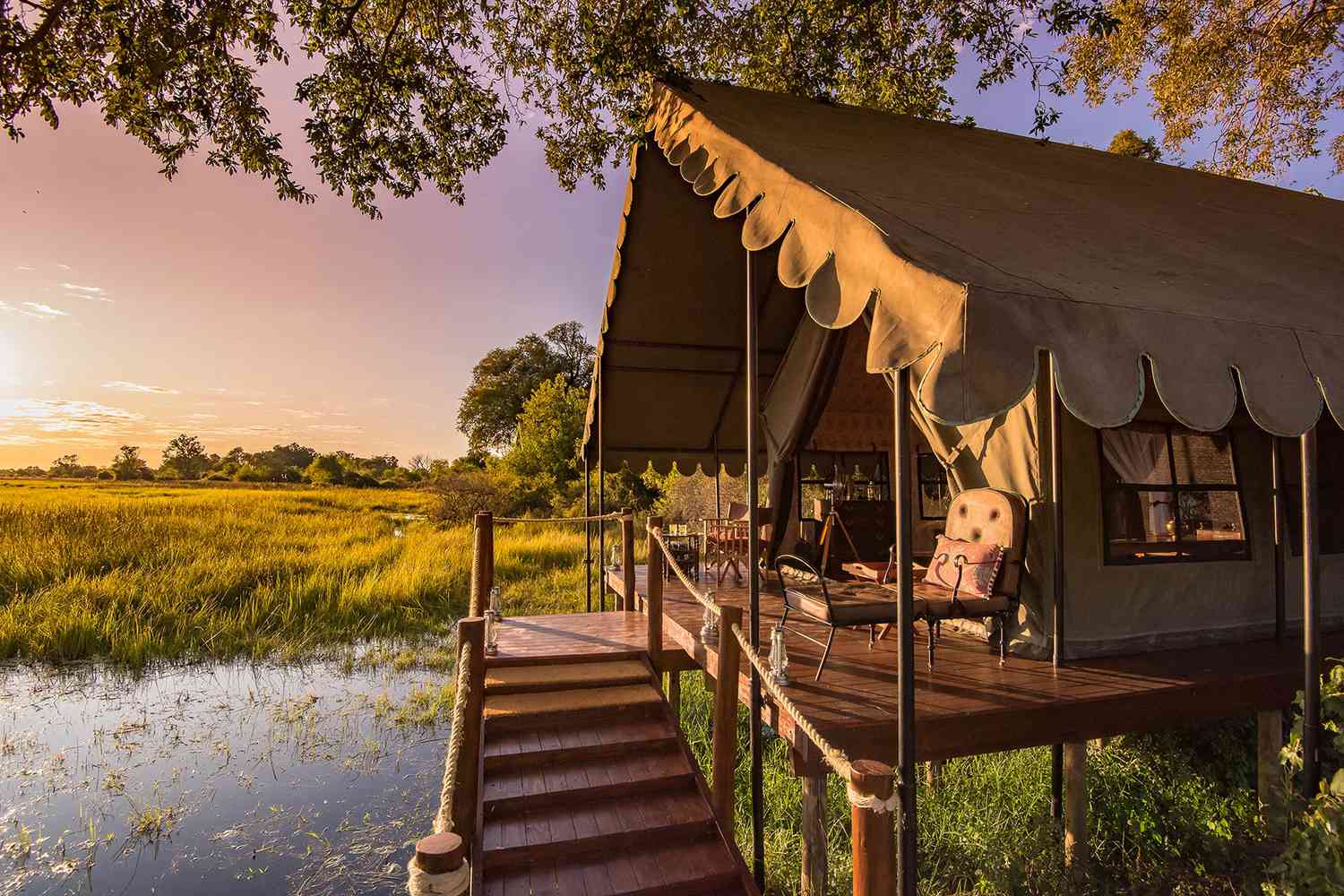
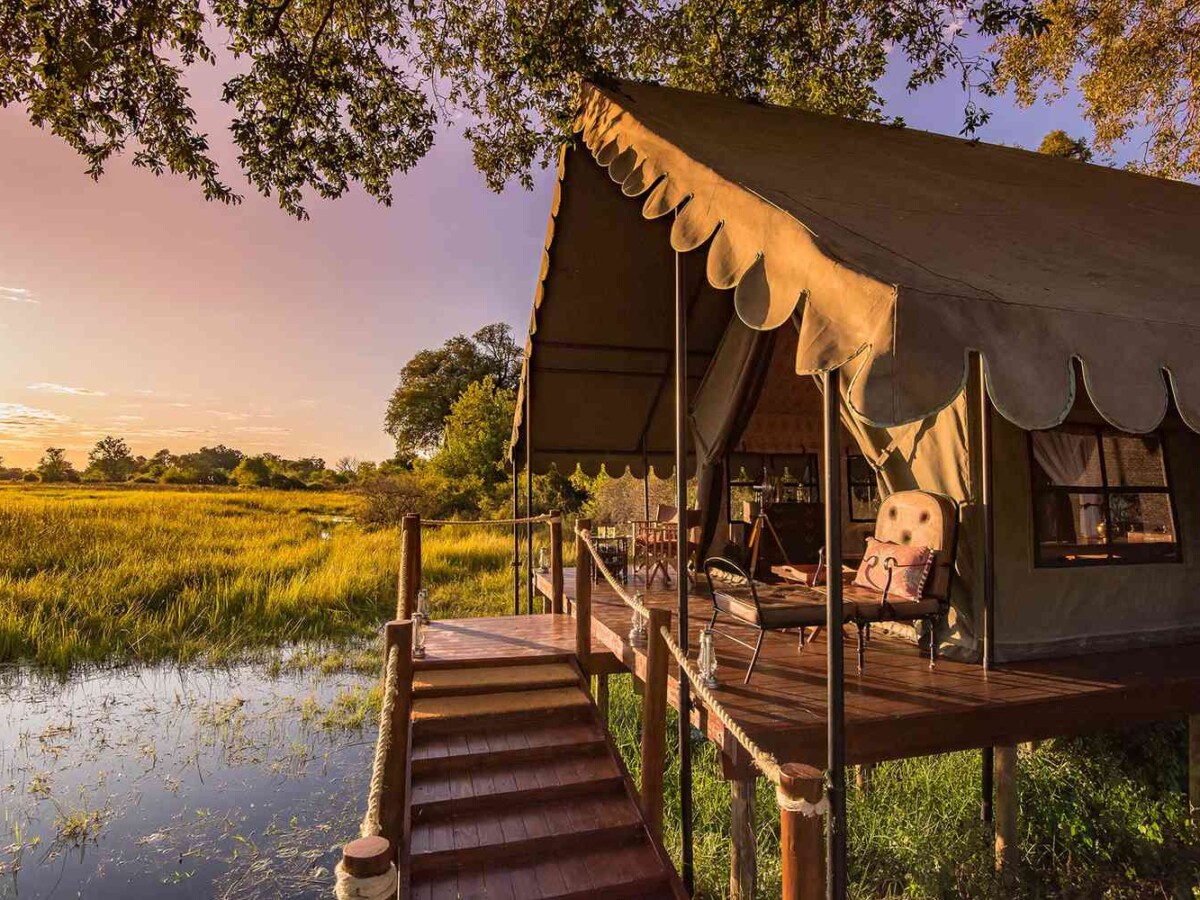
Luxury lodges in private concessions with photographic hides
Birdwatching in wetlands, savannahs, and floodplains
Cultural experiences with local communities
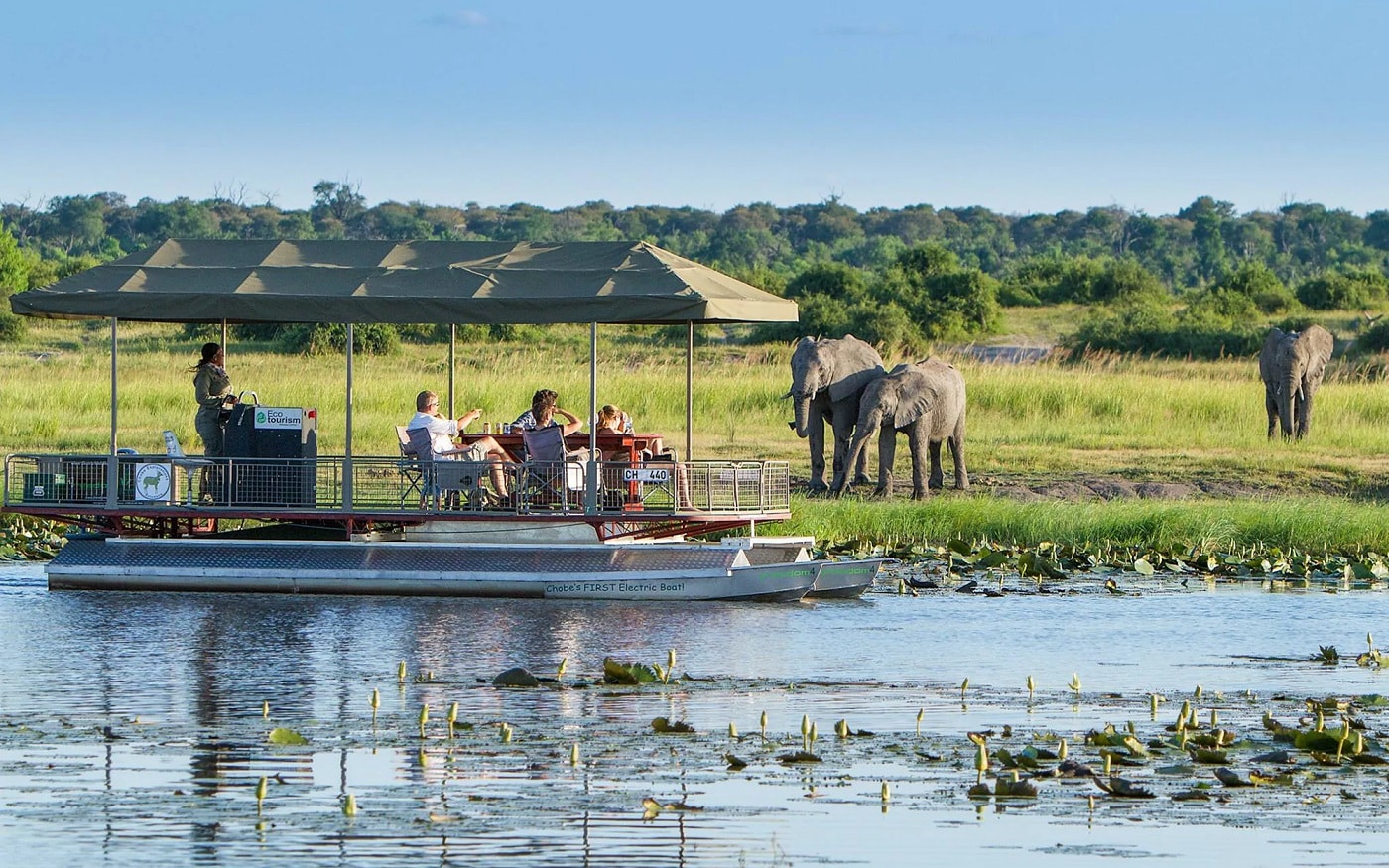
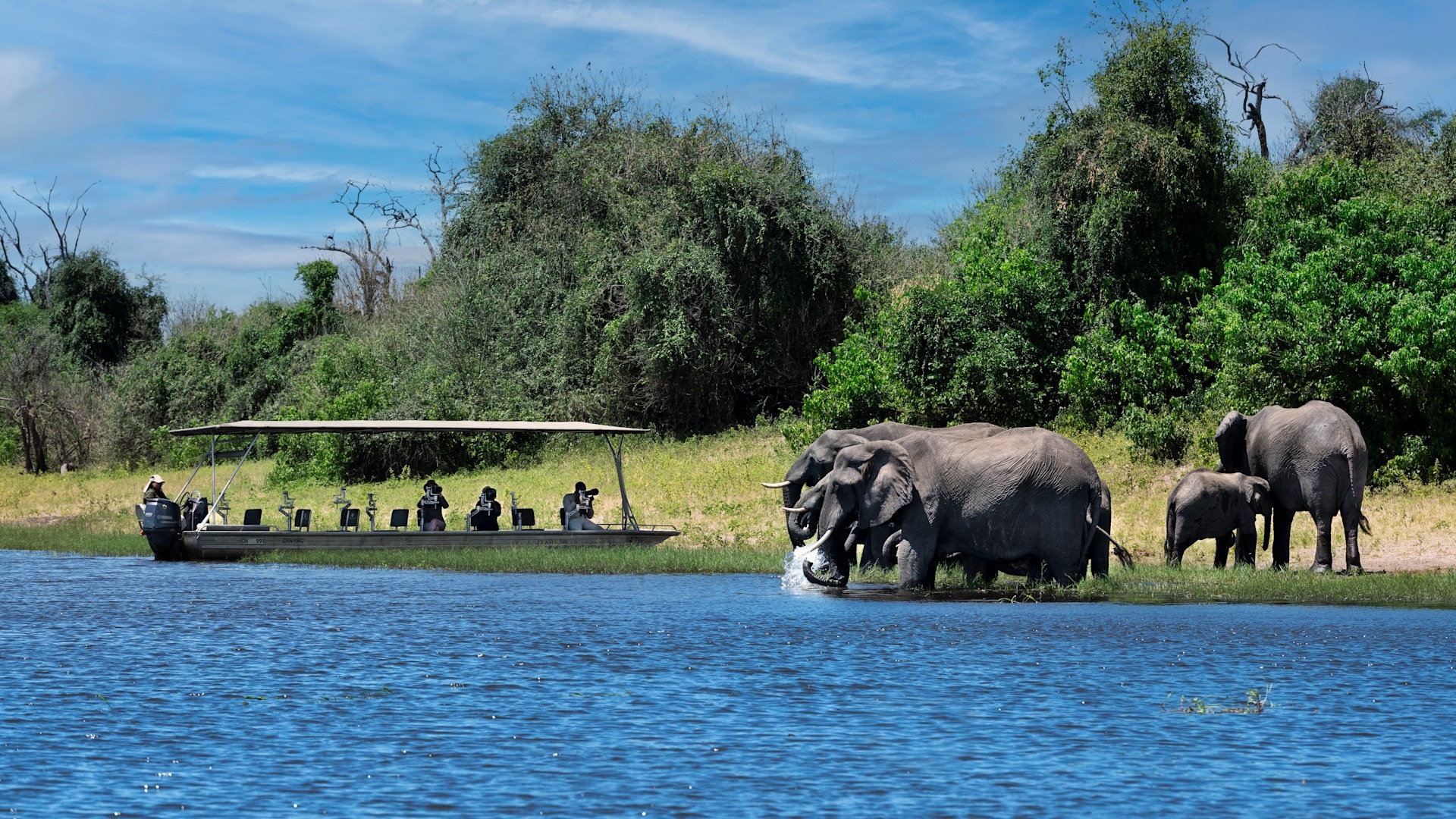
Scenic boat safaris and mokoro excursions in the Okavango Delta
Helicopter or microlight flights over the delta and Victoria Falls
Remote, exclusive safari experiences for honeymooners and photographers
Geography & Landscape
Botswana offers dramatic contrasts in landscapes:
Okavango Delta – Vast inland delta with waterways, islands, and abundant wildlife
Chobe National Park – Famous for large elephant herds and predator-rich ecosystems
Moremi Game Reserve – Exceptional safari experience with walking, vehicle, and boat safaris
Kalahari Desert – Semi-arid wilderness with desert-adapted species and stunning sunsets
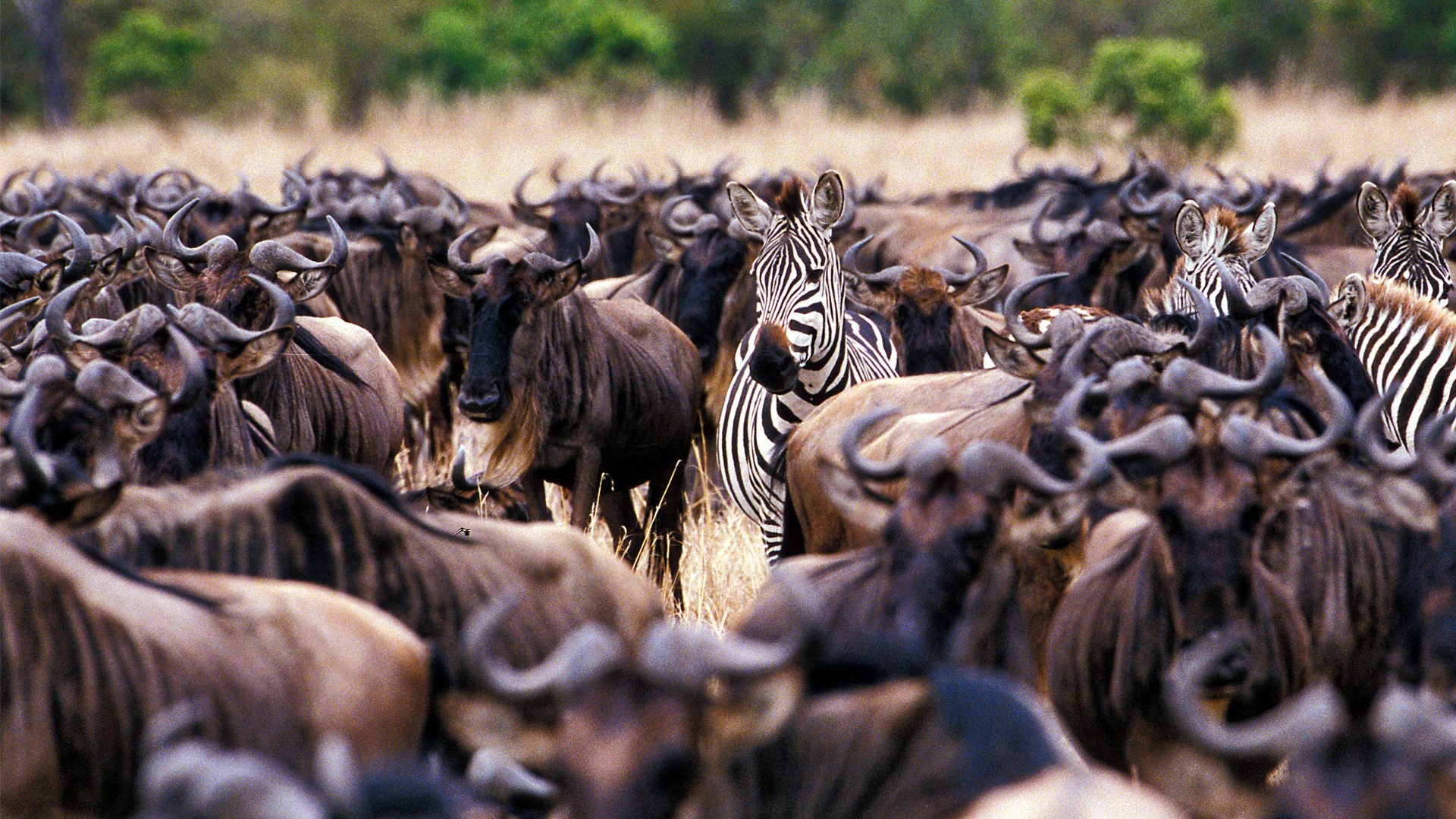
Nxai Pan National Park – Seasonal salt pans with spectacular migratory wildlife
Scenic rivers, floodplains, and pristine wilderness areas
Climate
Botswana has a semi-arid climate with distinct wet and dry seasons. Wildlife sightings and safari experiences vary by season.
Where to visit and stay in Botswana

Central Kalahari
Chobe National Park
Akavango Delta
Seasonality & Best Time to Travel to Botswana
Botswana can be divided into four key safari seasons, each offering unique wildlife and scenery:

1. Cool Dry Season (May – August) – Peak Safari & Wildlife Viewing
-
Cool, dry, sunny days and chilly nights
-
Ideal for game drives and walking safaris
-
Wildlife congregates around waterholes for easier spotting
-
Clear skies perfect for photography

2. Hot Dry Season (September – November) – Shoulder Season
-
Increasing temperatures, dry vegetation, wildlife concentrates at water sources
-
Excellent for predator activity and photographic safaris
-
Fewer tourists than peak season
-
Ideal for walking safaris and mokoro excursions

3. Green Season / Early Wet (December – February)
-
Warm temperatures with afternoon showers
-
Lush green landscapes and excellent birdwatching
-
Wildlife disperses due to abundant water, but landscapes are dramatic
-
Fewer tourists, ideal for photography of dramatic skies
4. Late Wet / Flood Season (March – April)
Heavier rainfall floods the Okavango Delta and pans in Moremi and Nxai
Canoe and boat safaris become possible in new waterways
Fewer visitors, remote and exclusive safari experiences
Birdlife thrives, and scenery is spectacularly green