Namibia: Adventure in Africa’s Dramatic Landscapes

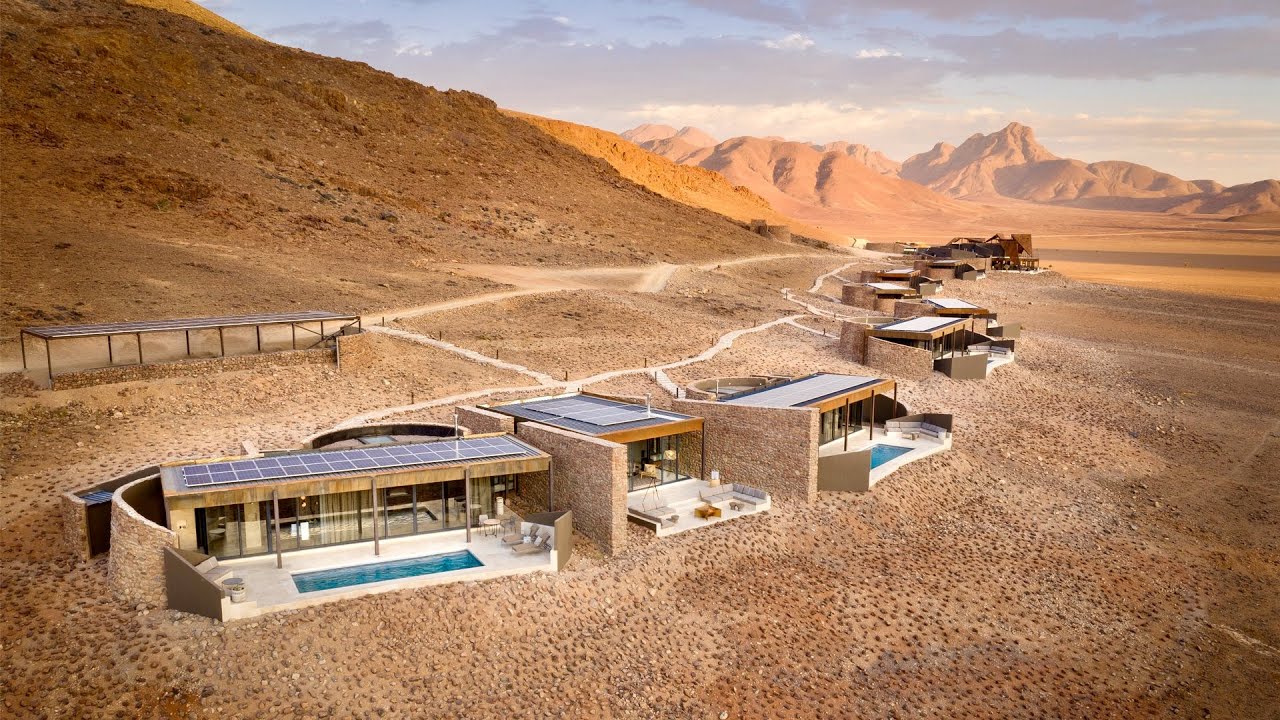
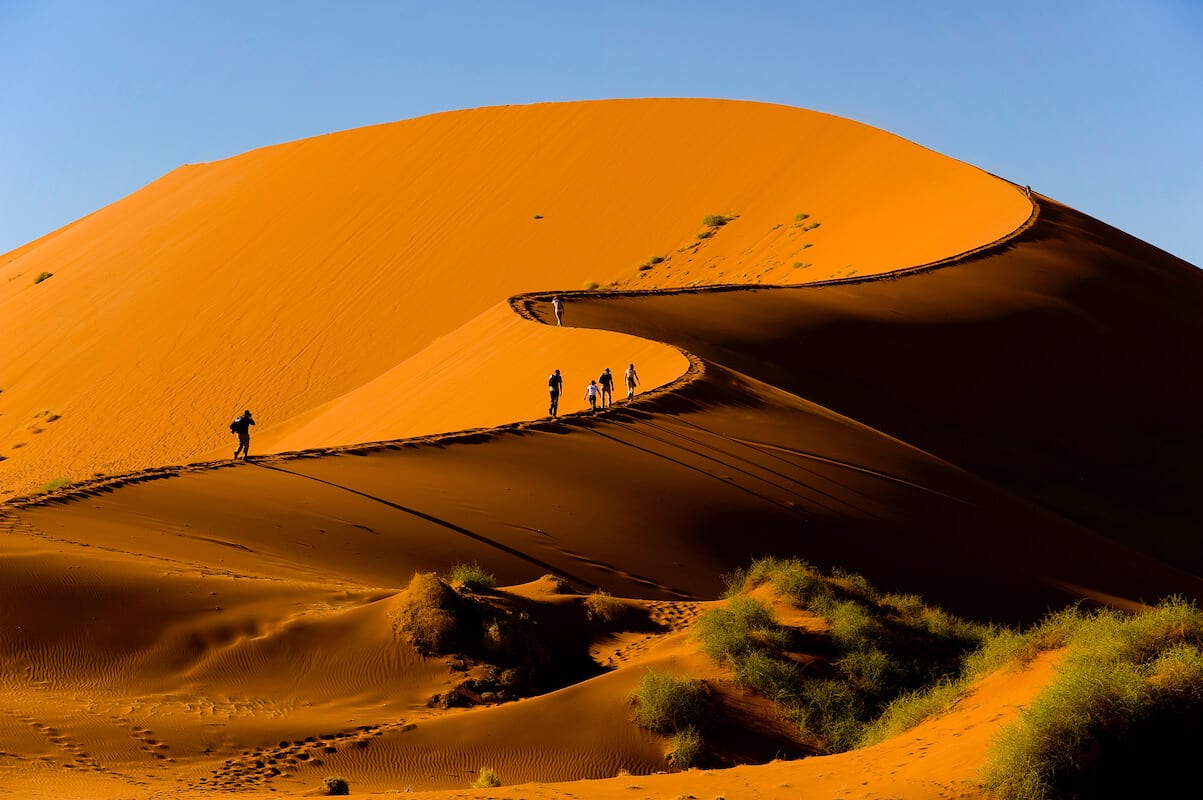
When thinking of raw African wilderness, Namibia immediately comes to mind. Known for its towering red dunes, endless deserts, rugged mountains, and vast wildlife plains, Namibia offers an unforgettable safari adventure combined with breathtaking natural beauty.

From luxury lodges in the heart of the desert to private game reserves and guided walking safaris, Namibia delivers a perfect blend of adventure, culture, and exclusive wildlife experiences. Whether it’s tracking desert-adapted elephants or photographing the iconic Deadvlei, Namibia promises unforgettable encounters and pristine landscapes.

Highlights

  • Witness the world-famous red dunes of Sossusvlei and Deadvlei

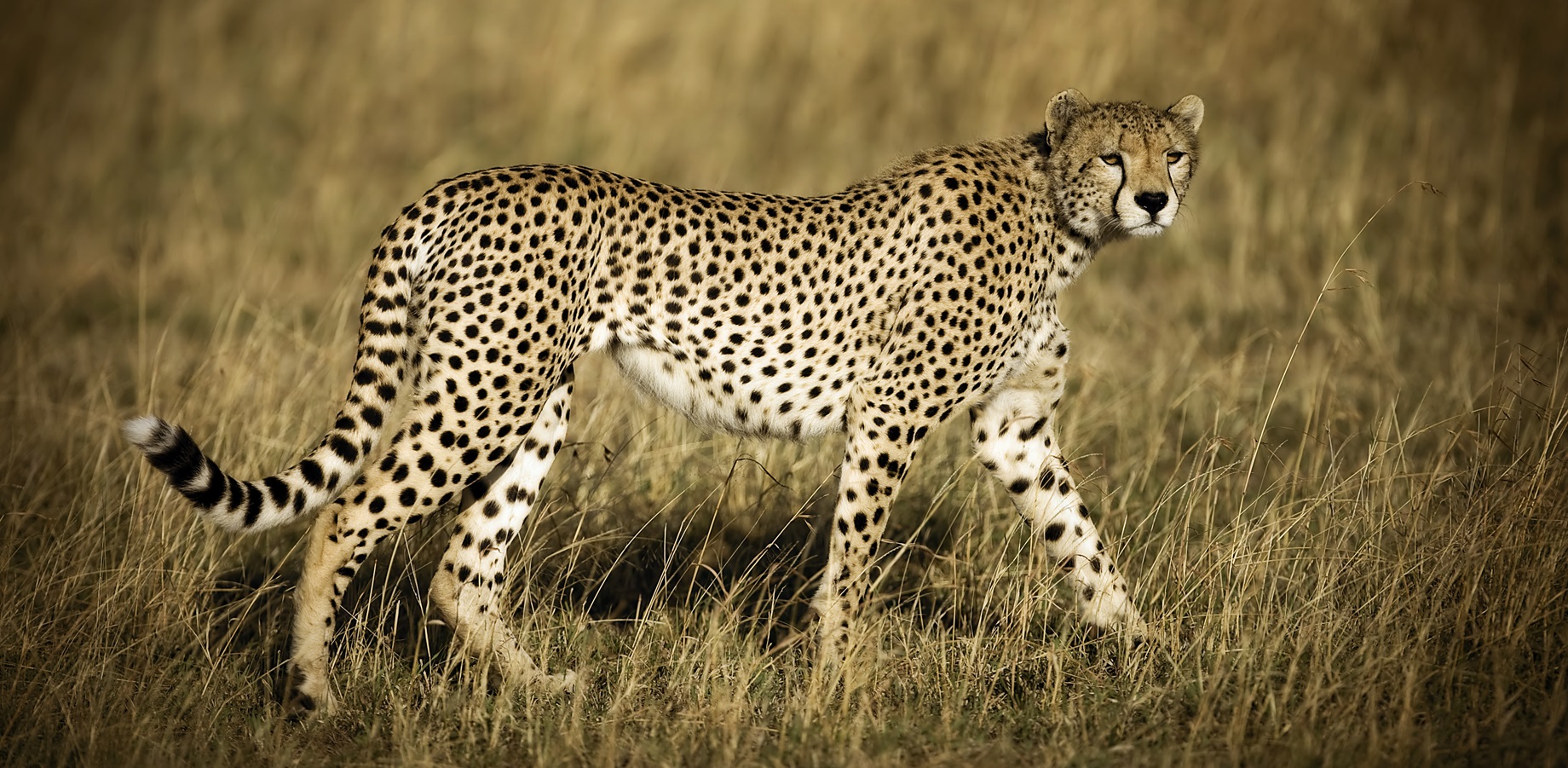
  • Track desert-adapted wildlife including lions, elephants, and oryx

  • Explore the iconic Skeleton Coast with its shipwrecks and seal colonies

  • Private walking safaris and expert-guided game drives

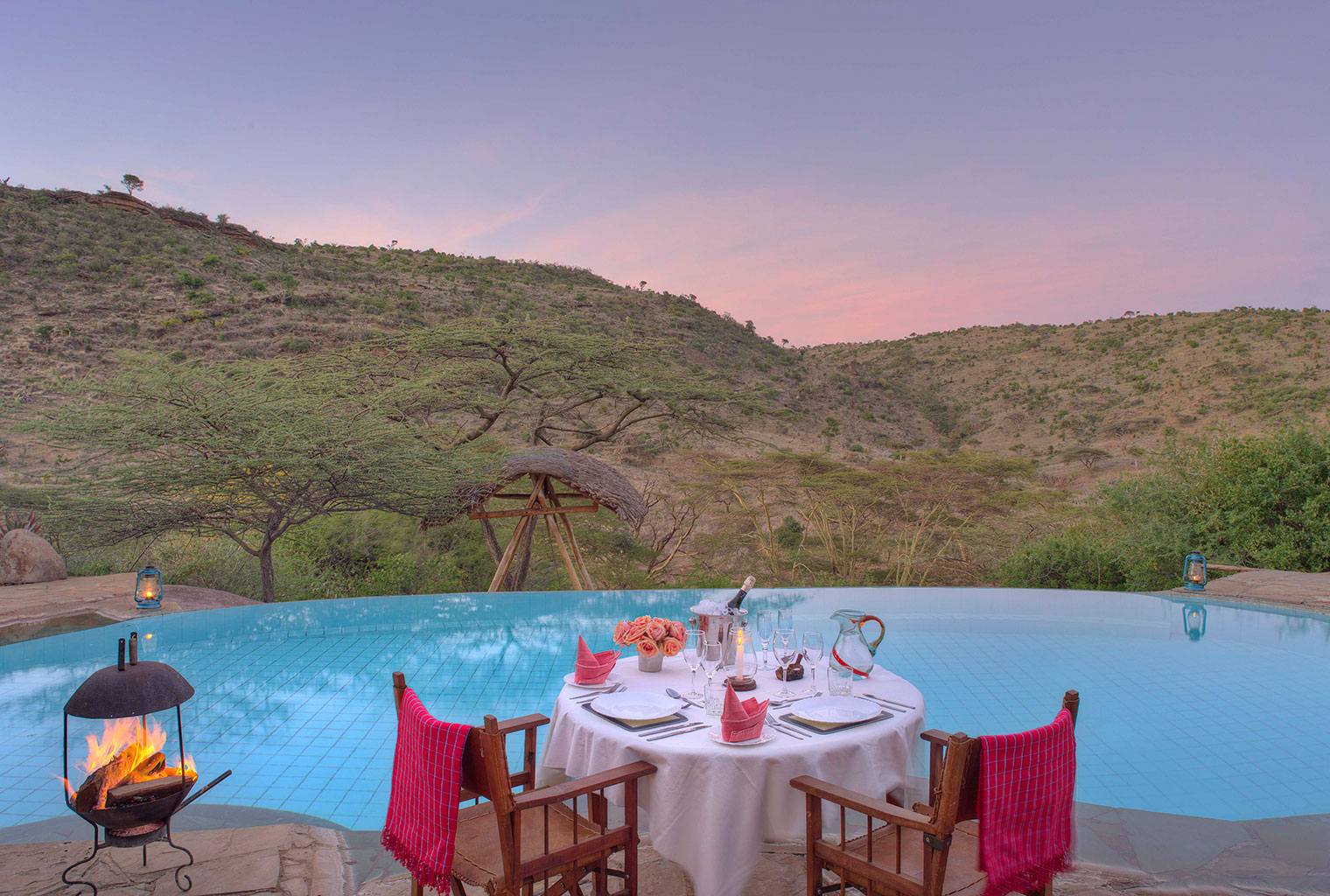
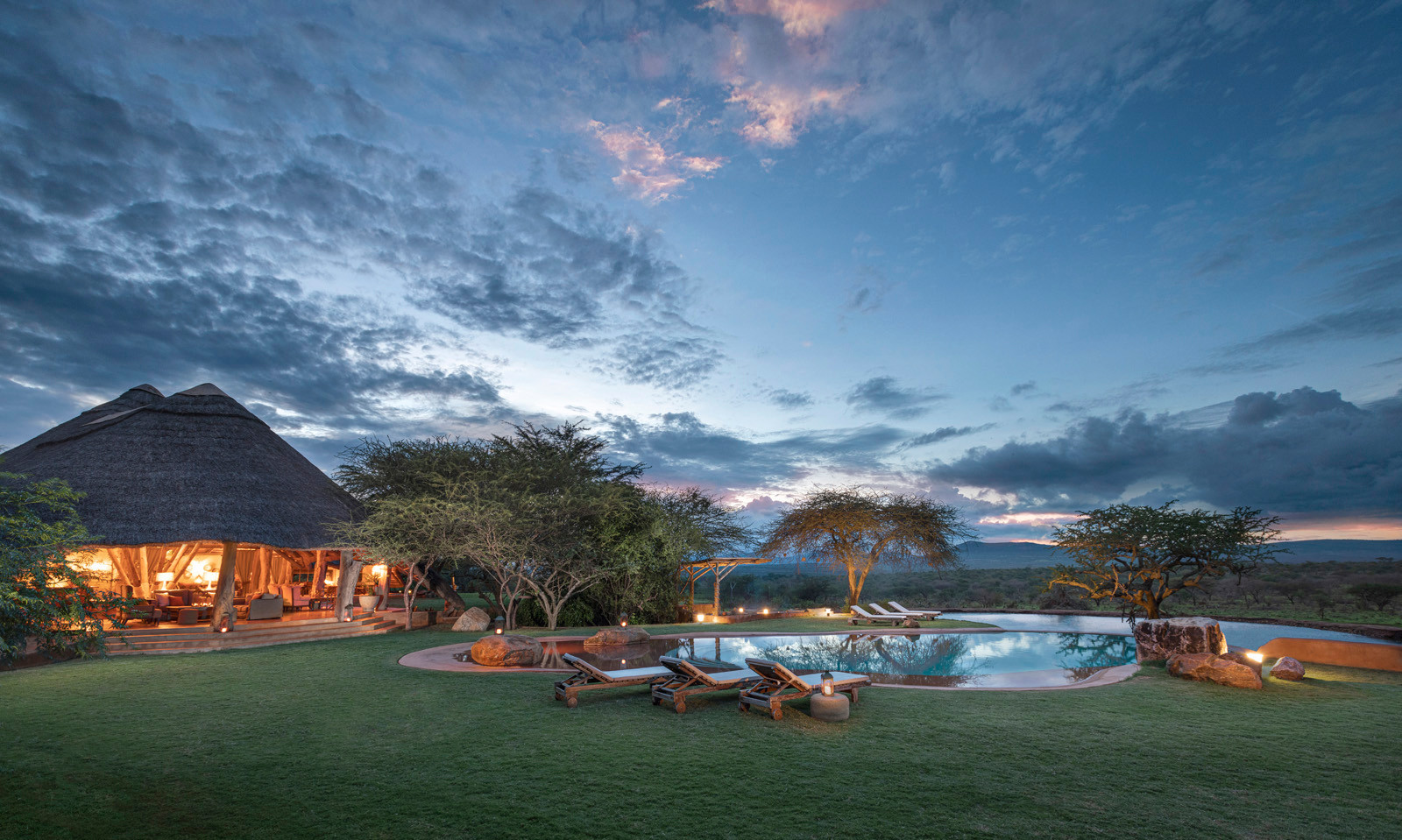
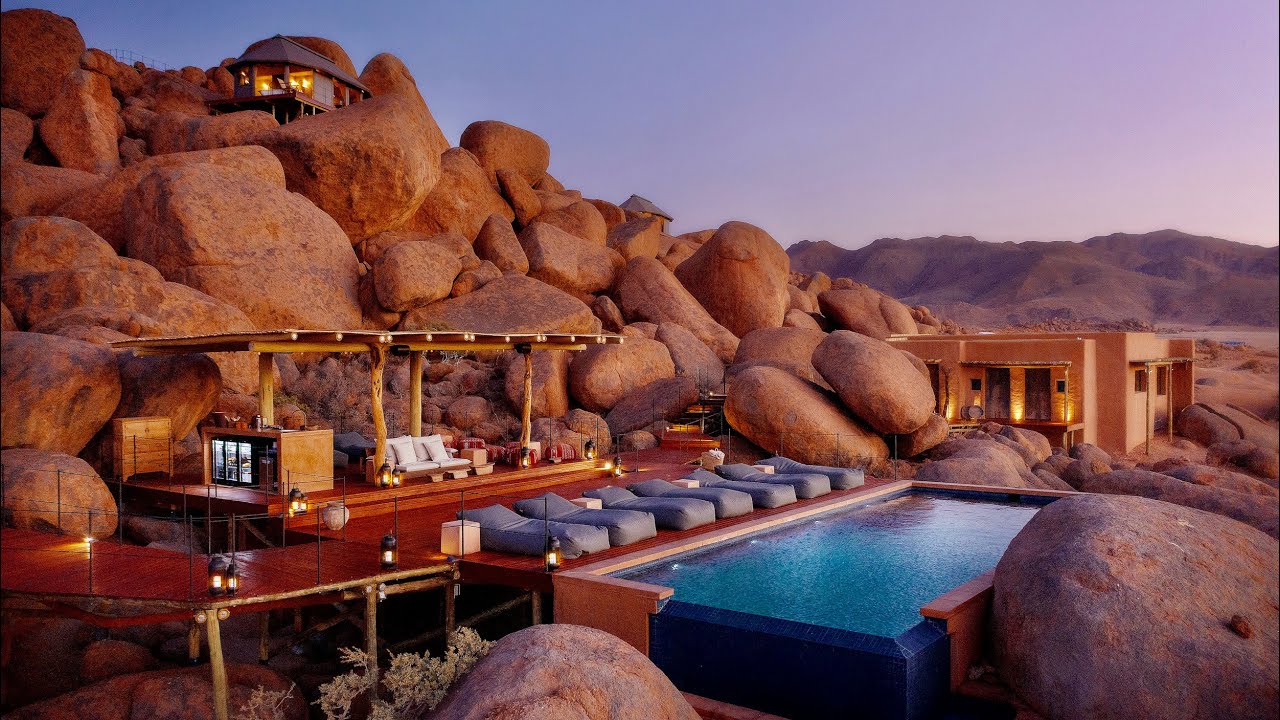
  • Luxurious lodges and tented camps in exclusive game reserves

  • Photographic safaris across diverse landscapes — desert, savannah, and coastline

  • Cultural experiences with local Himba and San communities

  • Stargazing in some of the clearest skies on earth

  • Combine desert adventure with coastal luxury at Swakopmund

  • Perfect destination for adventure and luxury travelers
Namibia at a Glance – Key Facts

Namibia is one of Africa’s most stable and well-organized safari destinations, celebrated for its low-impact tourism, conservation efforts, and spectacular landscapes.

Official Name: Republic of Namibia
Capital City: Windhoek
Population: Approximately 2.6 million
Official Language: English
Widely Spoken: Afrikaans, German, Oshiwambo
Currency: Namibian Dollar (NAD) / South African Rand (ZAR)
Time Zone: GMT +2
International Airport: Hosea Kutako International Airport (WDH)
Geographical Size: 824,292 square kilometres

Namibia is one of Africa’s most stable and well-organized safari destinations, celebrated for its low-impact tourism, conservation efforts, and spectacular landscapes.


Geography & Landscape

Namibia’s natural diversity is striking:

  • Namib Desert – The world’s oldest desert with towering red dunes

  • Sossusvlei & Deadvlei – Iconic clay pans and photographic landscapes

  • Etosha National Park – Massive salt pan and wildlife sanctuary

  • Skeleton Coast – Rugged coastline, shipwrecks, and seal colonies

  • Damaraland – Granite mountains and desert-adapted wildlife

  • Caprivi Strip & Zambezi Region – Lush riverine habitats and birdwatching


Climate

Namibia is semi-arid, with distinct wet and dry seasons. Weather is highly seasonal depending on the region:

Dry Season (May – October)

Wet Season (November – April)

Average temperatures range from 15°C – 35°C, with nights cooler in the desert.

Seasonality & Best Time to Travel to Namibia

Namibia’s travel seasons are highly distinct, making timing critical for specific experiences.

Dry Season (May – October) – Peak Safari Season

  • Cool mornings and warm afternoons

  • Excellent wildlife spotting in Etosha, Damaraland, and Caprivi

  • Clear skies for photography and stargazing

  • Desert trekking and scenic drives ideal

This is prime season for classic safaris and desert exploration.

samburu-National-reserve-elephants

Green Season / Wet Season (November – April)

  • Hotter temperatures with occasional thunderstorms

  • Desert flora comes alive with vibrant blooms

  • Fewer tourists and lower lodge rates

  • Ideal for birdwatchers and photographers

Wildlife disperses during rains but desert scenery becomes stunningly green.
Namibia Experiences

Planning your vacation should be as relaxing as going on one.
Tsavo red elephants

Tsavo National Park

Combined, Tsavo East and Tsavo West make Kenya’s biggest park, one of the world’s largest game sanctuaries. Despite this, the parks have a lower population of wildlife and difficult to spot the animals in the dense acacia.

Lewa Conservancy

Lewa Conservancy

Lewa Wildlife Conservancy, located in northern Kenya, is a pioneering model of community-based conservation and sustainable wildlife management. In addition to its conservation efforts, Lewa is recognized for its sustainable tourism practices, with eco-friendly lodges and camps offering luxurious accommodations amidst the breathtaking scenery.

Samburu National Reserve

Samburu National Reserve

This arid northern area offers a wealth of animals, good game viewing, and a highly contrasting landscape with intimidating hills, mountains and majestic elephants. Samburu is remote, off the main tourist route and offers great cultural interaction and experiences.

Masai Mara 

Masai Mara

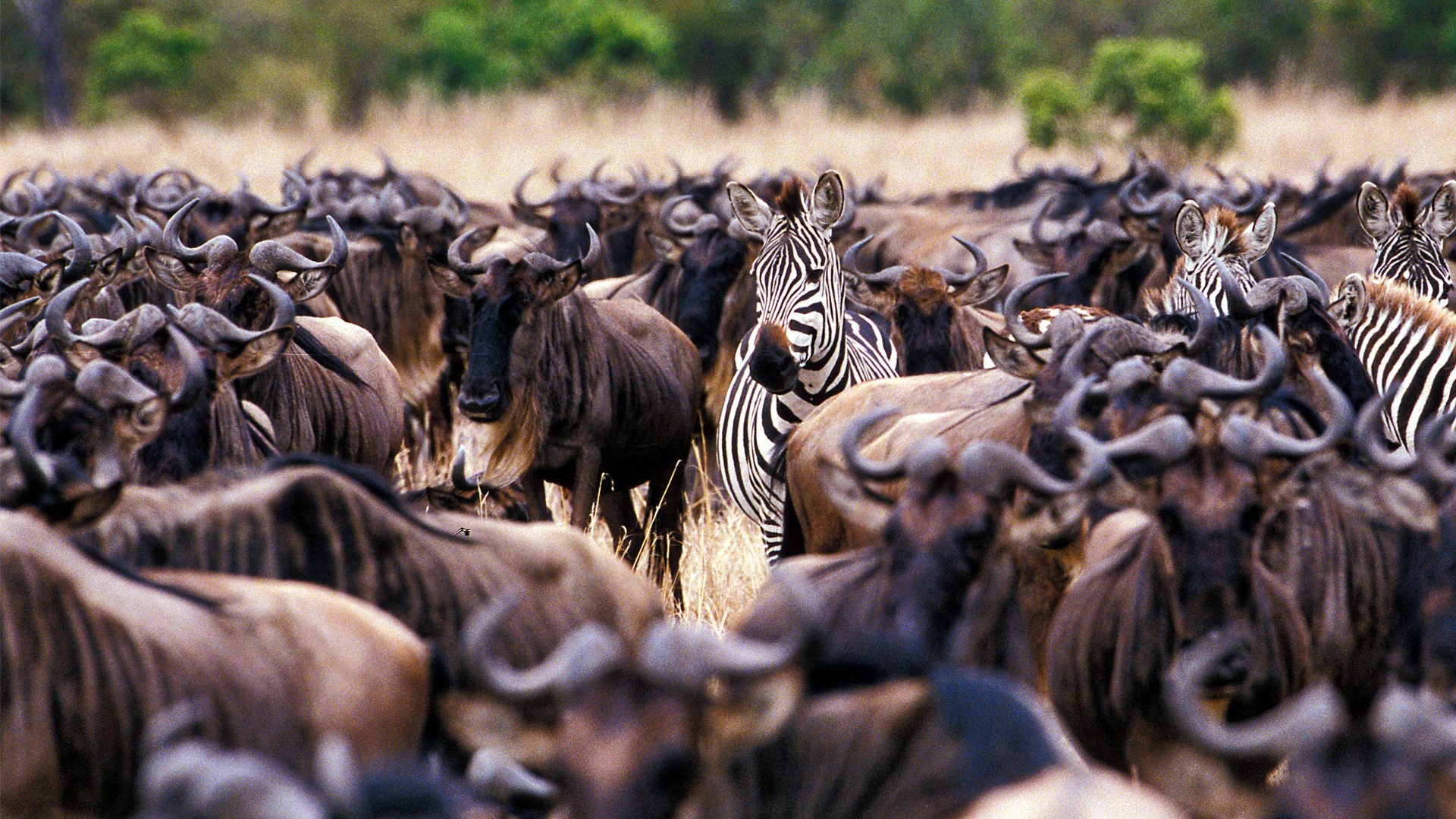
The Masai Mara is Kenya’s most famous nature reserve. It evokes the senses and inspire bucket list dreams. If you are dreaming about a safari, you are most probably dreaming of the Masai Mara. It is classic savannah with plenty of animals and spectacular vistas. Masai Mara is also the site of one of the most spectacular animal migrations in the world and home to a high concentration of the ’big five’ including lion, elephant, leopard, buffalo and rhino.

Private Walking Safari & Luxury Lodge Experience

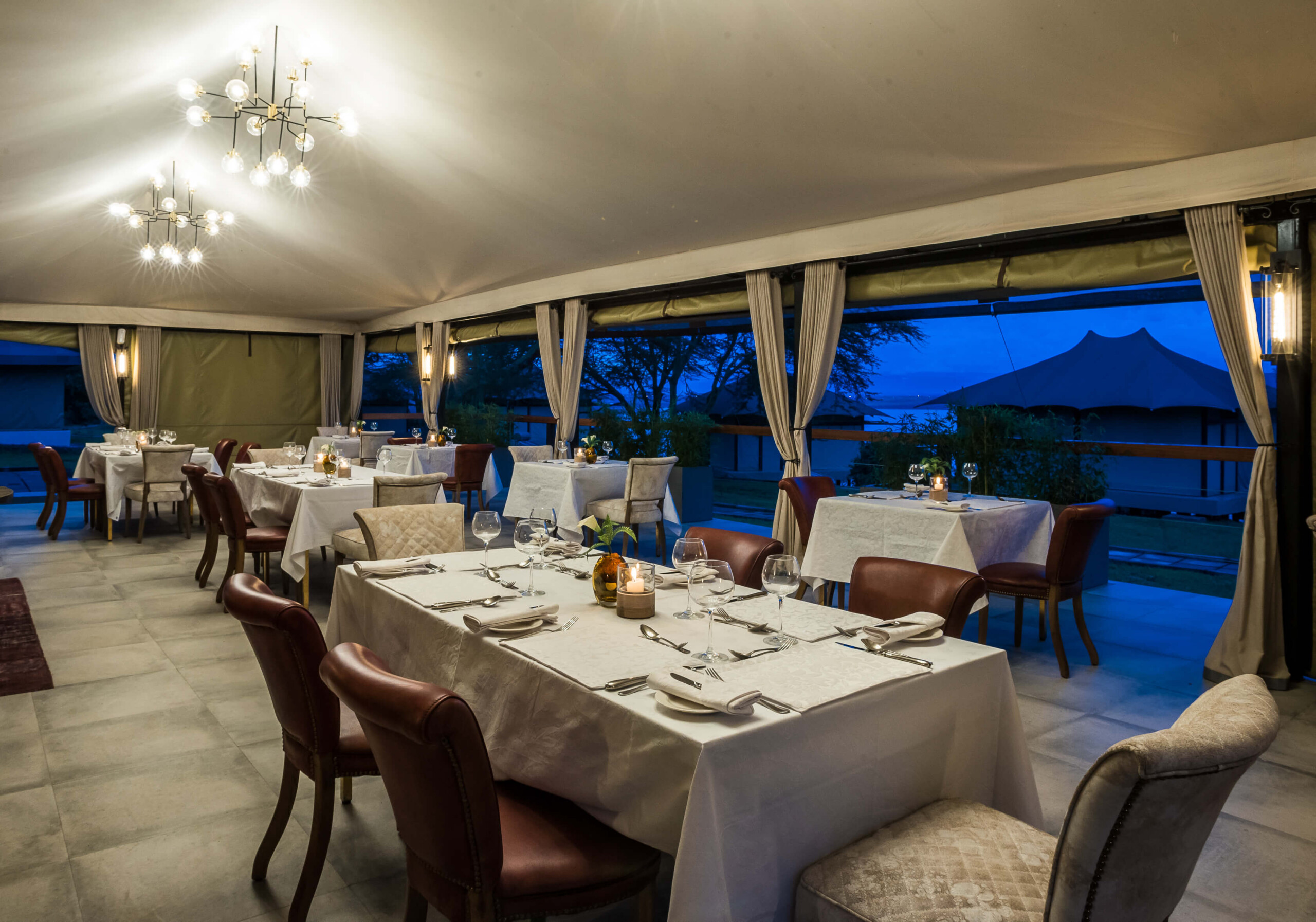
Experience Namibia on foot with expert guides. Track wildlife, learn about survival in arid landscapes, and return to world-class lodges offering privacy, comfort, and fine dining under African skies.

How Long Should You Spend in Namibia?

We recommend 10 to 12 days to fully experience Namibia’s diversity.

Ten days allows a balance between desert exploration, wildlife safaris, and coastal adventures. Twelve days provide a more immersive experience with time in Etosha, Damaraland, Sossusvlei, and the Skeleton Coast.

Namibia is ideal for photography-focused travelers, luxury safari seekers, and adventure enthusiasts.