Kenya: The Heart of African Safaris & Iconic Wildlife Encounters
Kenya is the quintessential African safari destination, celebrated for its dramatic savannahs, rich wildlife diversity, and timeless landscapes. From the vast plains of Masai Mara National Reserve to the snow-capped peaks of Mount Kenya, and the palm-fringed coastline along the Indian Ocean, Kenya offers an extraordinary combination of adventure, culture, and coastal indulgence.
With exclusive lodges, expert guides, and carefully curated experiences, Kenya delivers unforgettable wildlife encounters, from the iconic Great Migration to rare sightings of unique species in arid northern reserves. It is ideal for travellers seeking adventure, intimate wildlife experiences, and the perfect blend of safari and relaxation.
Highlights
-
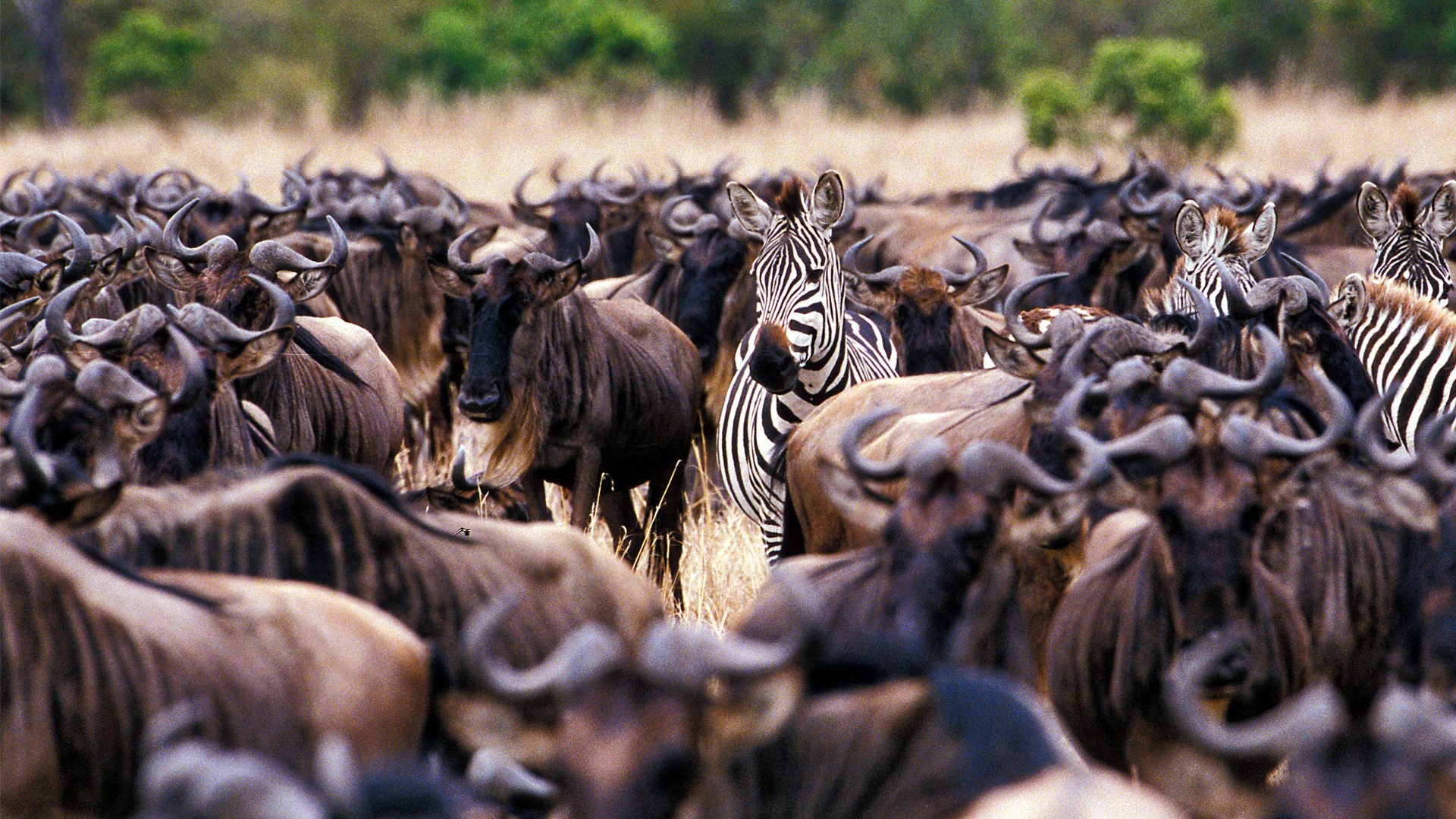
Witness the dramatic Great Wildebeest Migration in Masai Mara
-
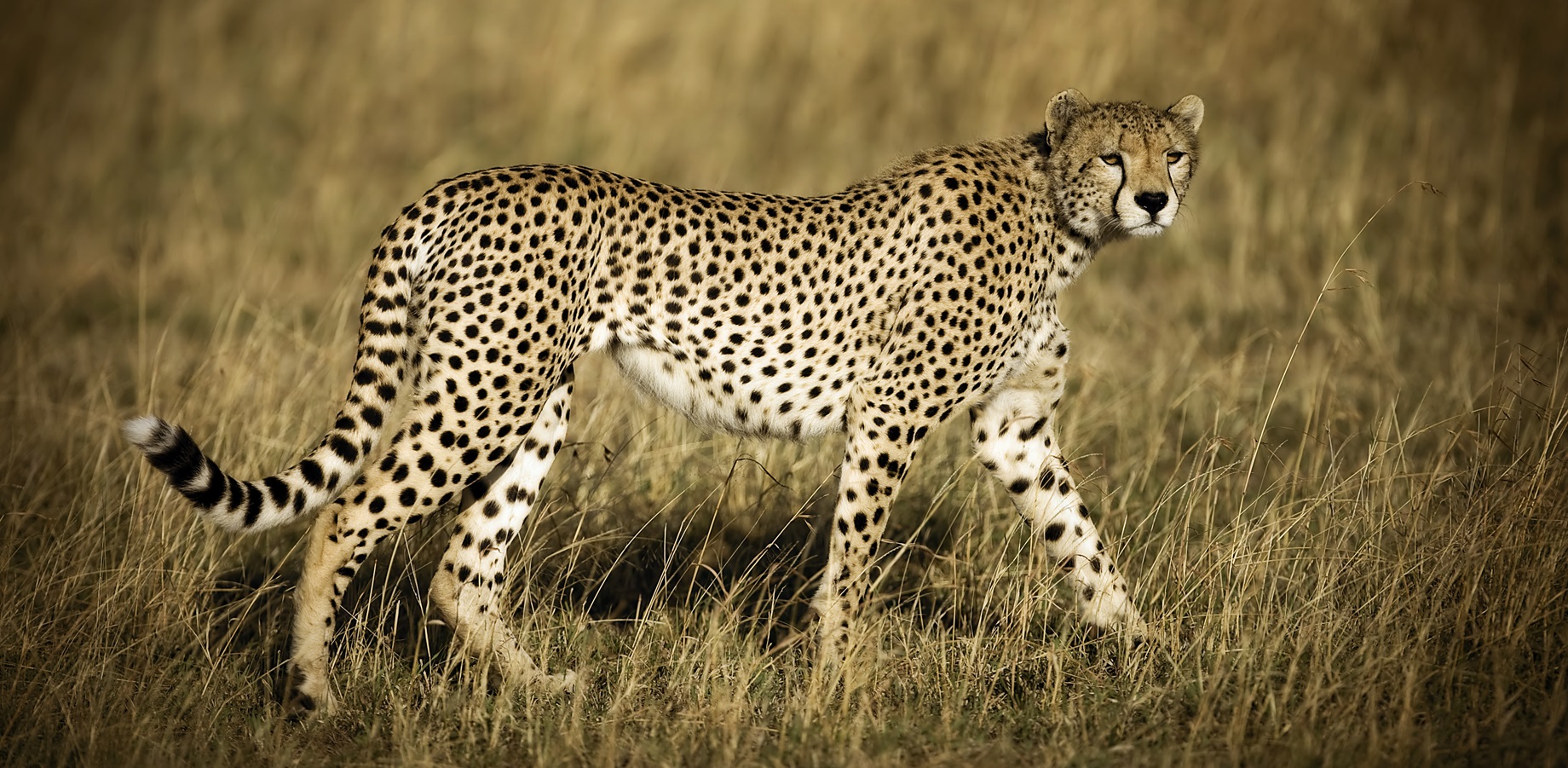
Track the Big Five across iconic national parks and private conservancies
-
Encounter Kenya’s “Special Five”: Grevy’s zebra, reticulated giraffe, Somali ostrich, gerenuk, Beisa oryx in Samburu
- Night drives and walking safaris in exclusive reserves
-
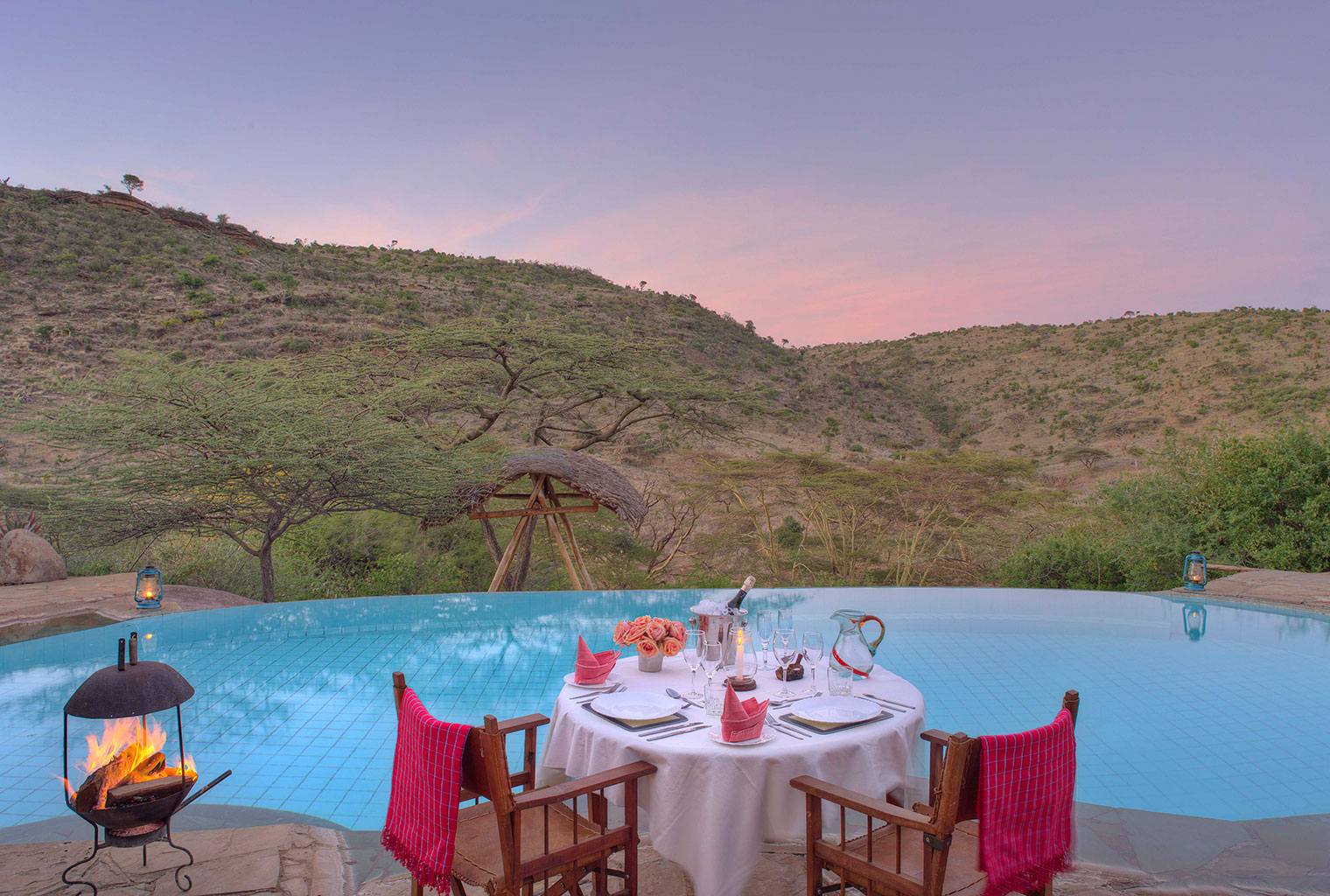
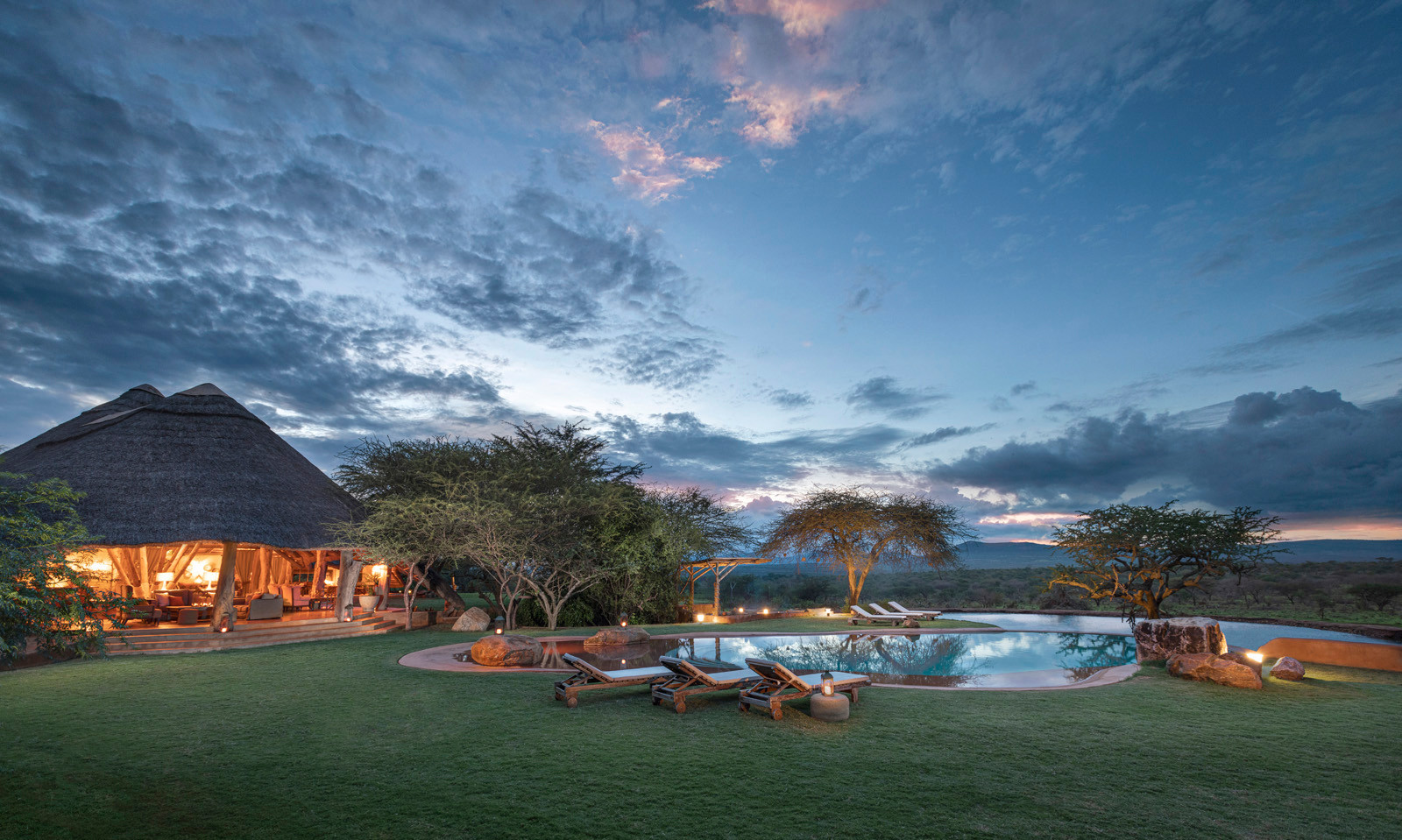
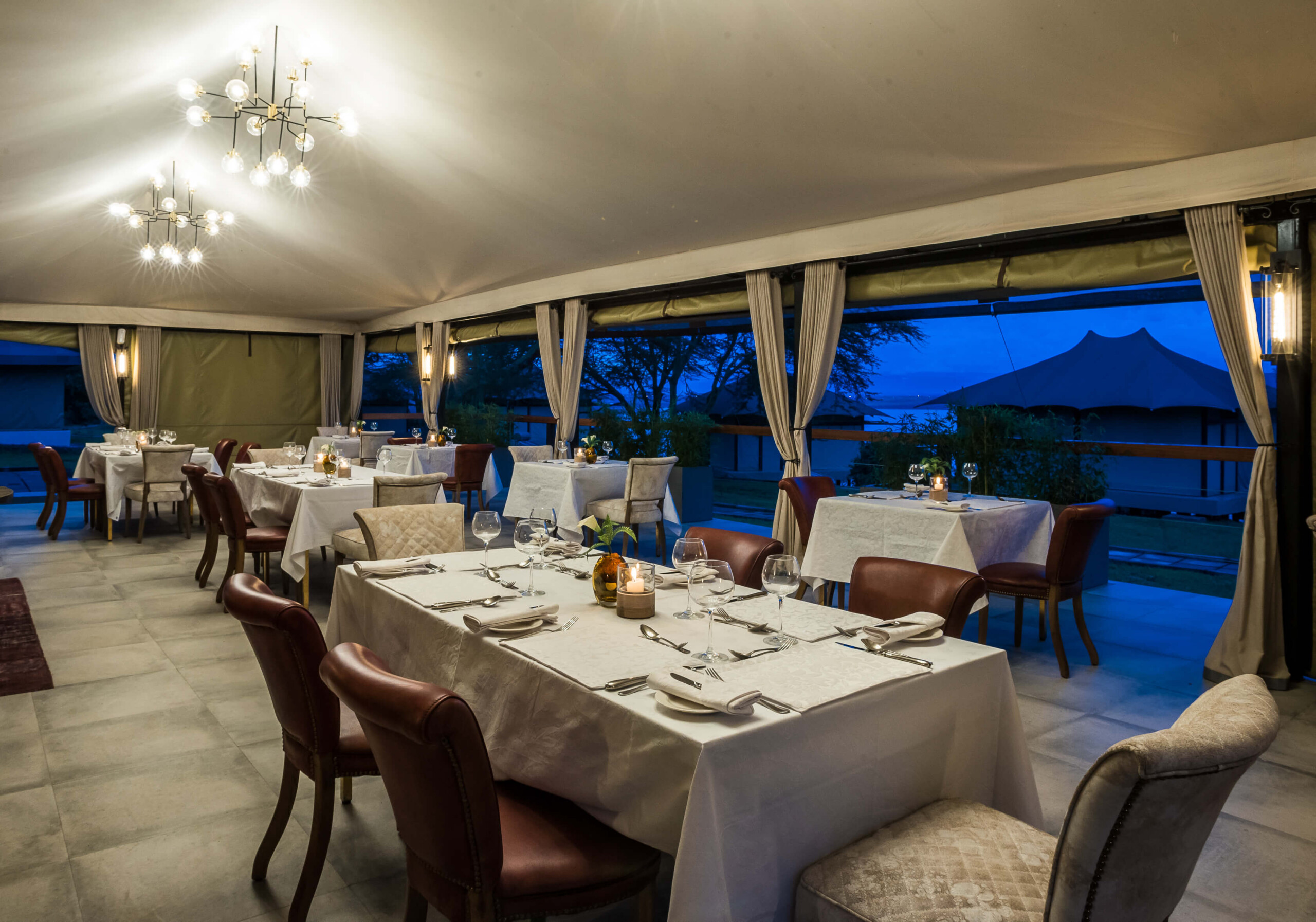
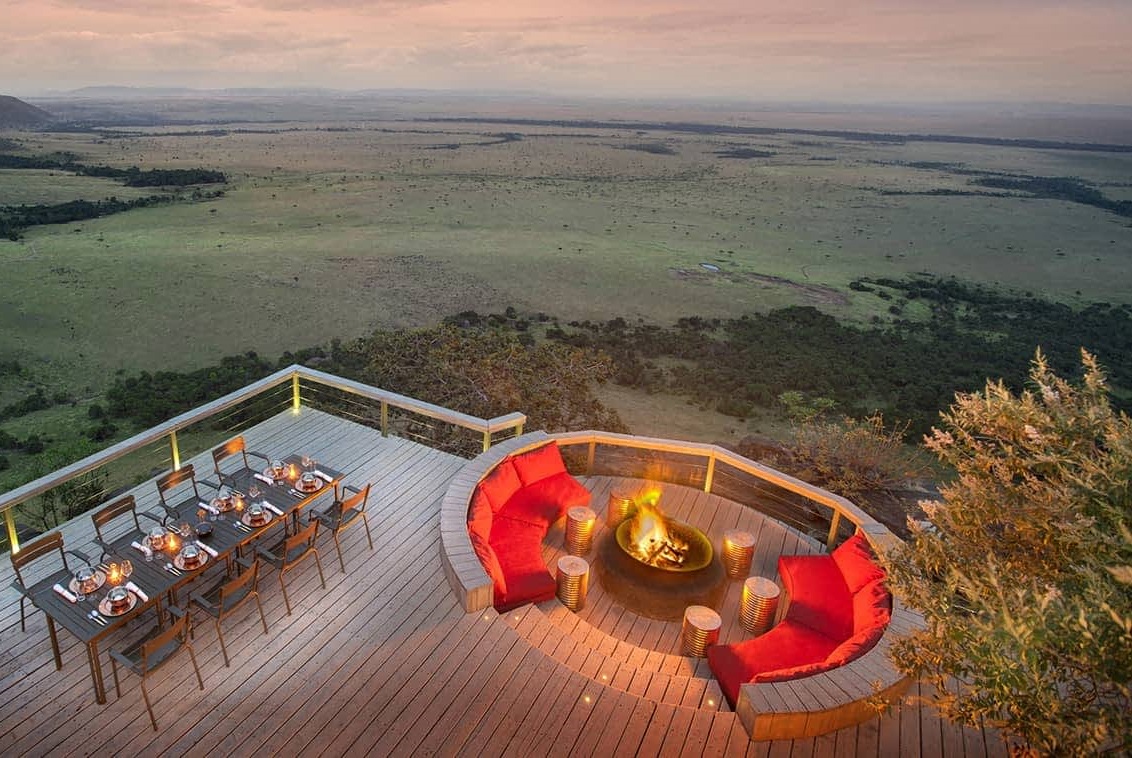
Luxury eco-lodges with panoramic views and private pools
-
Combine safari with white-sand beaches along the Kenyan Coast
-
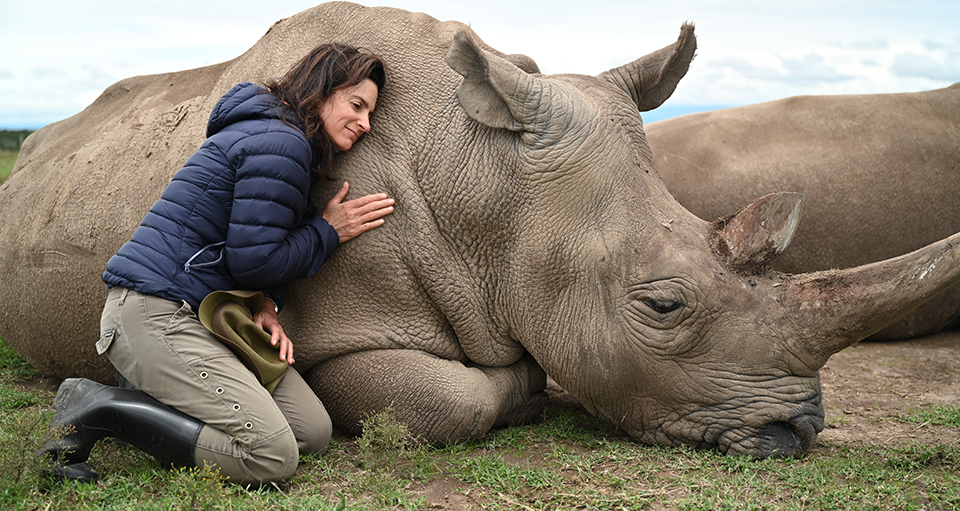
Conservation-focused experiences at Ol Pejeta and Lewa Wildlife Conservancy
-
Exceptional photographic opportunities and birdwatching
-
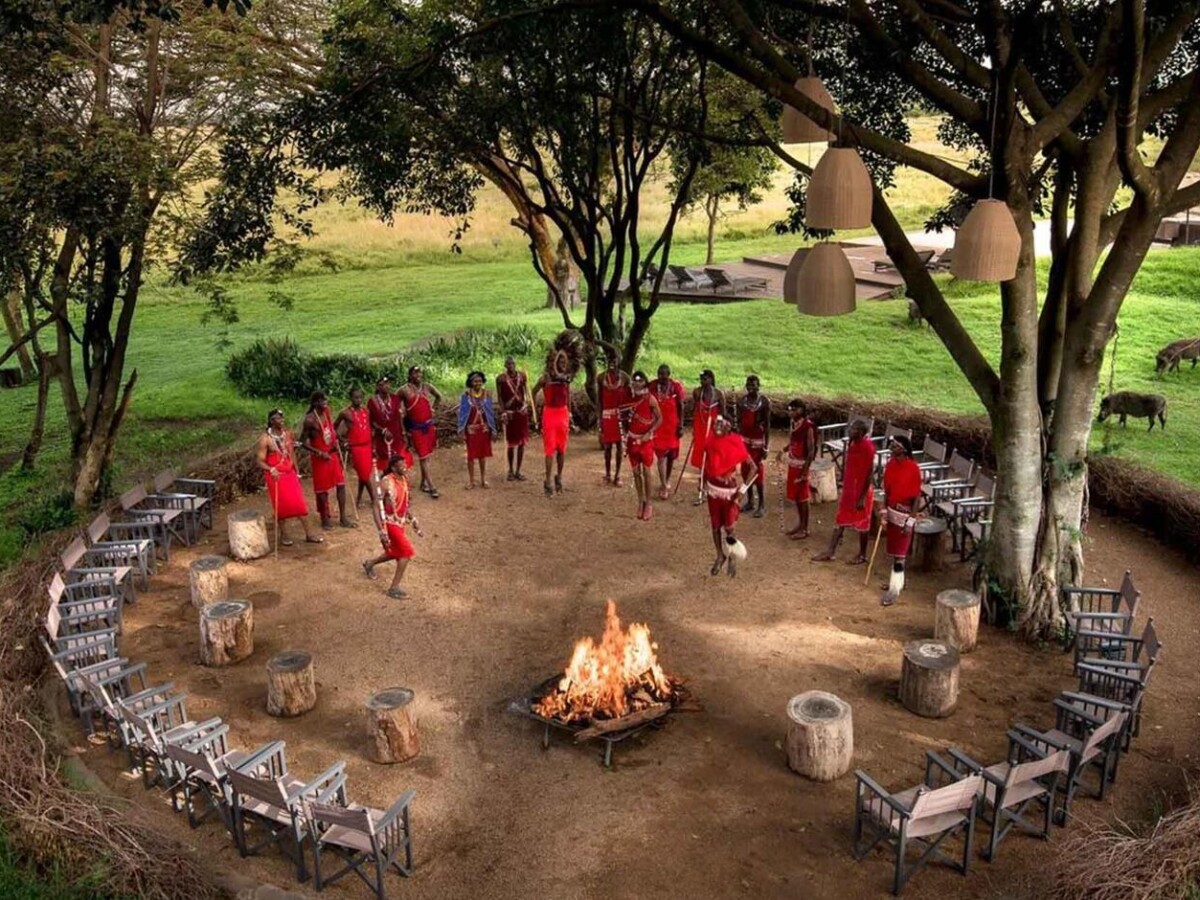
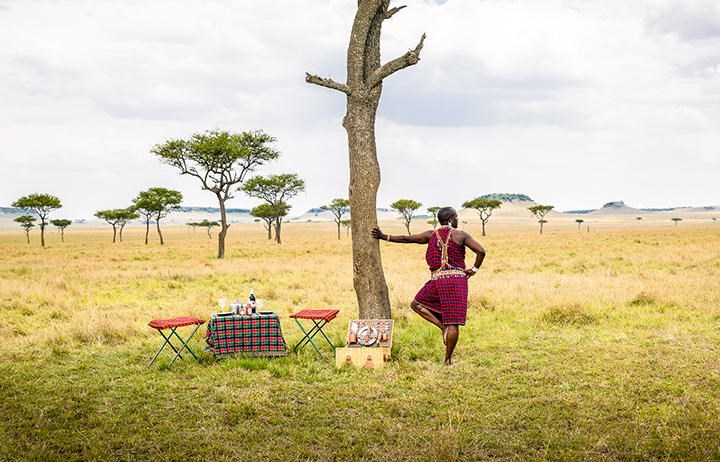
Cultural immersion with Maasai and Samburu communities
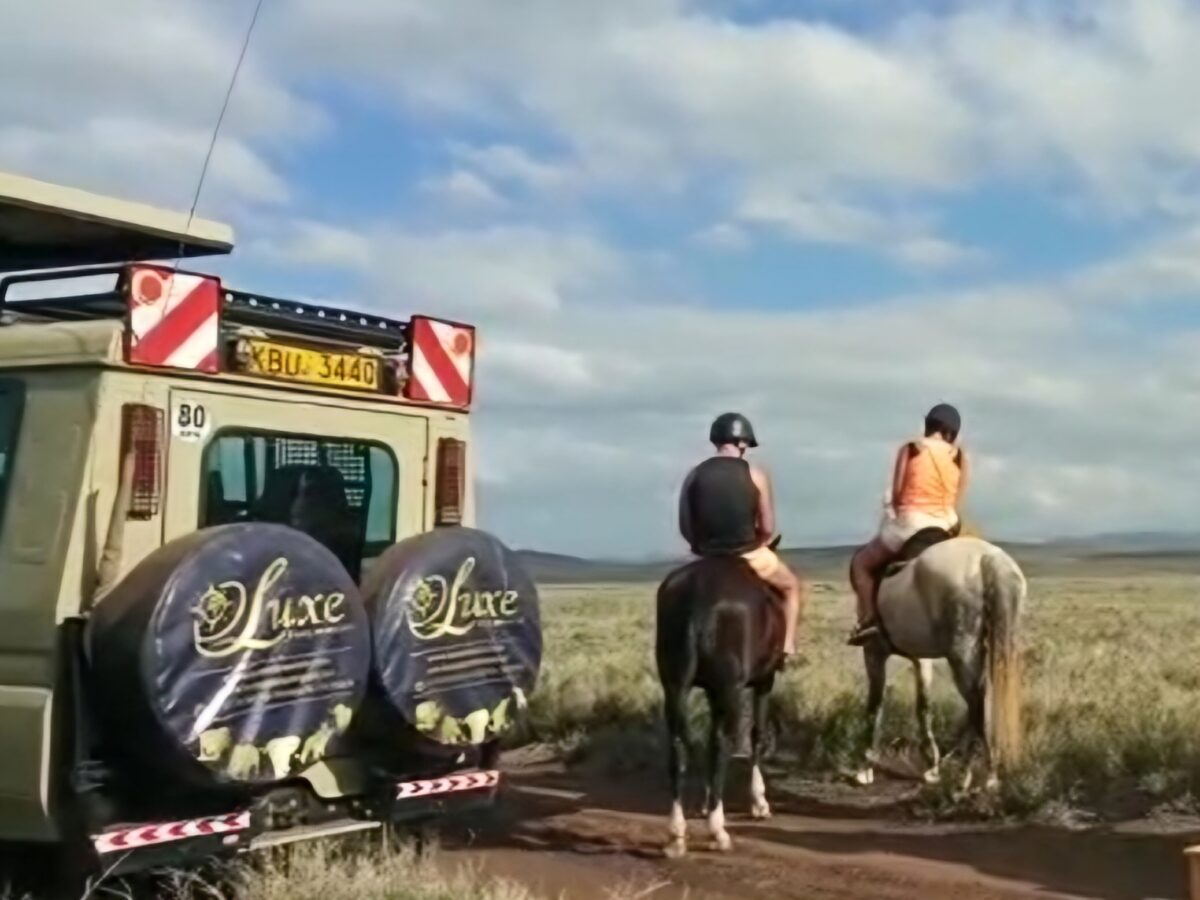
- Horse riding safaris
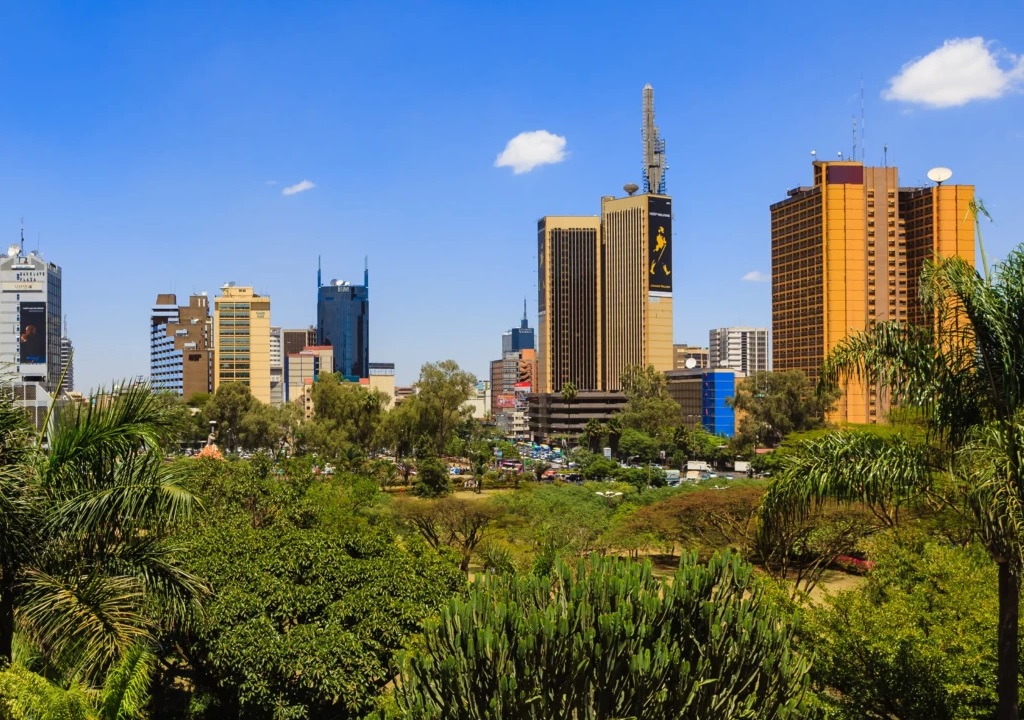
Geography & Landscape
Kenya’s landscapes are as diverse as its wildlife:
-
Masai Mara National Reserve – Iconic savannah and one of the best places to witness the Great Migration
-
Amboseli National Park – Spectacular views of Mount Kilimanjaro with elephants and big cats
-
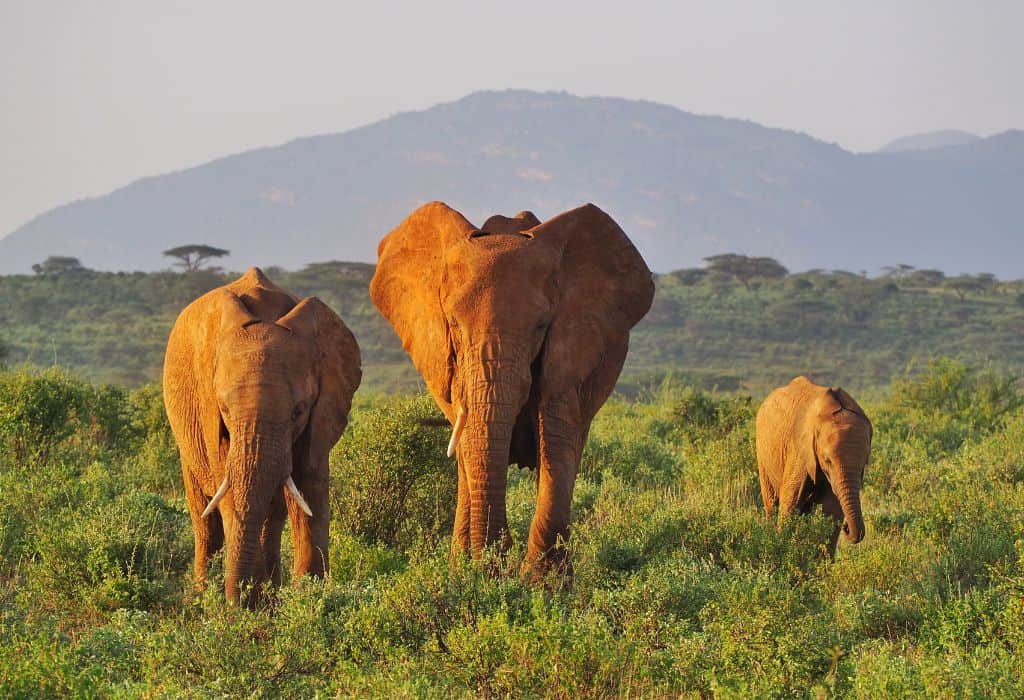
Tsavo East & West National Parks – Vast wilderness with red elephants, predators, and birdlife
-
Samburu National Reserve – Arid northern landscape with unique species and cultural encounters
-
Ol Pejeta & Lewa Conservancy – Cutting-edge conservation, including Northern White Rhino protection
-
Lake Nakuru National Park – Famous for flamingos and rhino populations
-
Mount Kenya – Africa’s second-highest peak with alpine scenery
Kenya’s geographic diversity ensures wildlife is concentrated around water sources and seasonal grazing areas, offering exceptional safari viewing year-round.
Seasonality & Best Time to Travel to Kenya
Kenya is a year-round safari destination, but each season offers distinct advantages. The country’s climate and wildlife patterns allow travelers to choose periods based on comfort, scenery, and animal activity.

Peak season (July–October) for Wildebeest Migration & Prime Game Viewing
This is widely considered the prime safari season. Days are sunny and dry, with cooler mornings and evenings, particularly from June through August. Vegetation is thinner, making wildlife easier to spot as animals gather around rivers and water sources.
- Ideal for first-time or repeat safari travellers, photographers, and those wanting peak wildlife action and the once in a lifetime Mara river wildebeest crossing.
- Wildlife concentrated around the parks and waterholes is higher
- Best overall wildlife viewing

Green Season (November– Mid December)
Short afternoon showers refresh the landscape, transforming the plains into vibrant shades of green. Temperatures remain warm and visitor numbers are lower.
- Ideal for repeat safari guests, bird lovers, and travellers seeking value and fewer crowds.
- Lush landscapes, excellent birdwatching, fewer crowds
- Perfect for combining safari with beach escapes
- Better lodge availability and attractive rates

Low season - (March–May /June)
This period brings heavier rainfall, lush scenery, and a quieter safari experience. While some camps close temporarily, those that remain open offer exceptional value and exclusivity.
- Ideal for experienced safari travellers seeking privacy and exceptional value
- Lower rates, peaceful camps, abundant migratory birds
- Lush green landscapes
- Exceptional photography opportunities
- Fewer tourists
Shoulder season - (January – February)
Warm, mostly dry conditions return, with clear skies and excellent visibility. Wildlife viewing remains strong, and many areas experience calving season, which attracts increased predator activity.
- Ideal for Wildlife enthusiasts who prefer quieter travel months with strong game viewing.
- Excellent game viewing
- Calving season in many areas (predator activity increases)
- Ideal beach weather on the Kenyan coast and Zanizbar
Where to visit and stay in Kenya
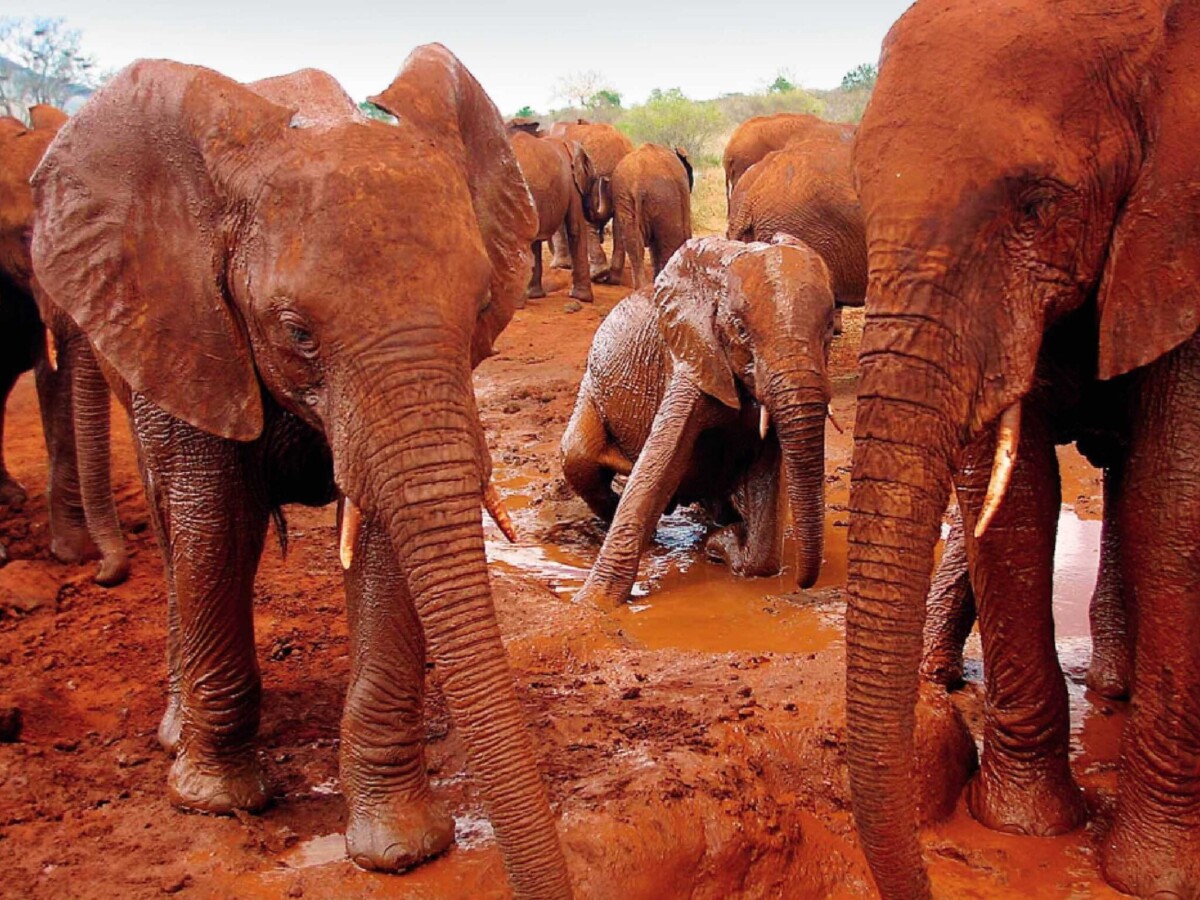

Tsavo National Park
Combined, Tsavo East and Tsavo West make Kenya’s biggest park, one of the world’s largest game sanctuaries. Despite this, the parks have a lower population of wildlife and difficult to spot the animals in the dense acacia.
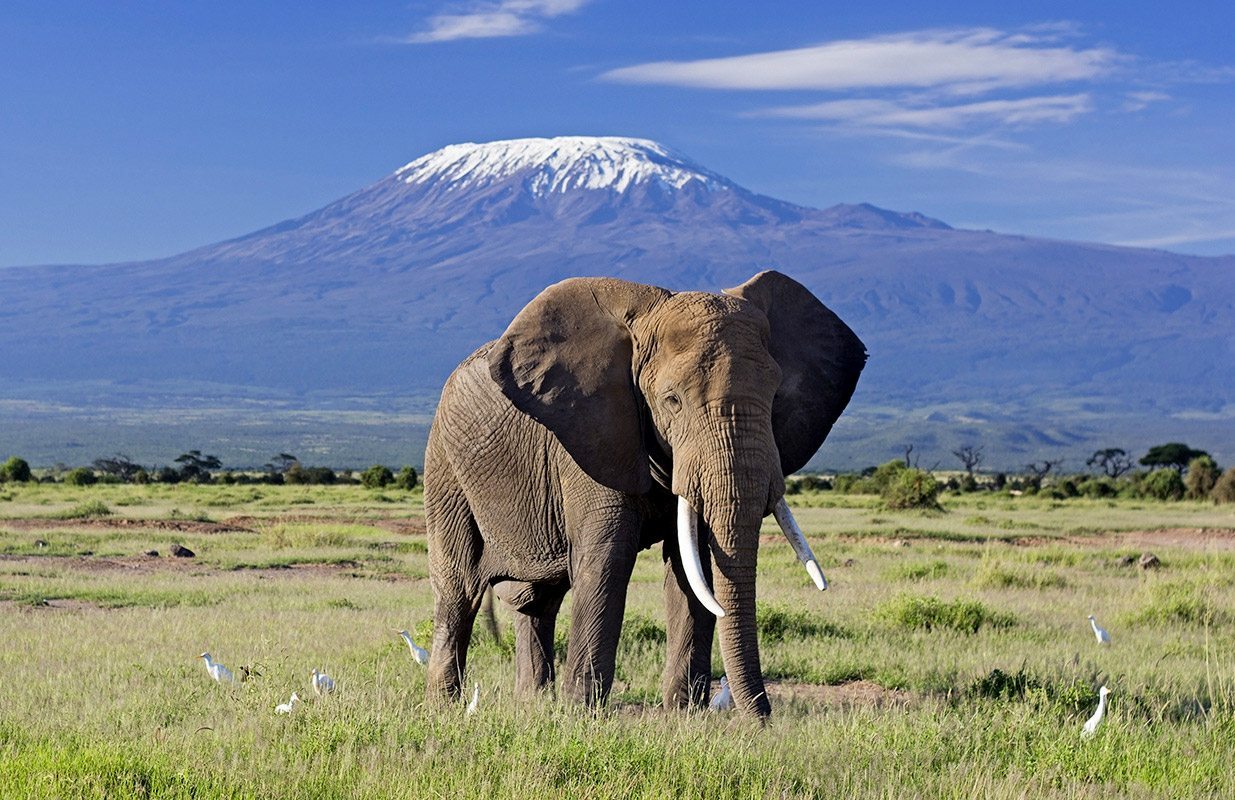
Amboseli National Park
Positioned in the south of Kenya on the border with Tanzania, Amboseli National Park has spectacular views of the snow-capped peaks of Mount Kilimanjaro – Africa’s tallest mountain.
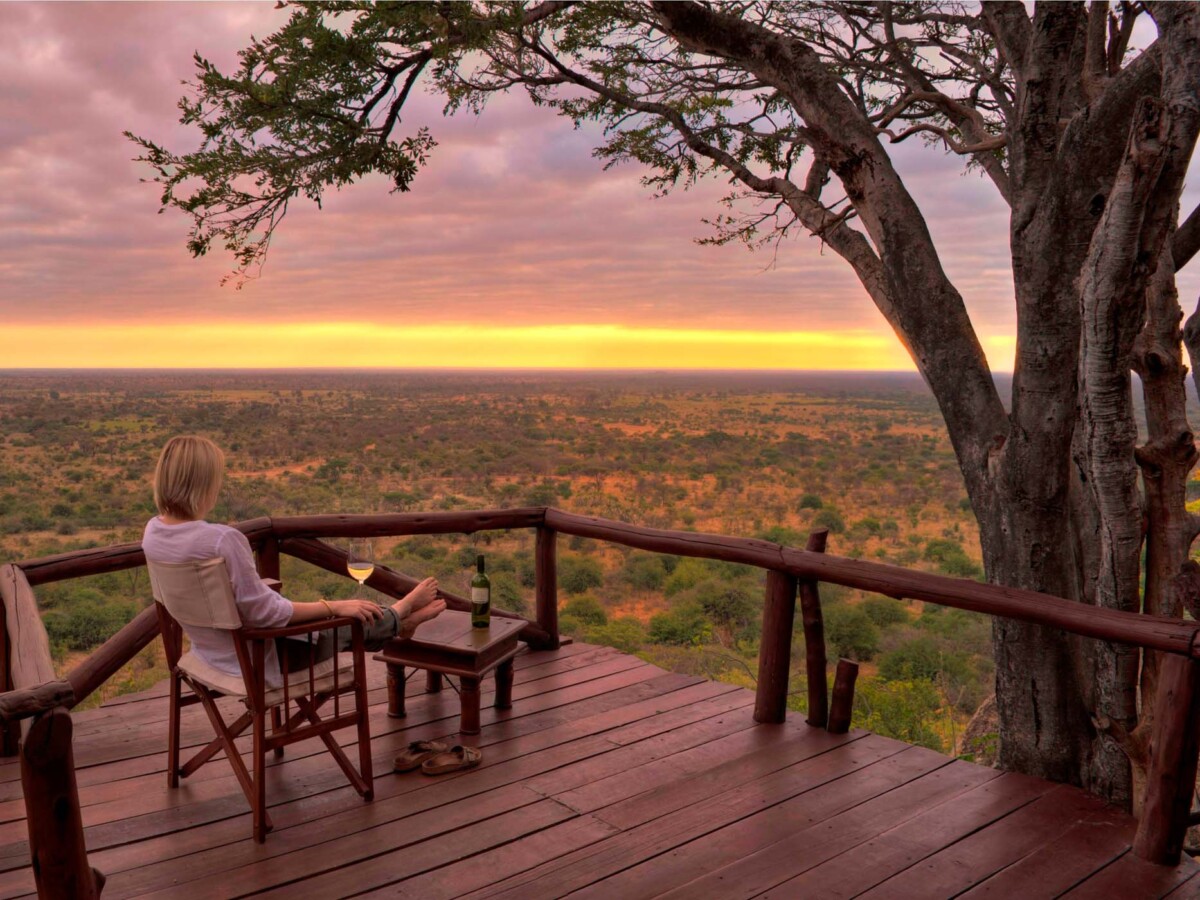
Meru National Park
Made famous by conservationists George and Joy Adamson and the film and book Born Free, the story of Elsa the lioness, Meru National Park has 13 rivers and supports a wide range of diverse habitats.
Lewa Conservancy
Lewa Wildlife Conservancy, located in northern Kenya, is a pioneering model of community-based conservation and sustainable wildlife management. In addition to its conservation efforts, Lewa is recognized for its sustainable tourism practices, with eco-friendly lodges and camps offering luxurious accommodations amidst the breathtaking scenery.
Samburu National Reserve
This arid northern area offers a wealth of animals, good game viewing, and a highly contrasting landscape with intimidating hills, mountains and majestic elephants. Samburu is remote, off the main tourist route and offers great cultural interaction and experiences.
Masai Mara
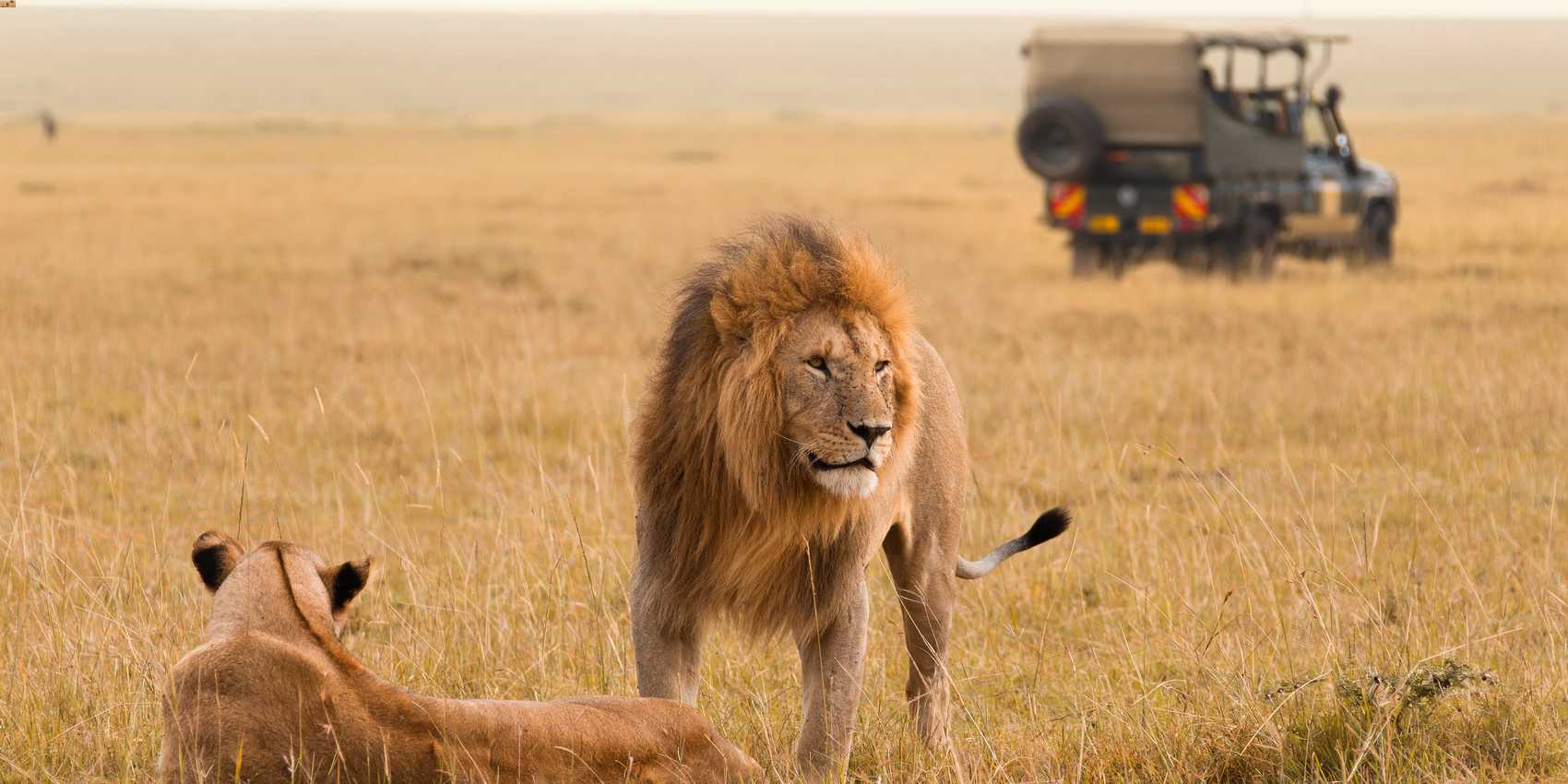
The Masai Mara is Kenya’s most famous nature reserve. It evokes the senses and inspire bucket list dreams. If you are dreaming about a safari, you are most probably dreaming of the Masai Mara. It is classic savannah with plenty of animals and spectacular vistas. Masai Mara is also the site of one of the most spectacular animal migrations in the world and home to a high concentration of the ’big five’ including lion, elephant, leopard, buffalo and rhino.
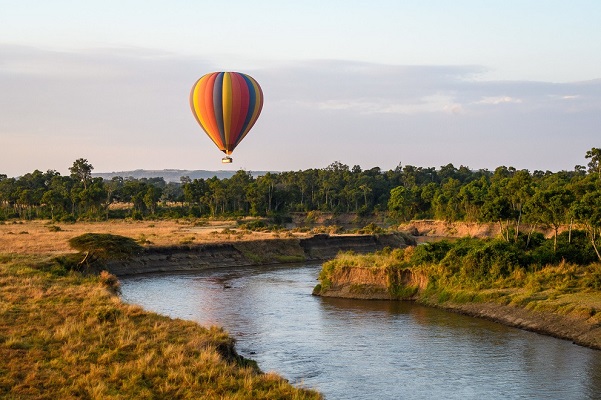
Private hot air balloon sunrise over the Mara.
Drift silently above the golden plains at first light, watching the vast herds awaken and the Mara River glint in the dawn. With champagne breakfast served on a private landing site and only your party in the basket, this is Kenya’s most poetic and exclusive way to witness the wilderness from above.
Planning your Safari to Kenya
Kenya is ideal for first-time safari travellers, wildlife photographers, honeymooners, and conservation enthusiasts seeking unforgettable wildlife encounters in iconic African landscapes.