
Kenya: The Heart of African Safaris
When envisioning African Safaris, Kenya and Masai Mara in particular often springs to mind as the quintessential destination. From the iconic plains of the Masai Mara to the snow-capped peaks of Mount Kenya and the palm-fringed Indian Ocean coast, Kenya offers a safari experience rich in diversity and timeless grandeur.
Exclusive lodges, expert guiding, and remarkable wildlife encounters including the dramatic Great Migration, safaris in Kenya offer a wealth of captivating and seamless blend of experiences, adventure, culture, and tranquil coastal indulgence.
Highlights
- Encounter Kenya’s “Special Five” (Grevy’s zebra, reticulated giraffe, Somali ostrich, gerenuk, Beisa oryx) in arid Samburu
- Enjoy big cat action, night drives, bush walks, and hot air balloon safaris in exclusive concessions
- Combine safari with relaxation on private white-sand beaches and turquoise waters of the Swahili Coast
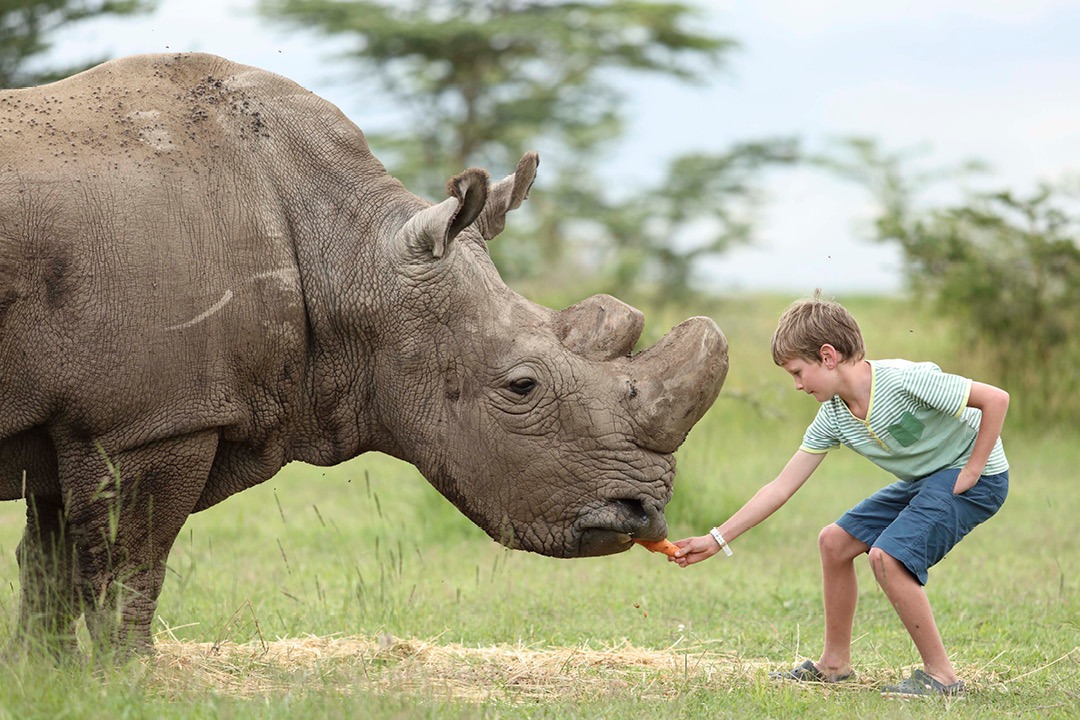
- From Ol Pejeta to Lewa Conservancy, Kenya is at the forefront of wildlife conservation, offering guests meaningful, behind-the-scenes conservation experiences.
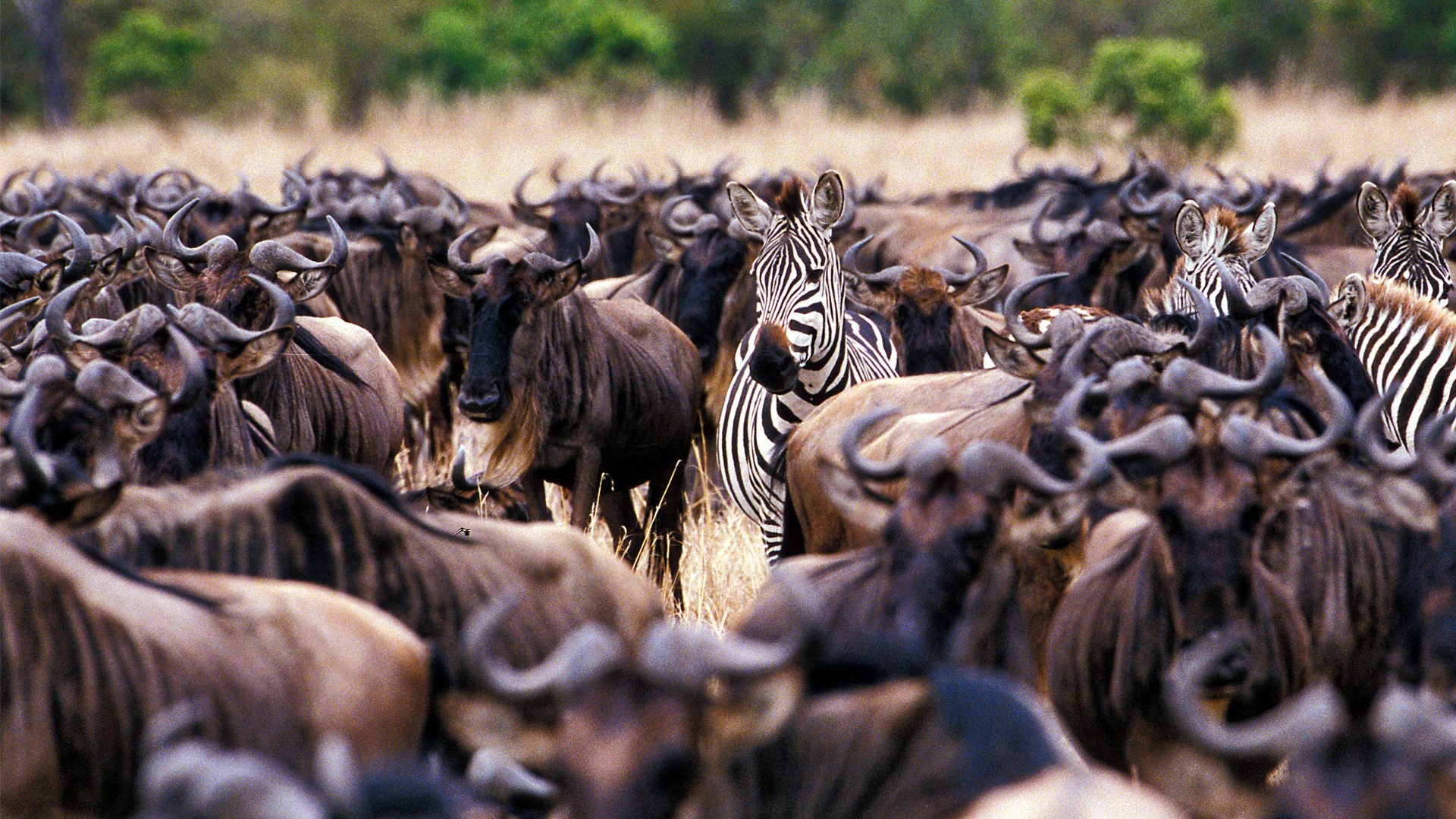
- Experience one of the most dramatic wildlife spectacles on Earth as thousands of wildebeest brave the crocodile-filled Mara River during the great wildebeest migration in Masai Mara
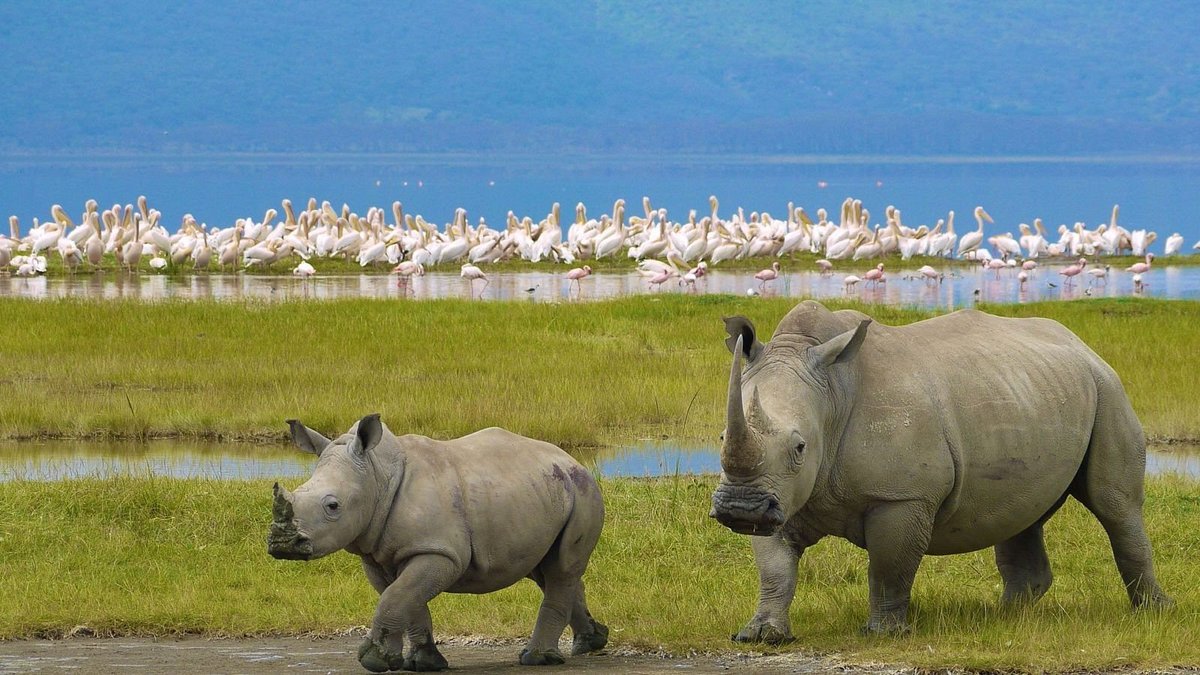
- Meet the Last Remaining Northern White Rhinos at Ol Pejeta Conservancy
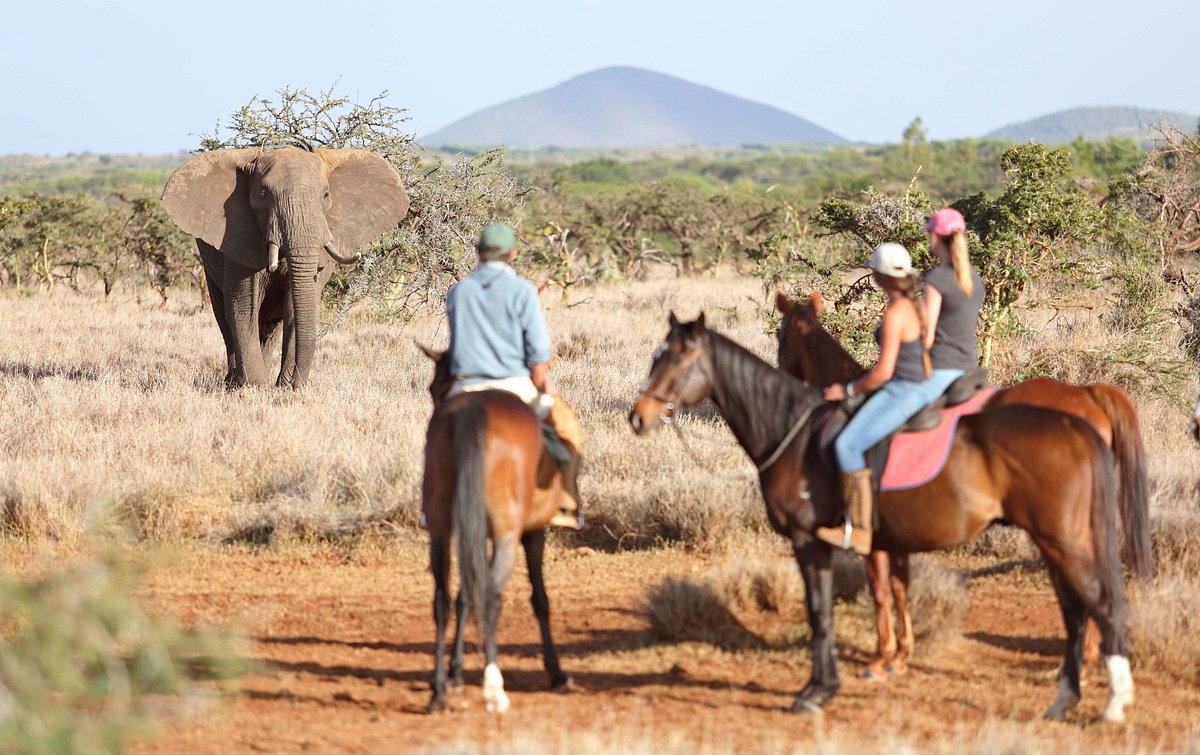
- Track Rhino on Foot in Laikipia
Step into the wild with expert guides for an intimate walking safari. Track endangered rhino on foot and experience the thrill of Africa at ground level — raw, real, and unforgettable. - Capture incredible wildlife photos from a photographic hide

Seasonality & Best Time to Travel to Kenya
Kenya is a year-round safari destination, with each season offering its own distinct atmosphere, wildlife experiences, and travel advantages. The best time to visit depends on what you would like to experience.

Dry Season (July–October) – Peak season for Wildebeest Migration & Prime Game Viewing
This is widely considered the prime safari season. Days are sunny and dry, with cooler mornings and evenings, particularly from June through August. Vegetation is thinner, making wildlife easier to spot as animals gather around rivers and water sources.
- Ideal for first-time or repeat safari travellers, photographers, and those wanting peak wildlife action and the once in a lifetime Mara river wildebeest crossing.
- Experience the dramatic Wildebeest Mara River crossings
- Wildlife concentrated around the parks and waterholes is higher
- Cooler, dry weather ideal for game drives and photography
- Best overall wildlife viewing

Green Season (November– Mid December)
Short afternoon showers refresh the landscape, transforming the plains into vibrant shades of green. Temperatures remain warm, and visitor numbers are lower.
- Ideal for repeat safari guests, bird lovers, and travellers seeking value and fewer crowds.
- Short rains (Nov–Dec) followed by warm, dry months (Jan–Feb)
- Lush landscapes, excellent birdwatching, fewer crowds
- Perfect for combining safari with beach escapes
- Better lodge availability and attractive rates

Shoulder season - (January – February)
Warm, mostly dry conditions return, with clear skies and excellent visibility. Wildlife viewing remains strong, and many areas experience calving season, which attracts increased predator activity.
- Ideal for Wildlife enthusiasts who prefer quieter travel months with strong game viewing.
Excellent game viewing - Calving season in many areas (predator activity increases)
- Ideal beach weather on the Kenyan coast
Low season - (March–May /June)
This period brings heavier rainfall, lush scenery, and a quieter safari experience. While some camps close temporarily, those that remain open offer exceptional value and exclusivity.
- Ideal for experienced safari travellers seeking privacy and exceptional value
- Lower rates, peaceful camps, abundant migratory birds
- Heavier and more consistent rainfall
- Lush green landscapes
- Exceptional photography opportunities
- Fewer tourists
- Attractive rates at luxury lodges
Conservation & Responsible Travel
- Supporting local economies and empowering families
- Reducing your environmental footprint
- Helping preserve wildlife habitats
- Aligning your travel with your personal values
The true magic of Africa is found not only in its breathtaking landscapes and remarkable wildlife, but in the warmth and spirit of its people. Throughout your journey, thoughtful choices can make a meaningful difference to the communities and environments you visit.
- Visit community-led tourism initiatives
- Purchase handmade crafts directly from local artisans
- Participate in reforestation or conservation activities
- Opt for more environmentally conscious transfer options where available
- Replace single-use plastics with refillable water bottles
- Tip safari staff directly, supporting families and multigenerational households
Community Empowerment as Conservation
Conservation succeeds when communities are part of the solution. We:
- Support locally owned enterprises
- Promote cultural tourism experiences
- Partner with community conservancies
- Provide market access for community-made safari accessories
By ensuring tourism revenue flows directly to local communities, we strengthen the link between livelihoods and conservation.
Waste Reduction & Plastic-Free Safaris
We promote responsible travel practices including:
- Refillable water flasks instead of single-use plastics
- Supporting lodges with zero-waste policies
- Encouraging responsible waste disposal in remote areas
Many properties use solar power, refuse single-use plastics and partner with nearby communities through skills development and long-term job creation.
Partnering with Conservation-Focused Camps & Conservancies
We prioritise working with lodges and private conservancies that:
- Fund anti-poaching units and ranger patrols
- Operate under strict wildlife protection policies
- Limit vehicle numbers for low-impact game viewing
- Support habitat restoration initiatives
By directing bookings to these properties, tourism directly funds conservation on the ground.
Carbon Conscious Travel
We encourage and facilitate:
- Carbon offset programmes
- Use of solar-powered camps and electric safari vehicles where available
- Efficient flight routing and sustainable transport options
We continuously seek ways to reduce the environmental footprint of each itinerary.
Kenya Experiences

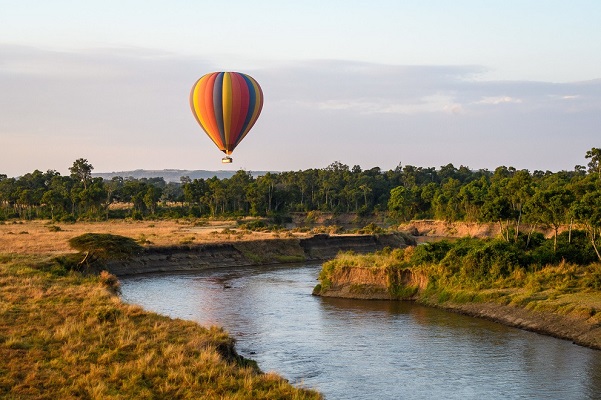
Private hot air balloon sunrise over the Mara.
Drift silently above the golden plains at first light, watching the vast herds awaken and the Mara River glint in the dawn. With champagne breakfast served on a private landing site and only your party in the basket, this is Kenya’s most poetic and exclusive way to witness the wilderness from above.
How Long Should You Spend on a Safari in Kenya?
To truly experience Kenya’s extraordinary landscapes and wildlife, we recommend around 10 days — the ideal timeframe for a well-paced and immersive safari.
Ten days allows you to explore the legendary Maasai Mara, discover the raw beauty of Samburu, and take in the iconic views of Amboseli and Tsavo, all while maintaining a thoughtful balance between adventure and relaxation.
Within this timeframe, you can enjoy multiple game drives across Kenya’s most celebrated parks and conservancies, maximise your chances of witnessing the Great Migration (season permitting), and encounter the Big Five in their natural habitat. The experience feels comprehensive without being rushed.
For those seeking something even more bespoke, your journey can easily be extended beyond the savannah. You might unwind on the pristine shores of Lamu, where Swahili culture and barefoot luxury meet, or visit elephant sanctuaries and conservation projects for a deeper understanding of Kenya’s wildlife protection efforts.
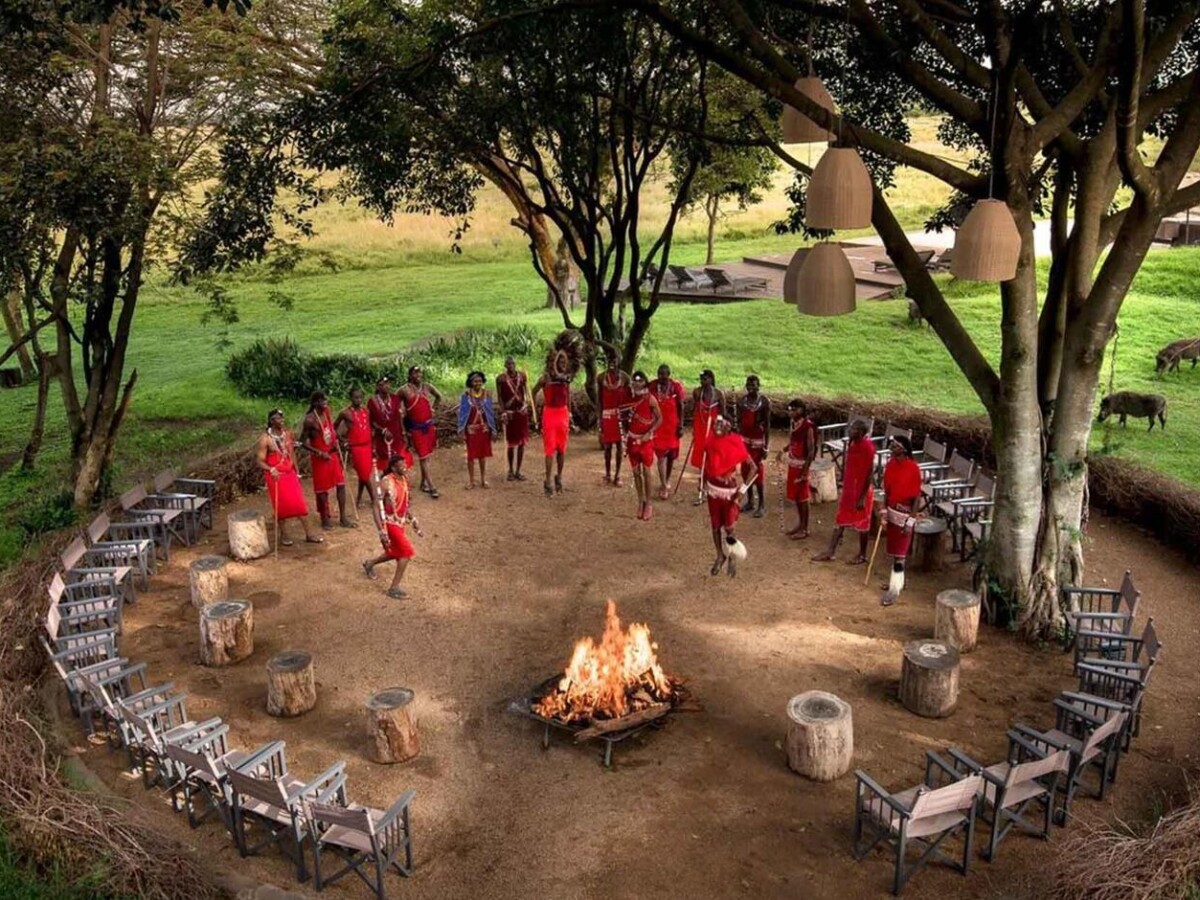

Classic Kenya honeymoon holiday package
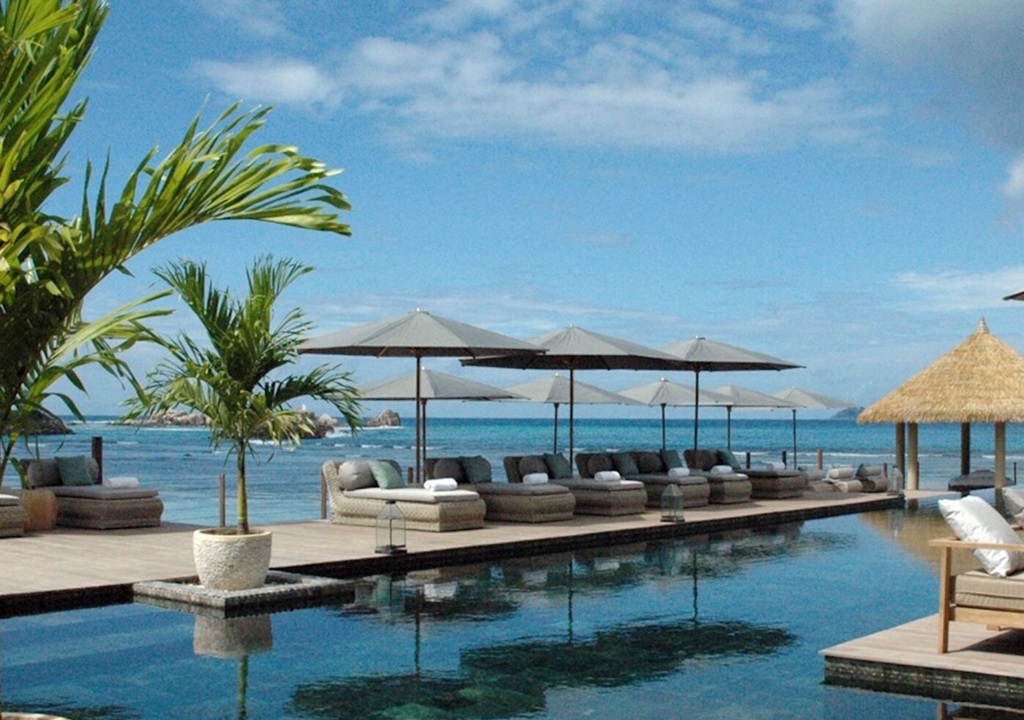
Kenya Safari and Seychelles holiday