Tanzania: Tanzania is Africa on a grand scale
Tanzania is Africa on a grand scale — vast plains, volcanic craters, and wildlife spectacles that define the very essence of safari.
Home to the legendary Serengeti and the Great Migration, Tanzania offers some of the most dramatic wildlife encounters on the continent. Descend into the Ngorongoro Crater, where one of the densest concentrations of wildlife on earth thrives within an ancient volcanic caldera. Explore the remote wilderness of Ruaha or Nyerere National Park for a more exclusive, off-the-beaten-path experience.
Beyond the savannah, Tanzania’s coastline and the island of Zanzibar provide the perfect bush-and-beach combination — white sands, turquoise waters, and rich Swahili culture.
Highlights
-
Highlights
-
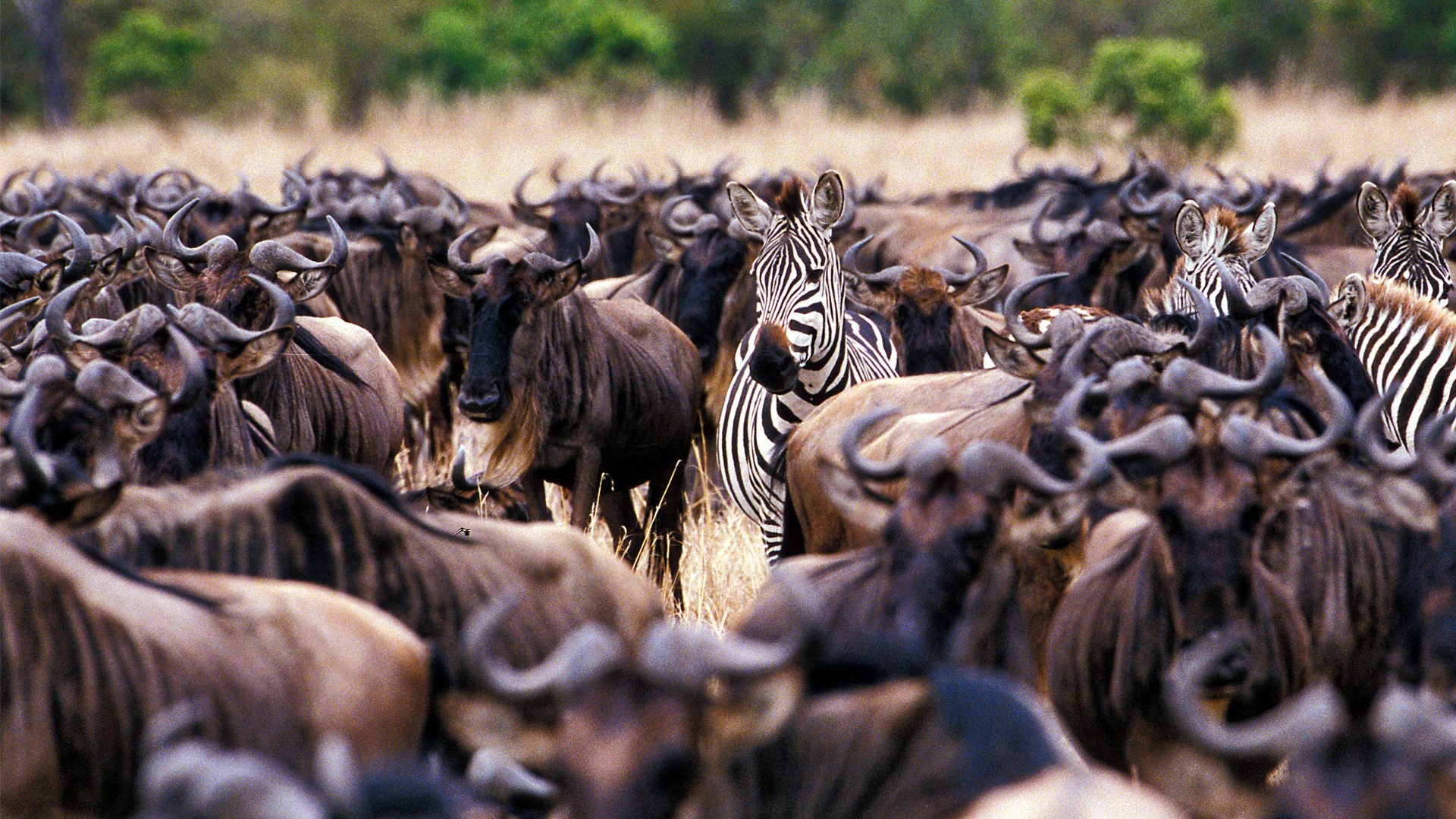
Experience the awe-inspiring Great Wildebeest Migration in Serengeti National Park, where millions of wildebeest, zebras, and gazelles move across the vast plains.
-
Embark on a thrilling game drive in Ngorongoro Crater, the world’s largest intact volcanic caldera, home to a staggering array of wildlife.
-
Explore Tarangire National Park, renowned for its majestic elephants and iconic baobab trees.
-
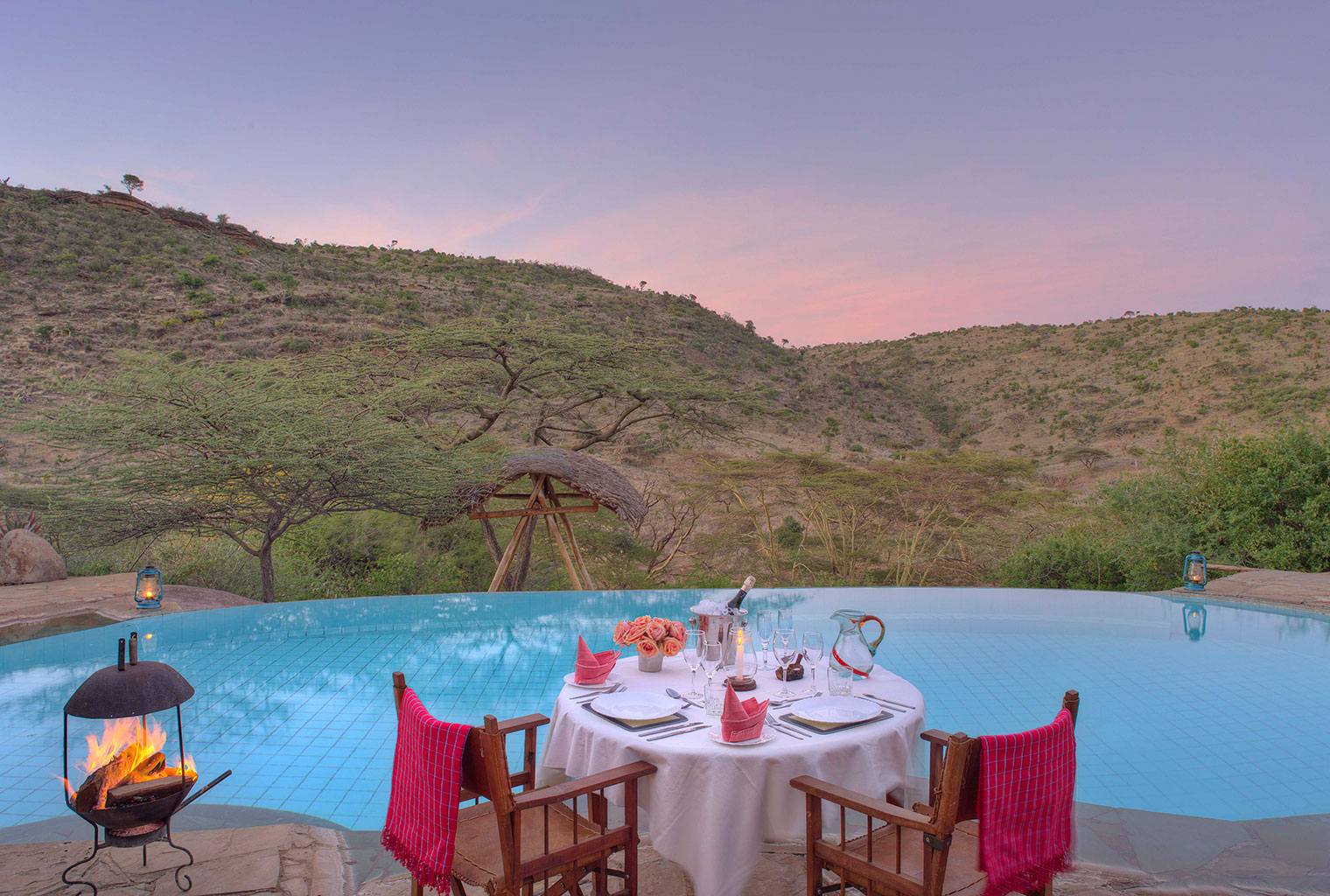
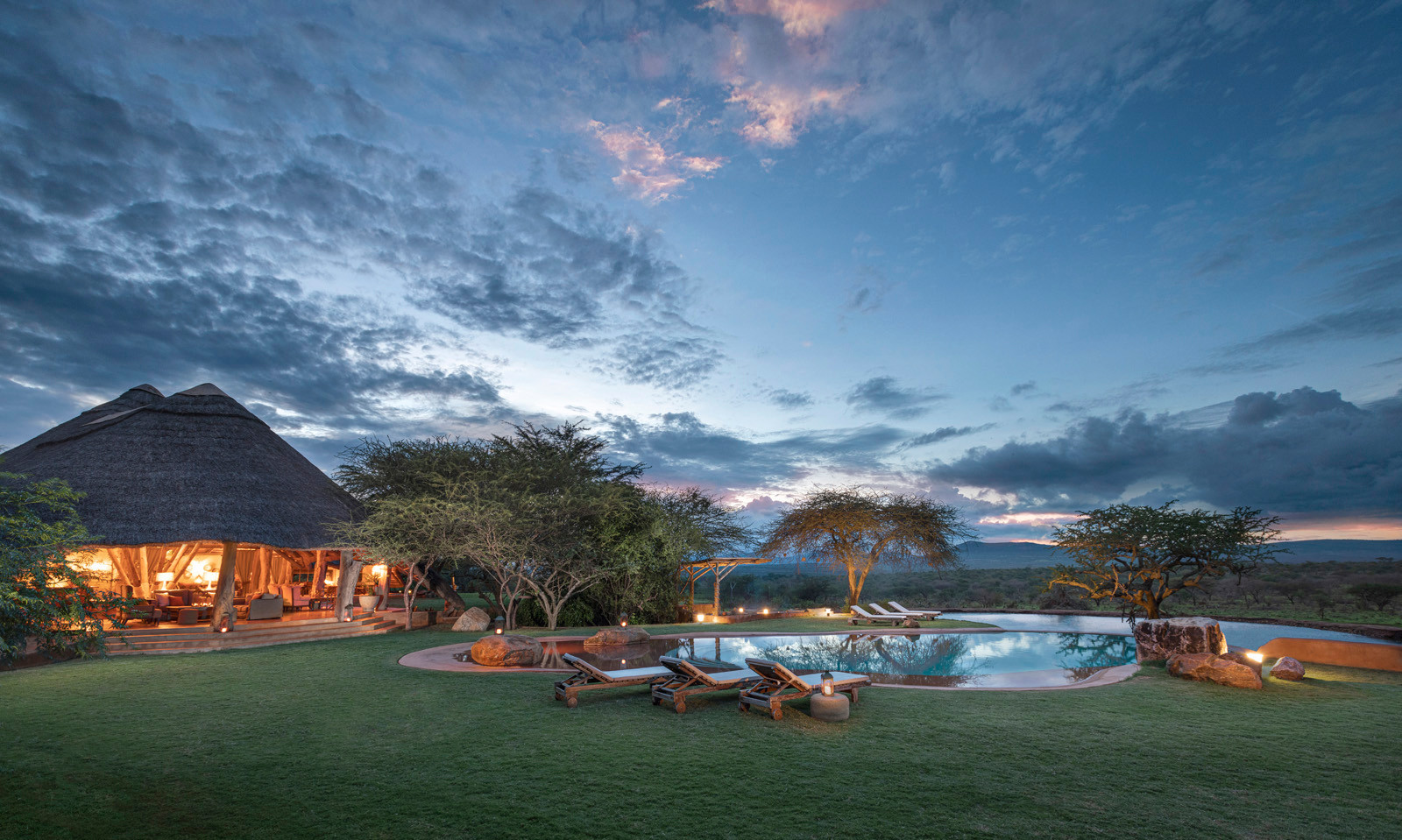
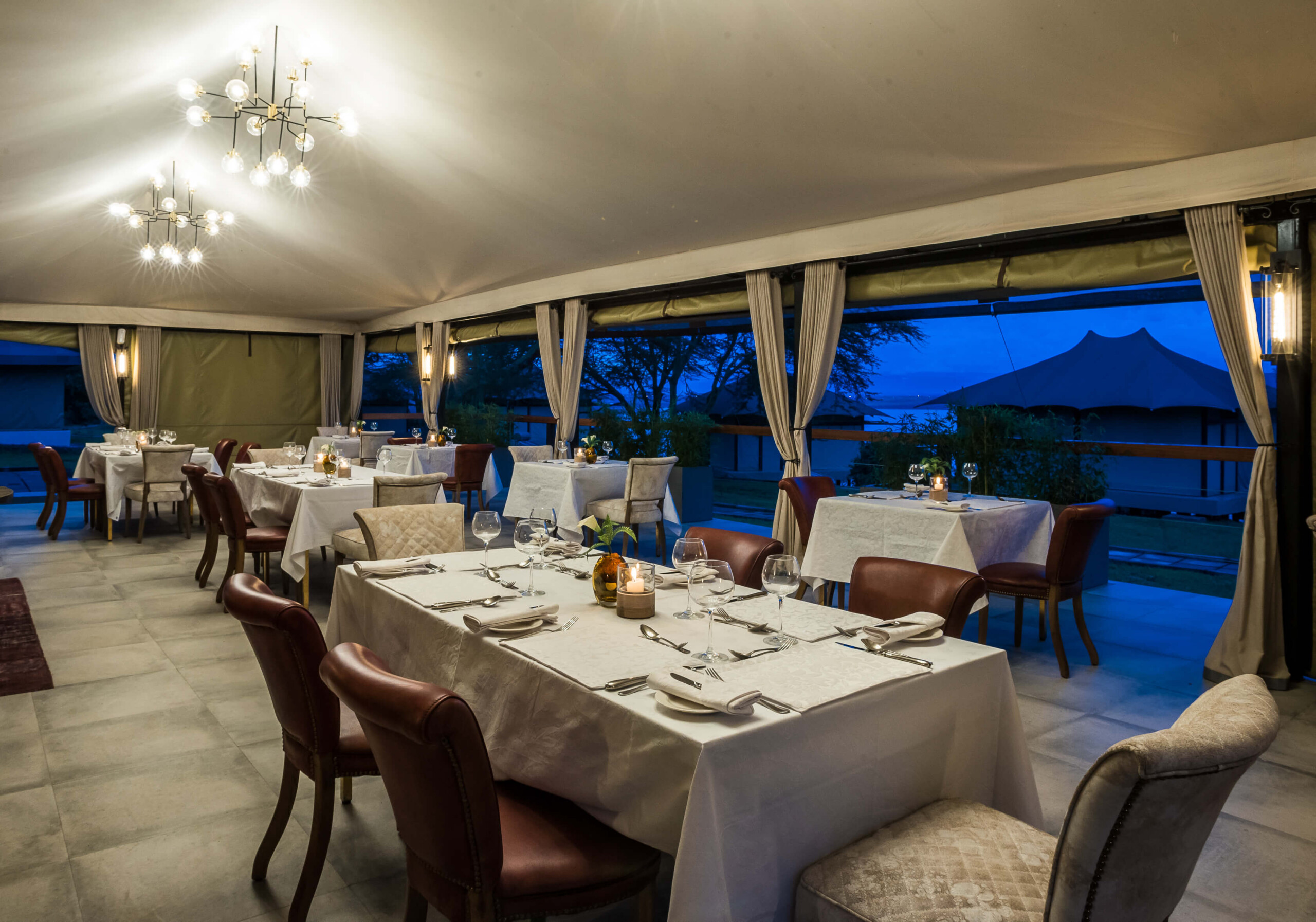
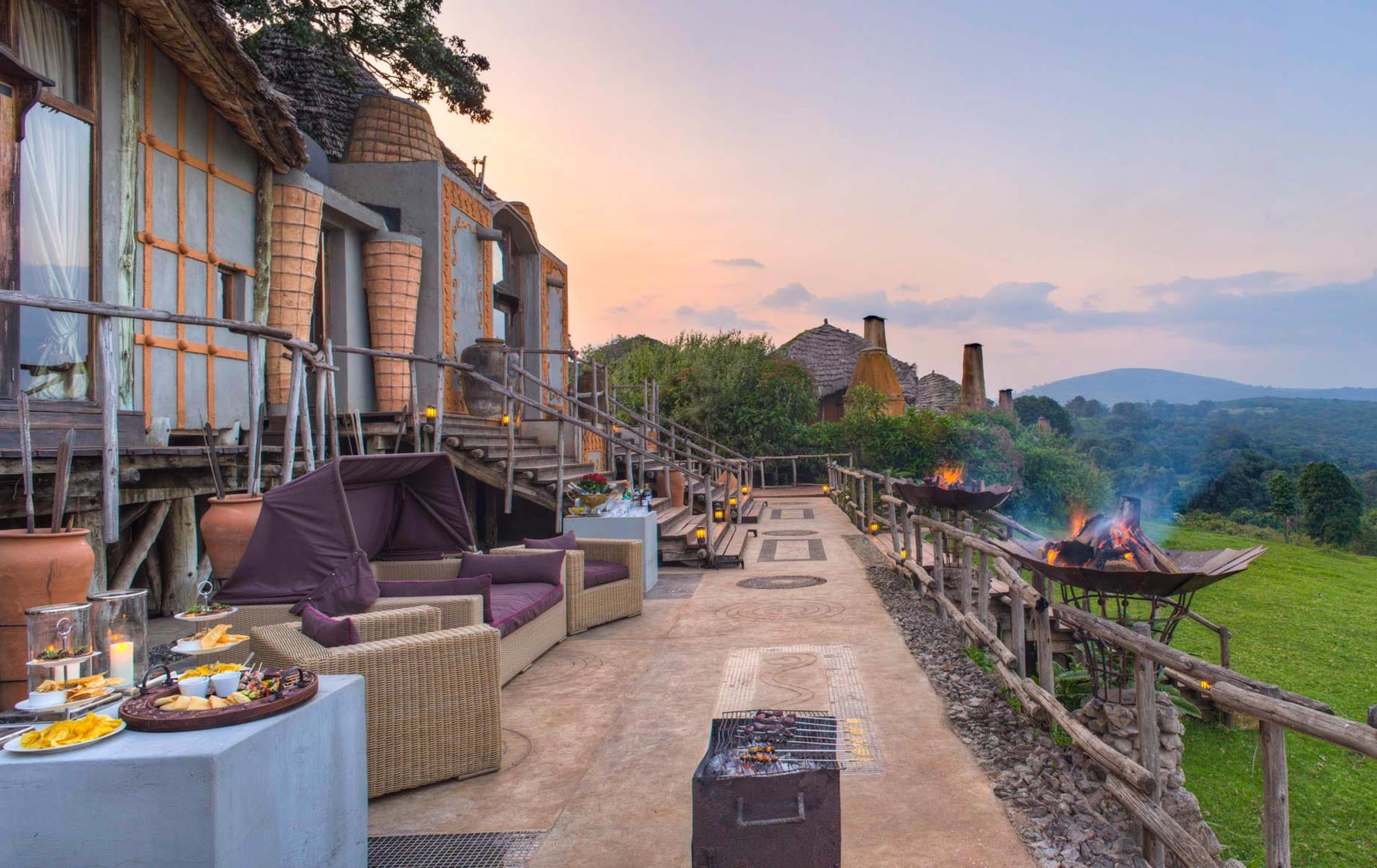
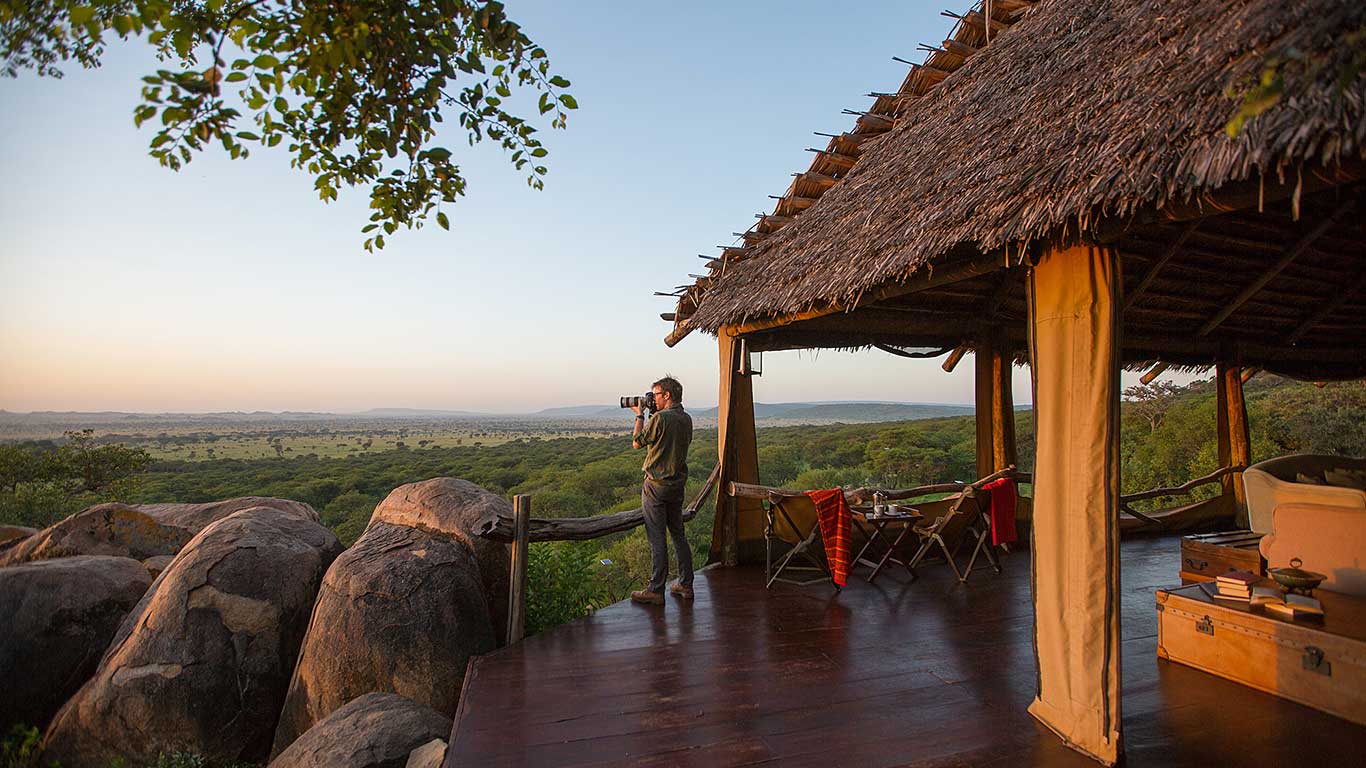
Enjoy the luxury and exclusivity of Tanzania’s private concessions and luxury lodges.
-
Combine safari adventure with relaxation on the idyllic beaches of Zanzibar, offering crystal-clear waters and rich Swahili culture.
-
Engage in a thrilling walking safari or climb Mount Kilimanjaro, Africa’s highest peak.
-
-
Official Name: United Republic of Tanzania
-
Capital City: Dodoma (though Dar es Salaam remains the commercial hub)
-
Population: Approximately 61.5 million
-
Official Languages: Swahili and English
-
Currency: Tanzanian Shilling (TZS); USD is widely accepted, especially for safaris
-
Geographical Area: 945,087 square kilometers, making Tanzania one of the largest countries in Africa
-
Time Zone: East Africa Time (EAT), 3 hours ahead of GMT
-
International Airport: Julius Nyerere International Airport (DAR) in Dar es Salaam
Seasonality & Best Time to Travel to Tanzania
Tanzania offers a year-round safari experience, but the best time to visit depends on your interests, from wildlife viewing to cultural explorations and beach escapes.

Dry Season (June – October) – Peak Safari Season
This short rainy season transforms Tanzania’s landscape into lush, vibrant green, creating a picturesque setting for safaris. The rainfall also brings excellent birdwatching opportunities, and you’ll experience fewer crowds and better rates for accommodations.
-
Ideal for: Repeat safari travelers, birdwatching enthusiasts, and those seeking quieter, more budget-friendly experiences.
-
Highlights: Fewer tourists, birdwatching, lush landscapes, and opportunities to combine a safari with a beach holiday on Zanzibar.

Green Season (November – Mid December)
This short rainy season transforms Tanzania’s landscape into lush, vibrant green, creating a picturesque setting for safaris. The rainfall also brings excellent birdwatching opportunities, and you’ll experience fewer crowds and better rates for accommodations.
-
Ideal for: Repeat safari travelers, birdwatching enthusiasts, and those seeking quieter, more budget-friendly experiences.
-
Highlights: Fewer tourists, birdwatching, lush landscapes, and opportunities to combine a safari with a beach holiday on Zanzibar.

Low Season (March – May)
The long rains mark the low season in Tanzania, but this period also offers the chance to explore in peaceful solitude. The landscapes are lush and green, making for incredible photography opportunities. Many camps and lodges offer special rates, and you’ll encounter fewer crowds, though some camps may close for maintenance.
-
Ideal for: Experienced safari travelers, photographers, and those seeking privacy and good value.
-
Highlights: Lower rates, lush landscapes, fewer tourists, and exceptional value for safari and accommodation.
Shoulder Season (January – February)
With warm, dry conditions and fewer crowds, this is an excellent time to visit Tanzania for game viewing, especially as many animals give birth in the Serengeti, leading to higher predator activity.
-
Ideal for: Wildlife enthusiasts, couples, and families seeking a quieter, less-crowded safari experience.
-
Highlights: Ideal for wildlife viewing, calving season, excellent visibility, and mild weather on the coast.
Where visit and stay in Tanzania
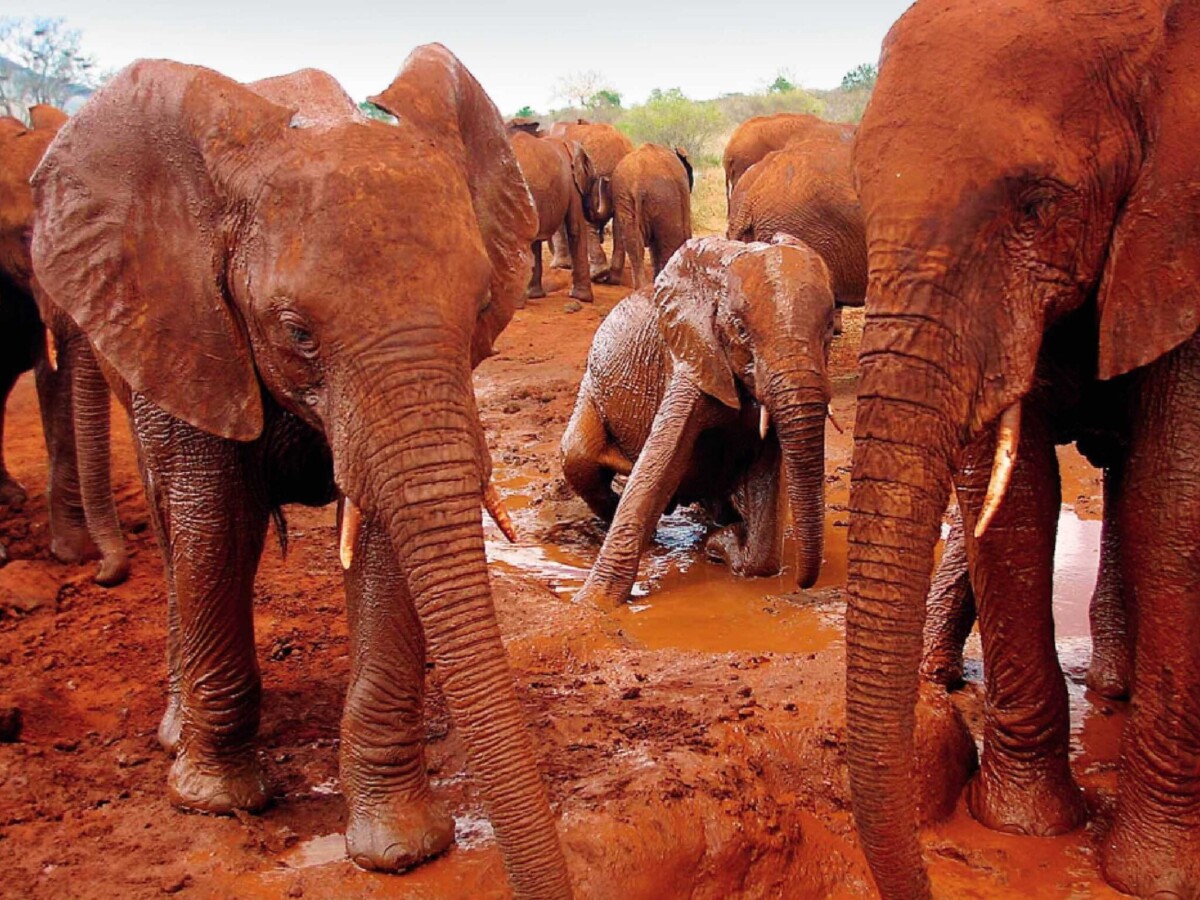

Tsavo National Park
Combined, Tsavo East and Tsavo West make Kenya’s biggest park, one of the world’s largest game sanctuaries. Despite this, the parks have a lower population of wildlife and difficult to spot the animals in the dense acacia.
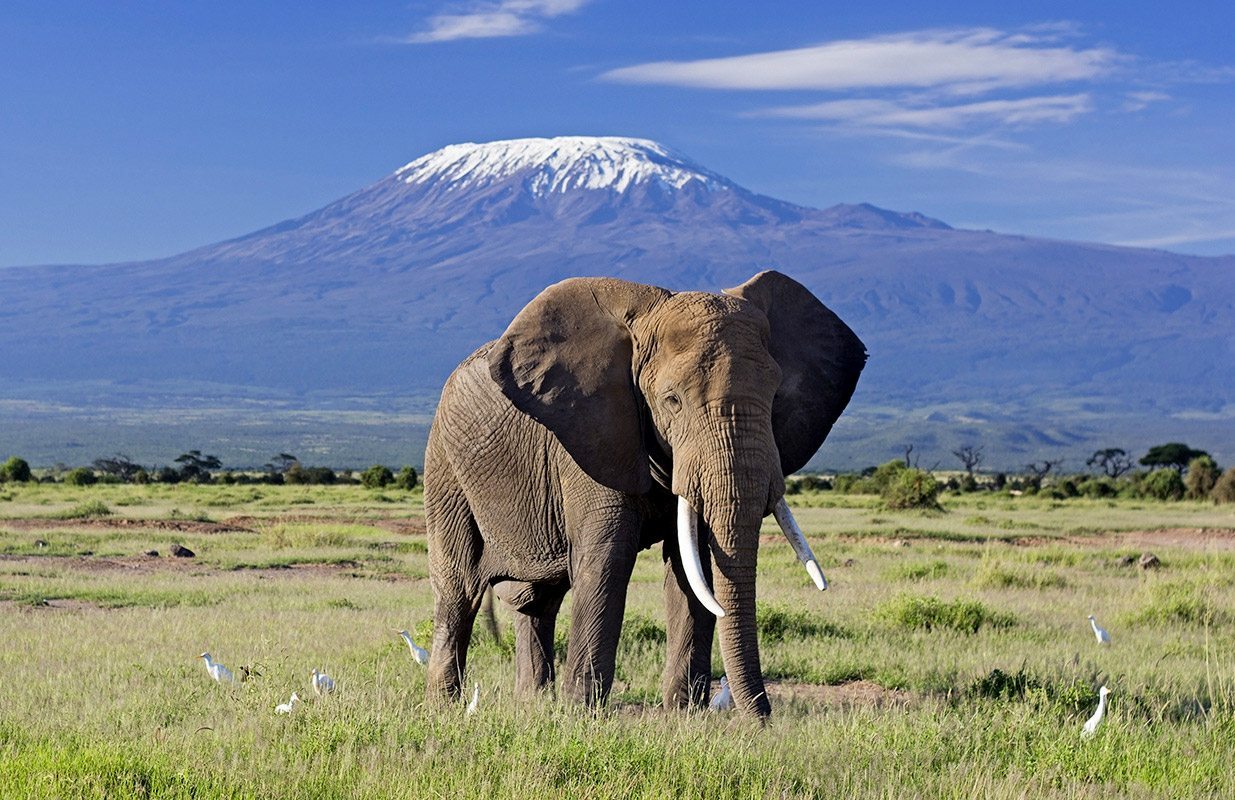
Amboseli National Park
Positioned in the south of Kenya on the border with Tanzania, Amboseli National Park has spectacular views of the snow-capped peaks of Mount Kilimanjaro – Africa’s tallest mountain.
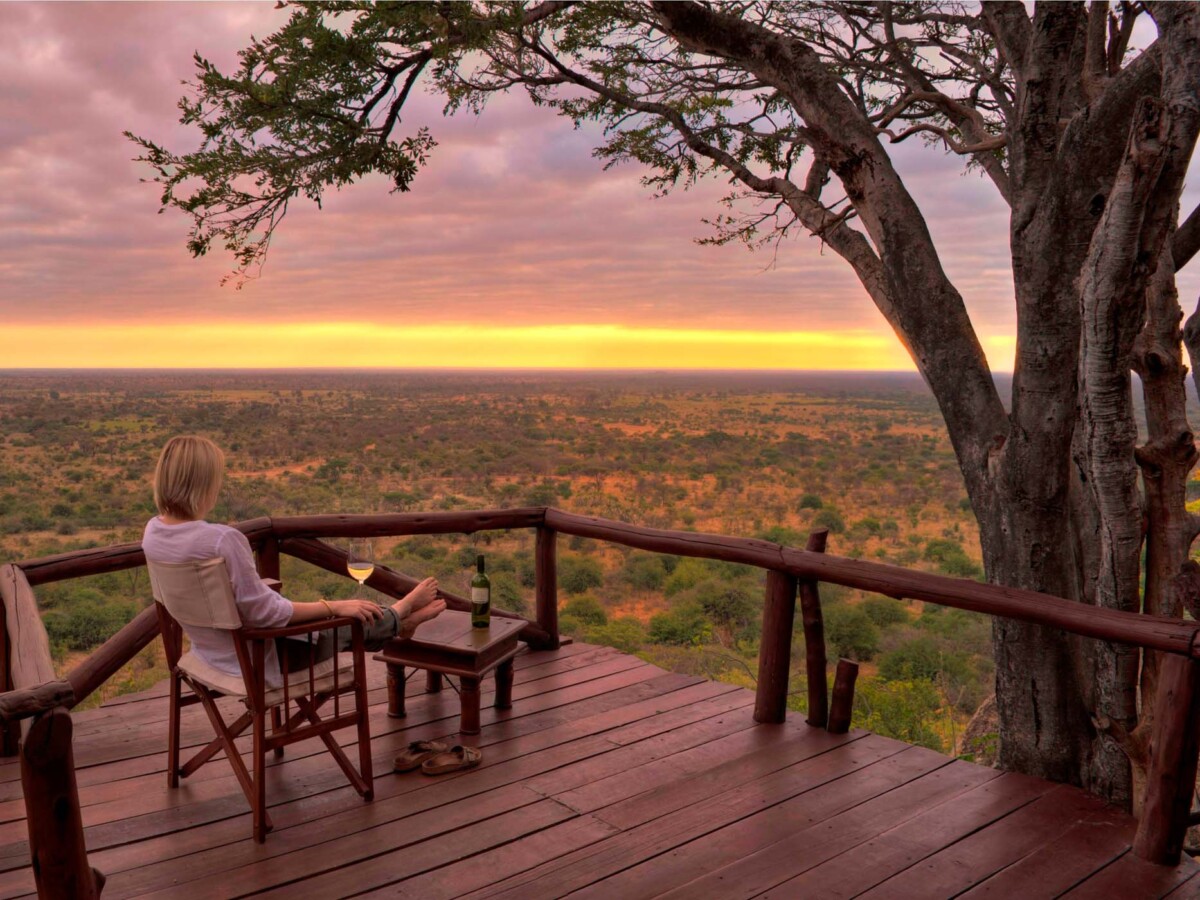
Meru National Park
Made famous by conservationists George and Joy Adamson and the film and book Born Free, the story of Elsa the lioness, Meru National Park has 13 rivers and supports a wide range of diverse habitats.
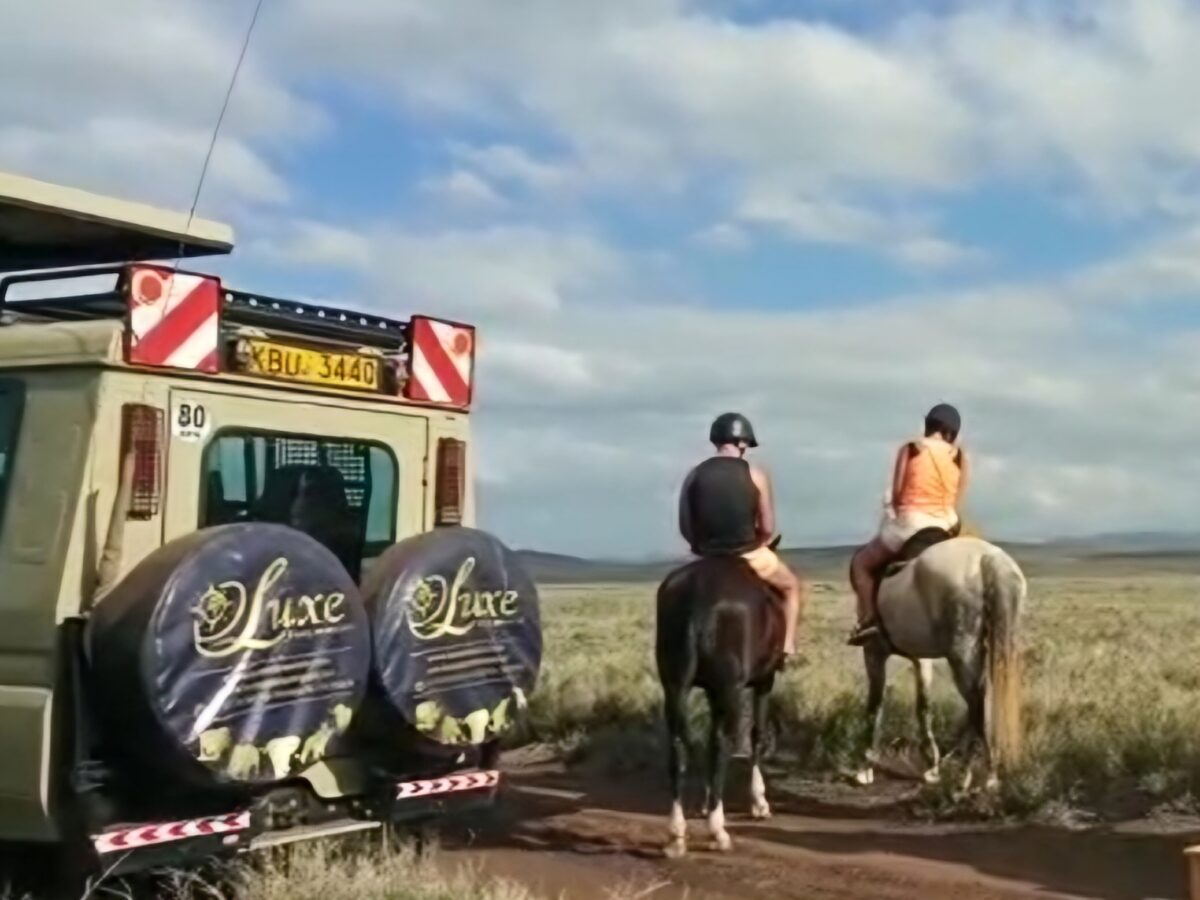
Lewa Conservancy
Lewa Wildlife Conservancy, located in northern Kenya, is a pioneering model of community-based conservation and sustainable wildlife management. In addition to its conservation efforts, Lewa is recognized for its sustainable tourism practices, with eco-friendly lodges and camps offering luxurious accommodations amidst the breathtaking scenery.
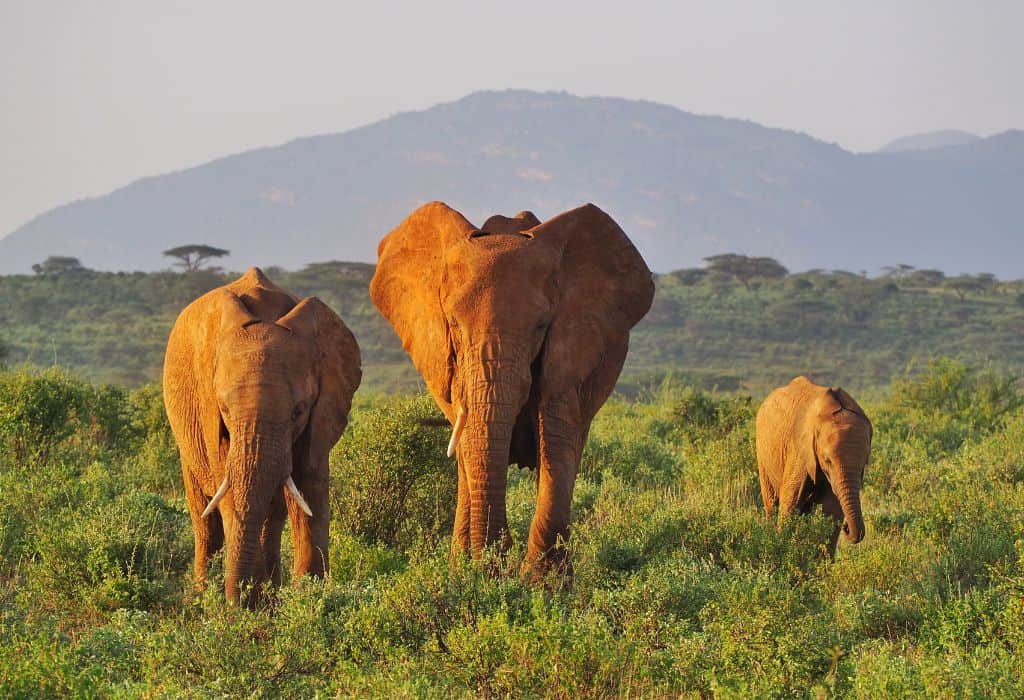
Samburu National Reserve
This arid northern area offers a wealth of animals, good game viewing, and a highly contrasting landscape with intimidating hills, mountains and majestic elephants. Samburu is remote, off the main tourist route and offers great cultural interaction and experiences.
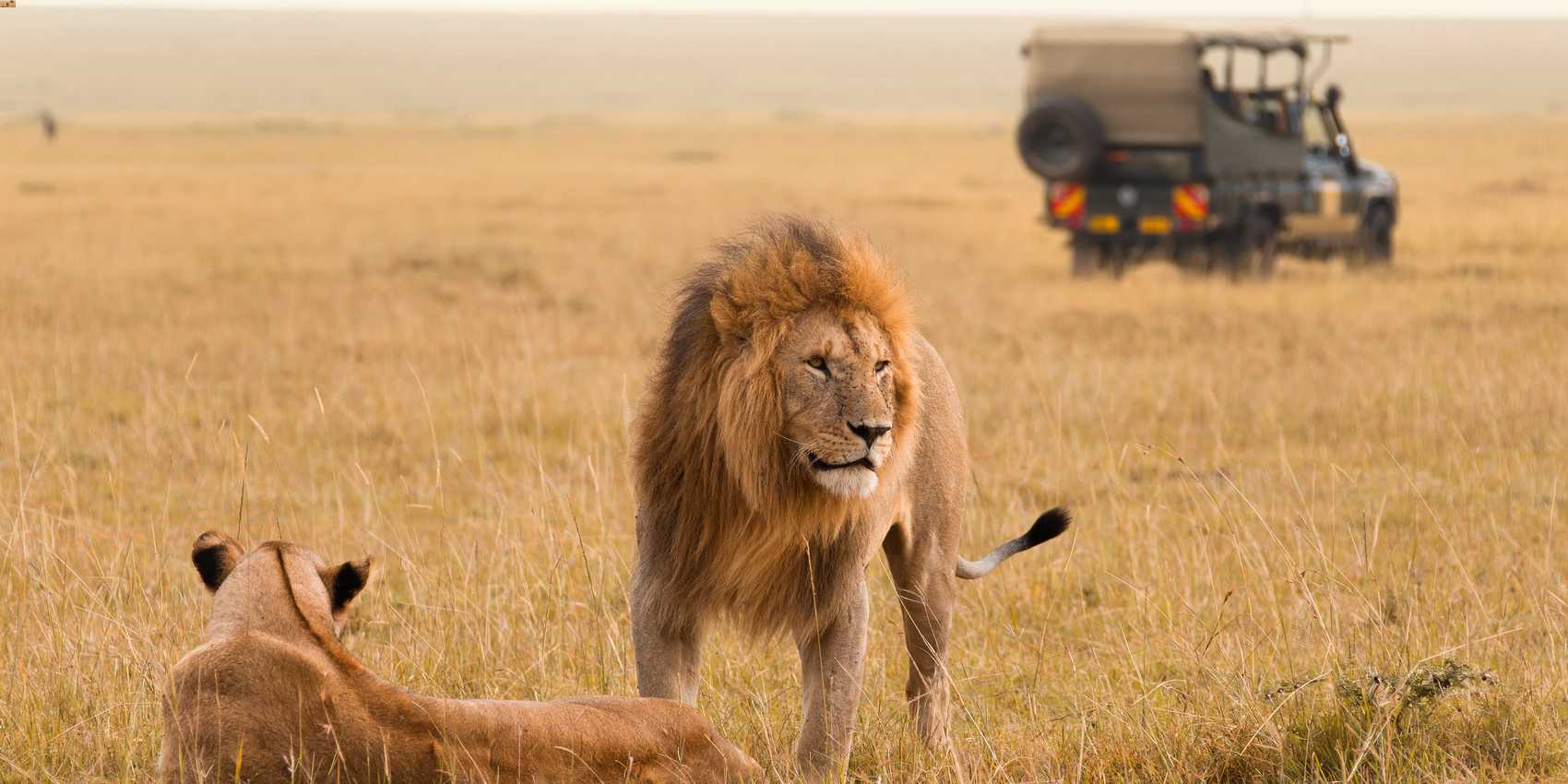
Masai Mara
The Masai Mara is Kenya’s most famous nature reserve. It evokes the senses and inspire bucket list dreams. If you are dreaming about a safari, you are most probably dreaming of the Masai Mara. It is classic savannah with plenty of animals and spectacular vistas. Masai Mara is also the site of one of the most spectacular animal migrations in the world and home to a high concentration of the ’big five’ including lion, elephant, leopard, buffalo and rhino.
Serengeti National Park
Renowned for its vast plains and iconic wildlife, including the famous Big Five, the Serengeti is where you can witness the Great Wildebeest Migration and experience unparalleled game viewing.
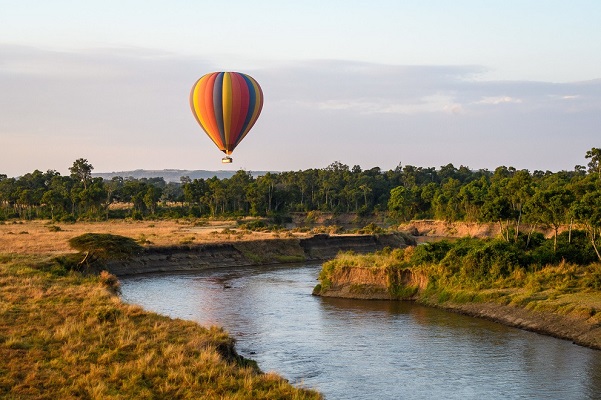
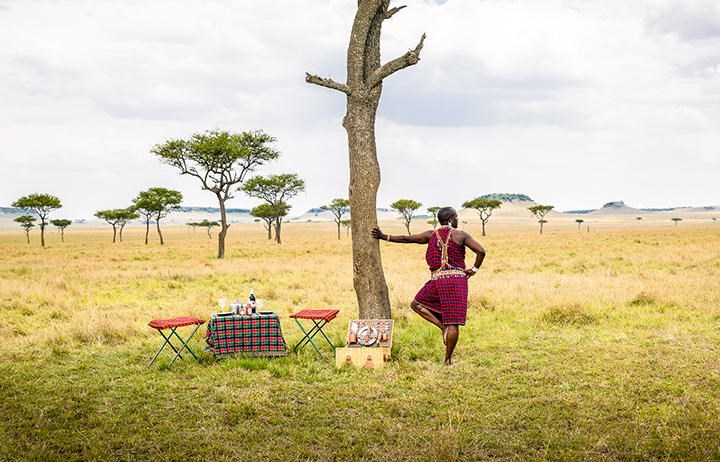
Planning your Tanzania Safari
A 10-day safari is perfect for exploring Tanzania’s highlights, from the Serengeti and Ngorongoro Crater to the Selous Game Reserve and Mount Kilimanjaro. This duration allows for a relaxed pace with plenty of game drives, cultural experiences, and beach relaxation.
For those with less time, 5–7 days will still give you the chance to experience some of the best wildlife and landscapes that Tanzania has to offer, with the Serengeti and Ngorongoro Crater as key highlights.
Tanzania’s diverse landscapes, incredible wildlife, and world-class lodges make it a must-visit destination for anyone looking to explore the heart of Africa’s wild beauty.