
South Africa: Diverse Safari Adventures & Natural Wonders
South Africa is one of Africa’s most versatile safari and travel destinations, combining world-class wildlife experiences with breathtaking landscapes, cultural richness, and luxurious lodges. From the famous savannahs of Kruger National Park to the dramatic coastlines of Cape Town and the winelands of the Western Cape, South Africa offers a blend of adventure, culture, and relaxation.
With expert-guided safaris, luxury lodges, private game drives, and cultural experiences, South Africa is perfect for travelers seeking unforgettable wildlife encounters, adventure, and indulgence.
Highlights
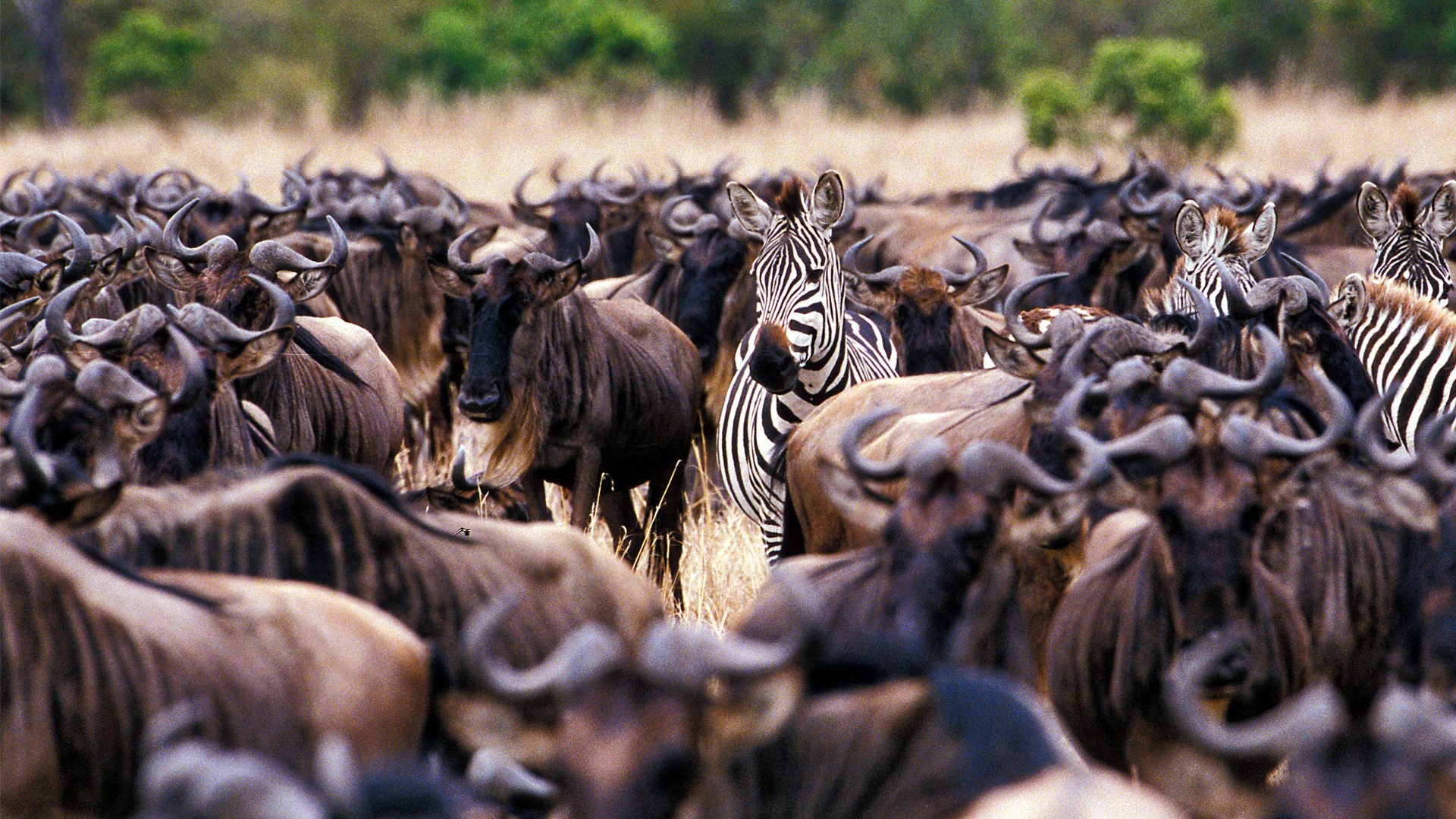
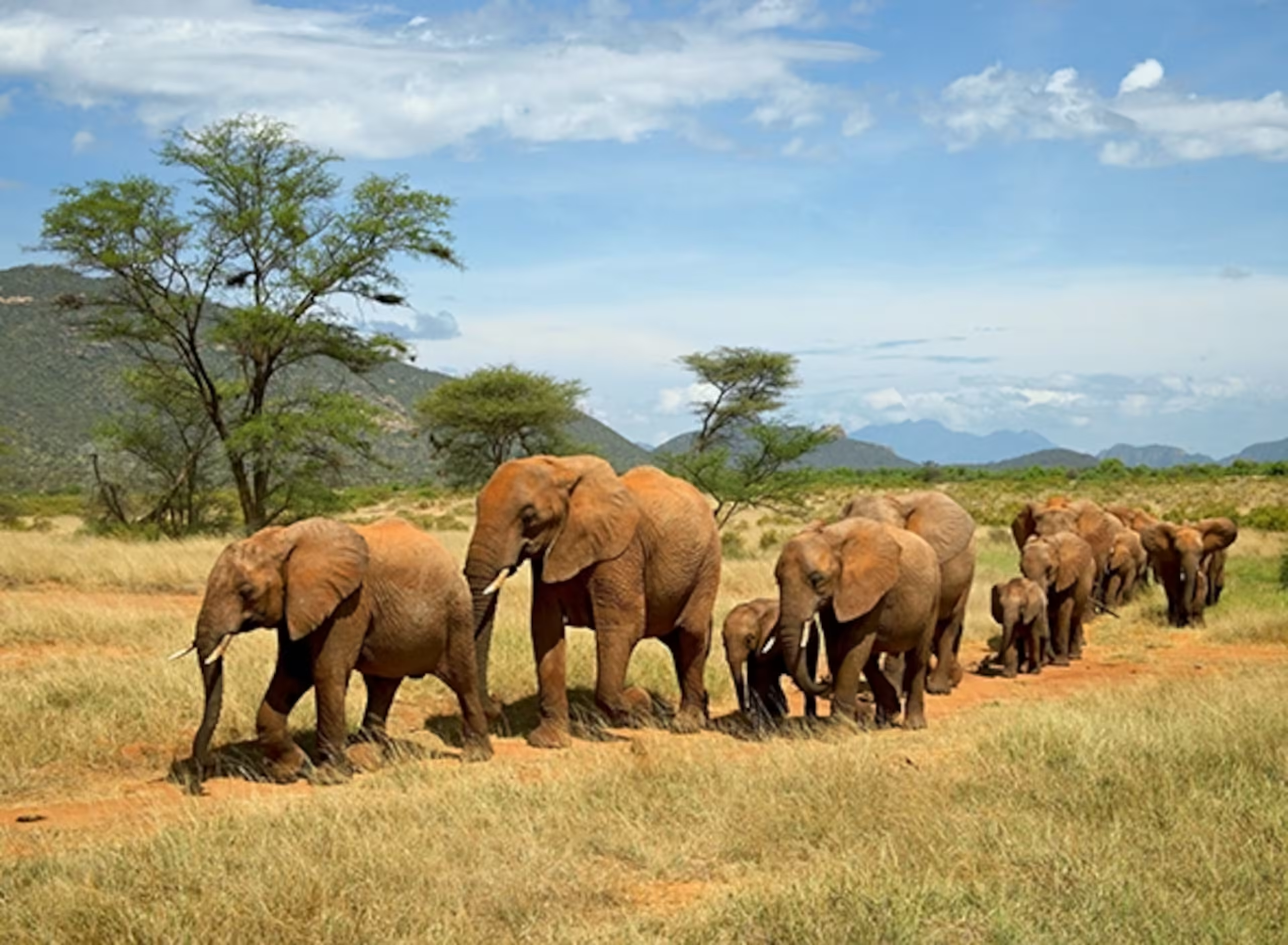
Explore Kruger National Park, home to the Big Five and diverse wildlife
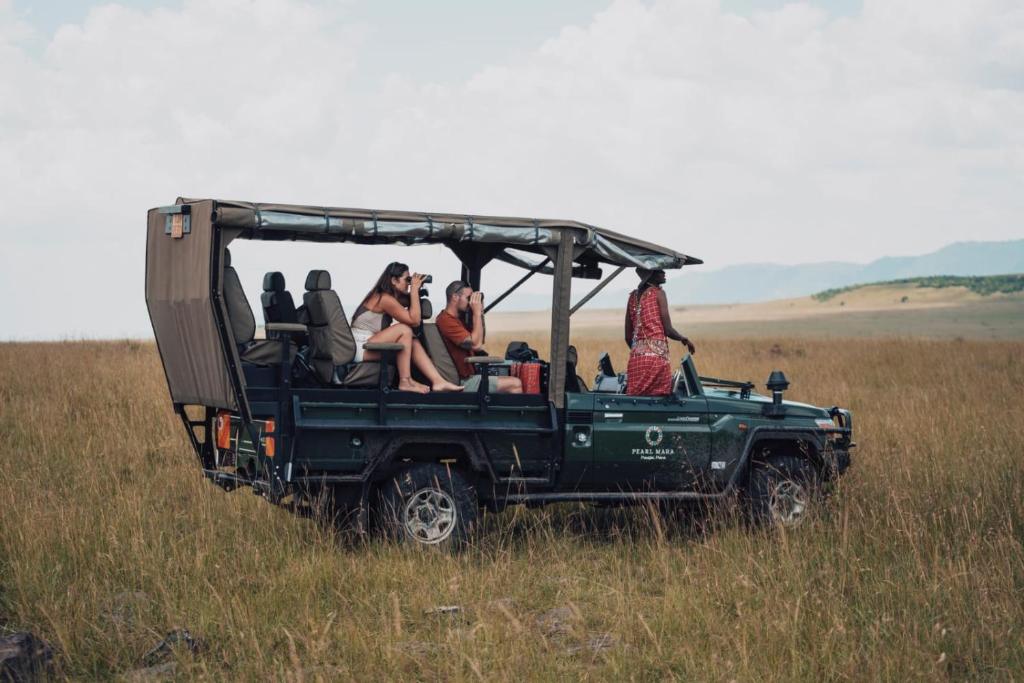
Private game drives and walking safaris in exclusive reserves
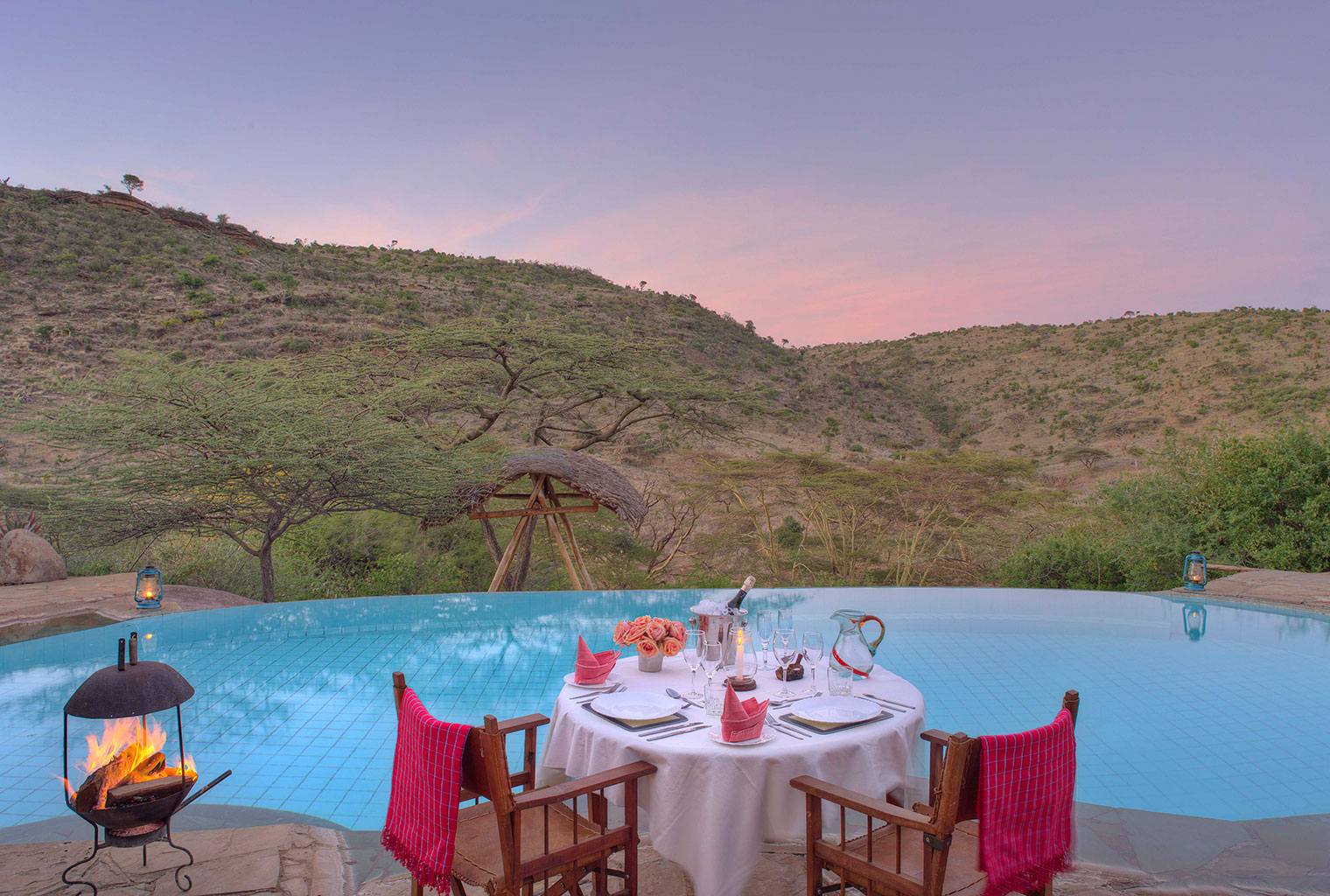
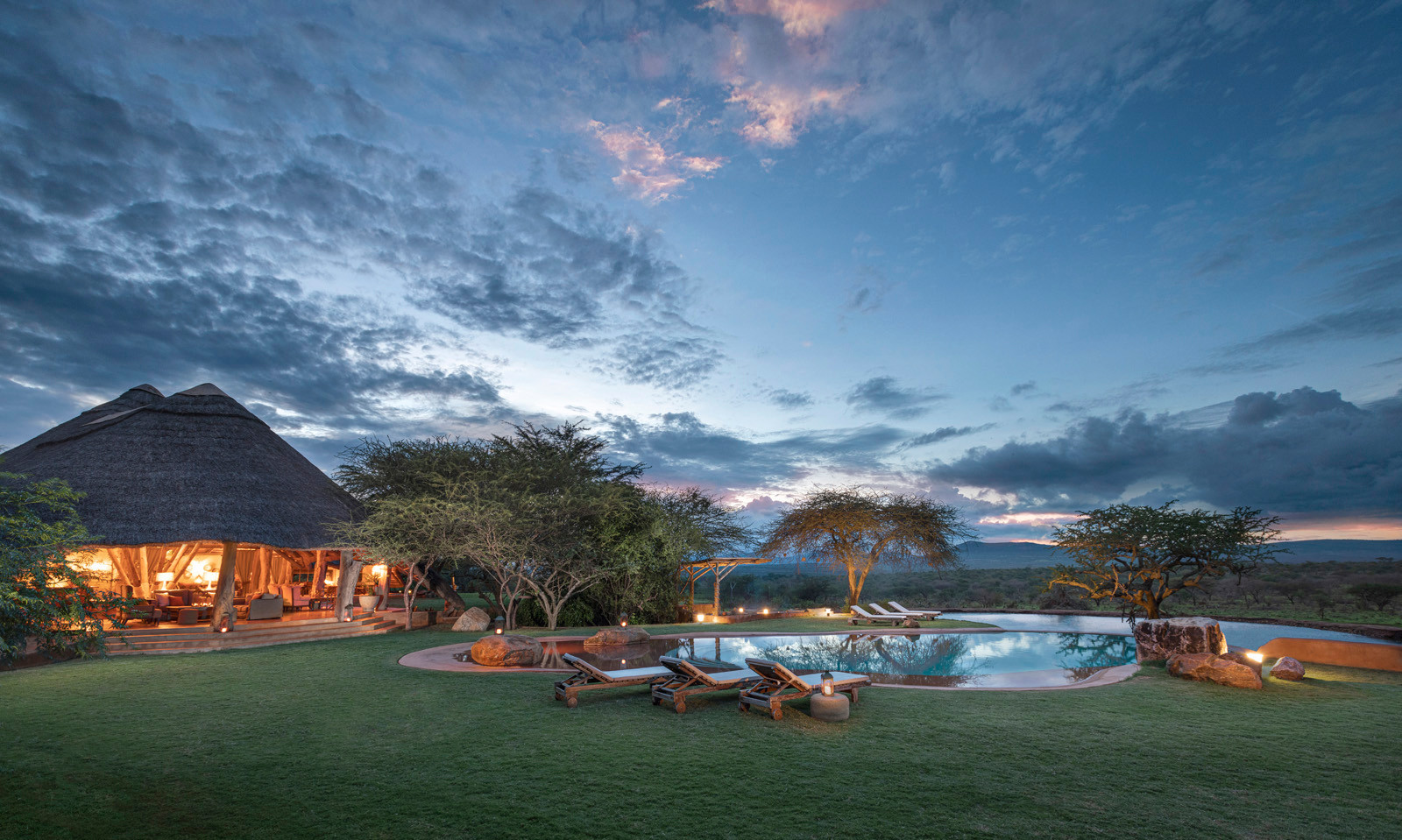
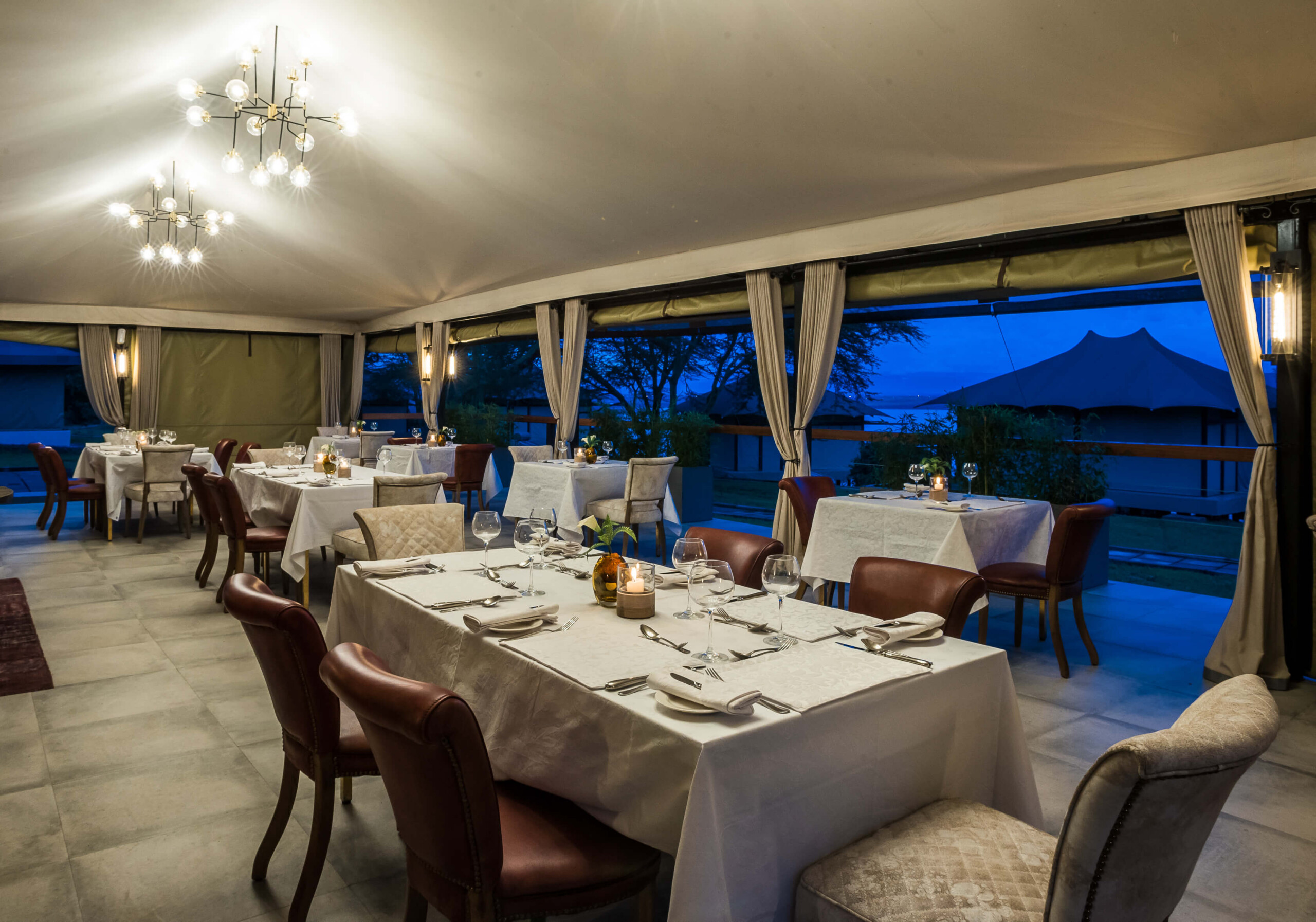
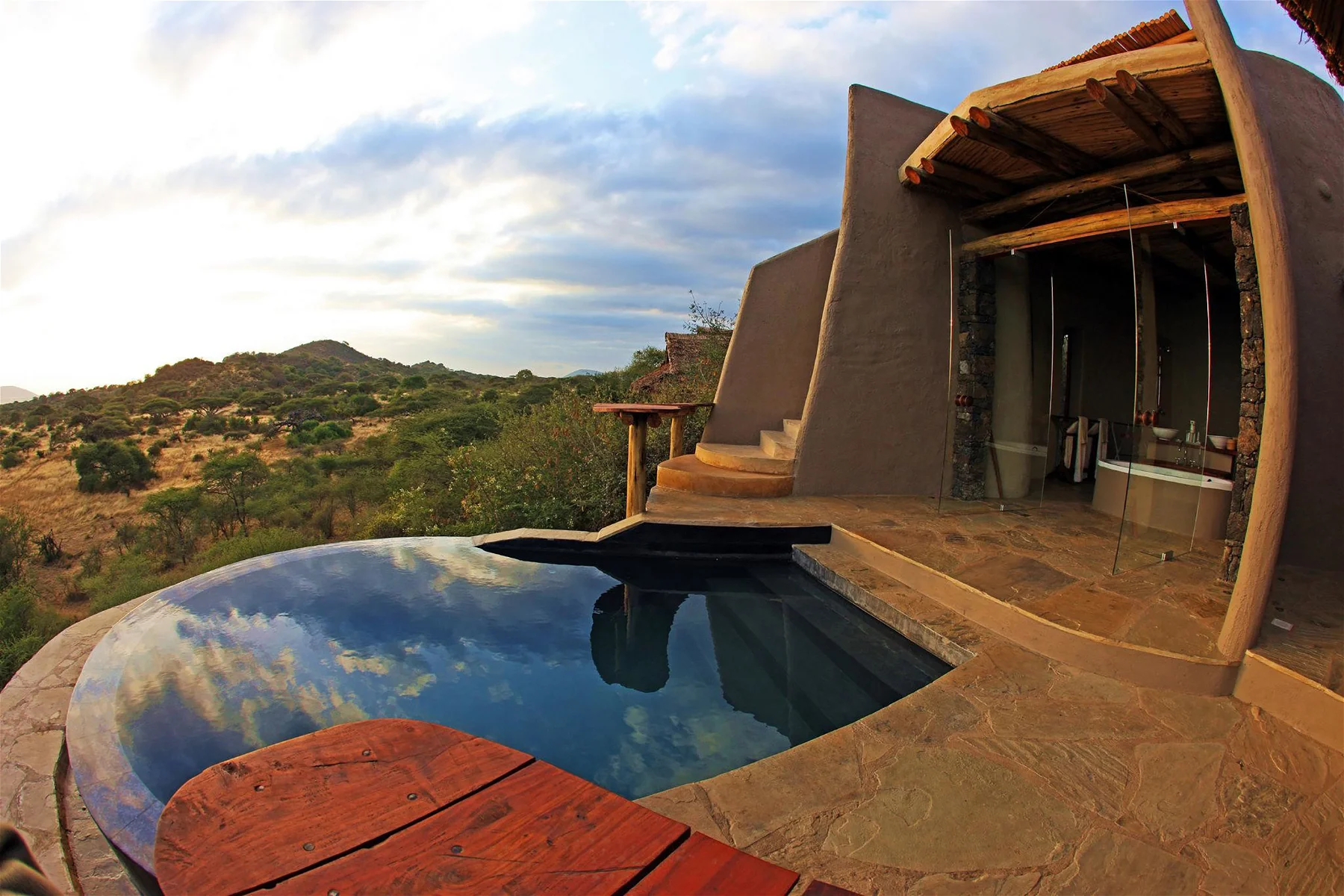
Luxury lodge stays in malaria-free reserves like Sabi Sand, Madikwe, and Phinda
Scenic drives along the Garden Route and dramatic Cape coastlines
Wine tasting in the renowned Cape Winelands
Cultural tours in vibrant cities like Cape Town and Johannesburg
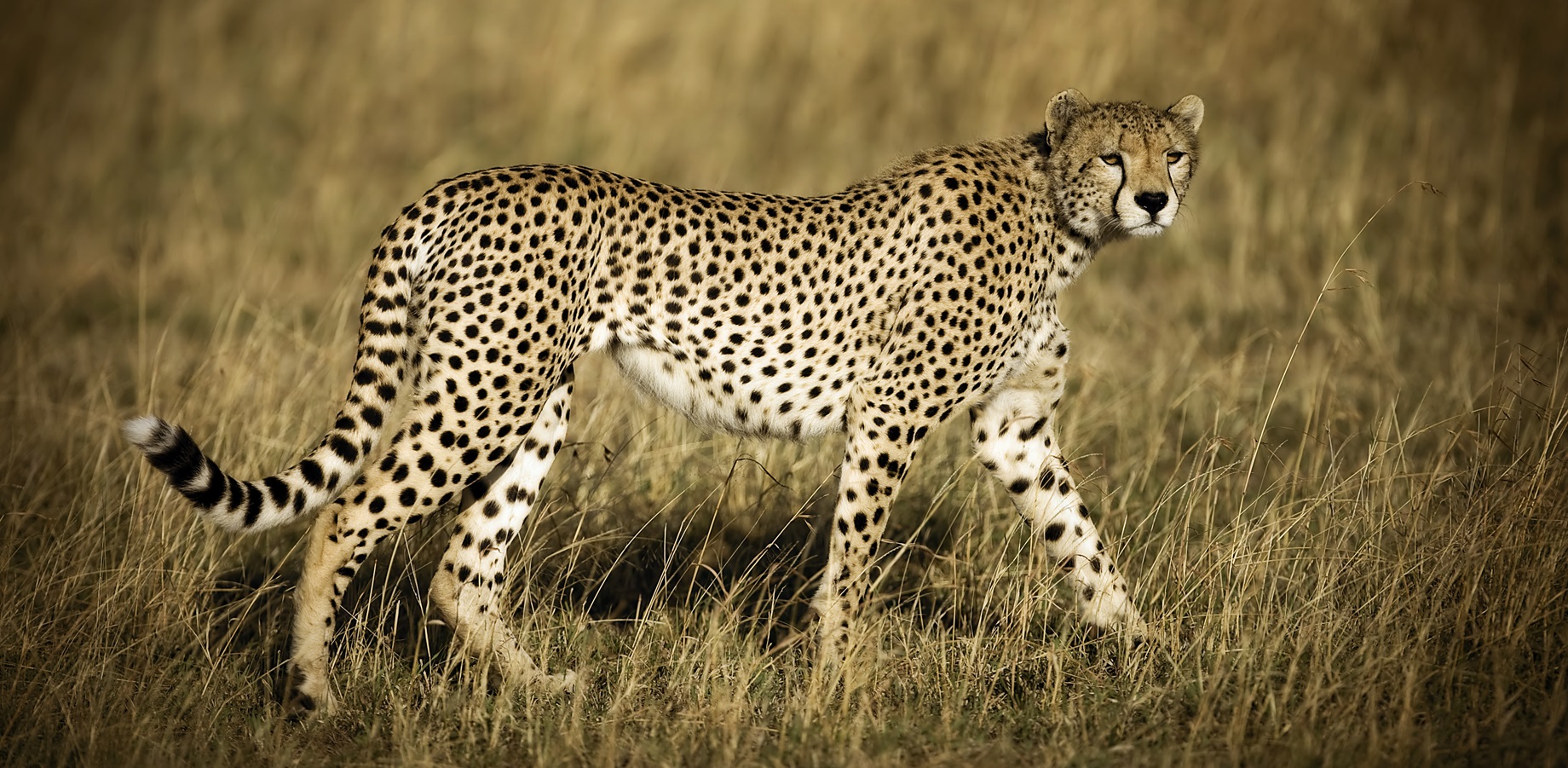
Big cat sightings, birdwatching, and photographic safaris
Combine safari with luxury coastal retreats
Helicopter or hot-air balloon flights for aerial perspectives
Perfect for honeymooners, photographers, and wildlife enthusiasts
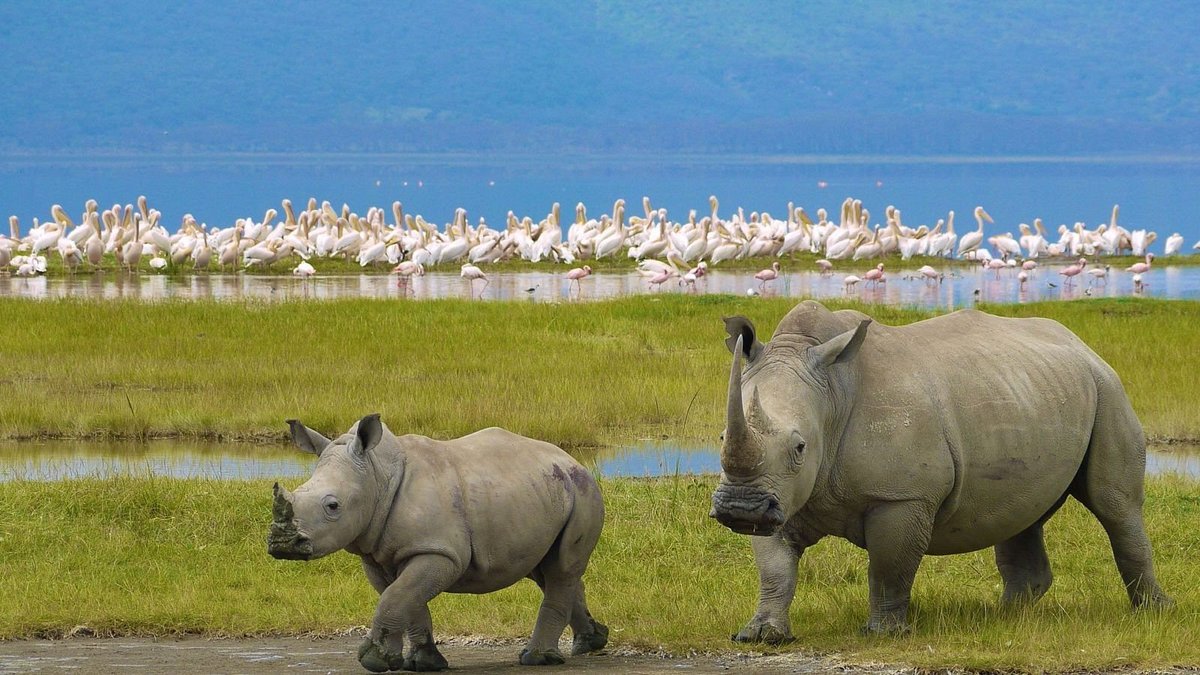
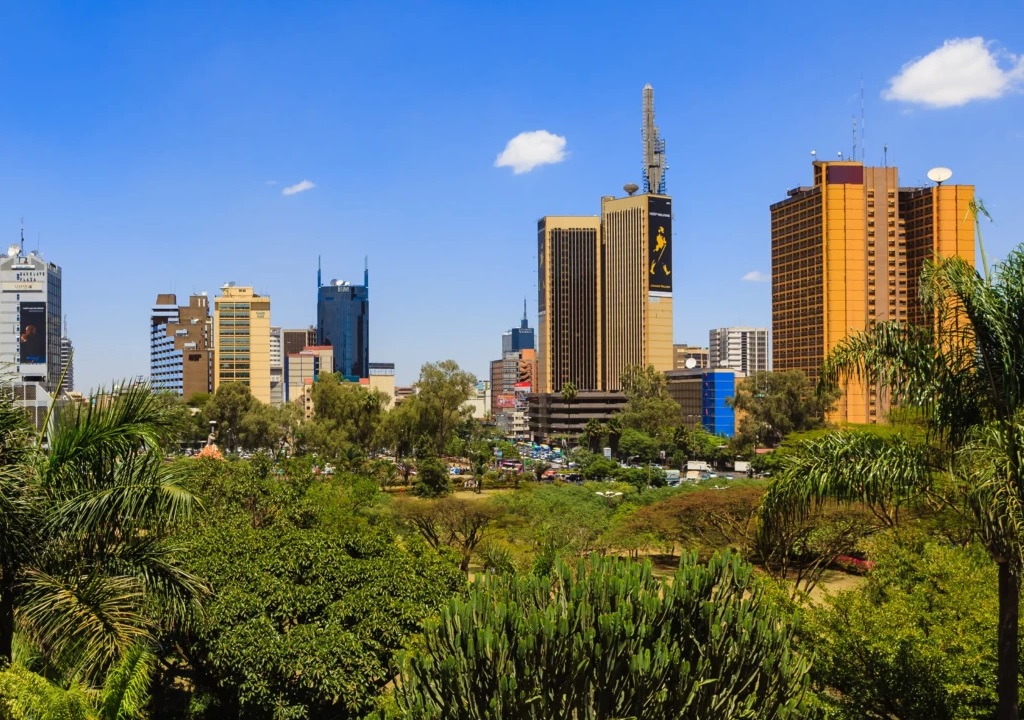
Official Name: Republic of South Africa
Capital Cities: Pretoria (administrative), Cape Town (legislative), Bloemfontein (judicial)
Population: Approximately 60 million
Official Languages: 11 official languages including English, Zulu, Afrikaans
Currency: South African Rand (ZAR)
Time Zone: GMT +2
International Airports: OR Tambo International Airport (JNB), Cape Town International Airport (CPT), King Shaka International Airport (DUR)
Geographical Size: 1,221,037 square kilometres
South Africa is a land of contrasts, where iconic wildlife, breathtaking coastlines, and cultural richness meet luxurious safari experiences.
Geography & Landscape
South Africa’s landscapes are incredibly diverse:
-
Kruger National Park & Private Reserves – Classic savannah safari with Big Five encounters
-
Sabi Sand Game Reserve – Luxury lodges and exceptional wildlife sightings
-
Madikwe & Pilanesberg – Malaria-free Big Five safaris
-
Cape Town & Table Mountain – Stunning coastal city and natural landmarks
-
Garden Route – Scenic coastal drive with forests, lagoons, and beaches
-
Drakensberg Mountains – Dramatic peaks, waterfalls, and hiking trails
-
Winelands – Rolling vineyards and fine wine experiences
Climate
South Africa has a varied climate due to its large size, ranging from Mediterranean in the southwest to subtropical along the east coast and semi-arid in the interior. Wildlife viewing and activities depend on the season and region.
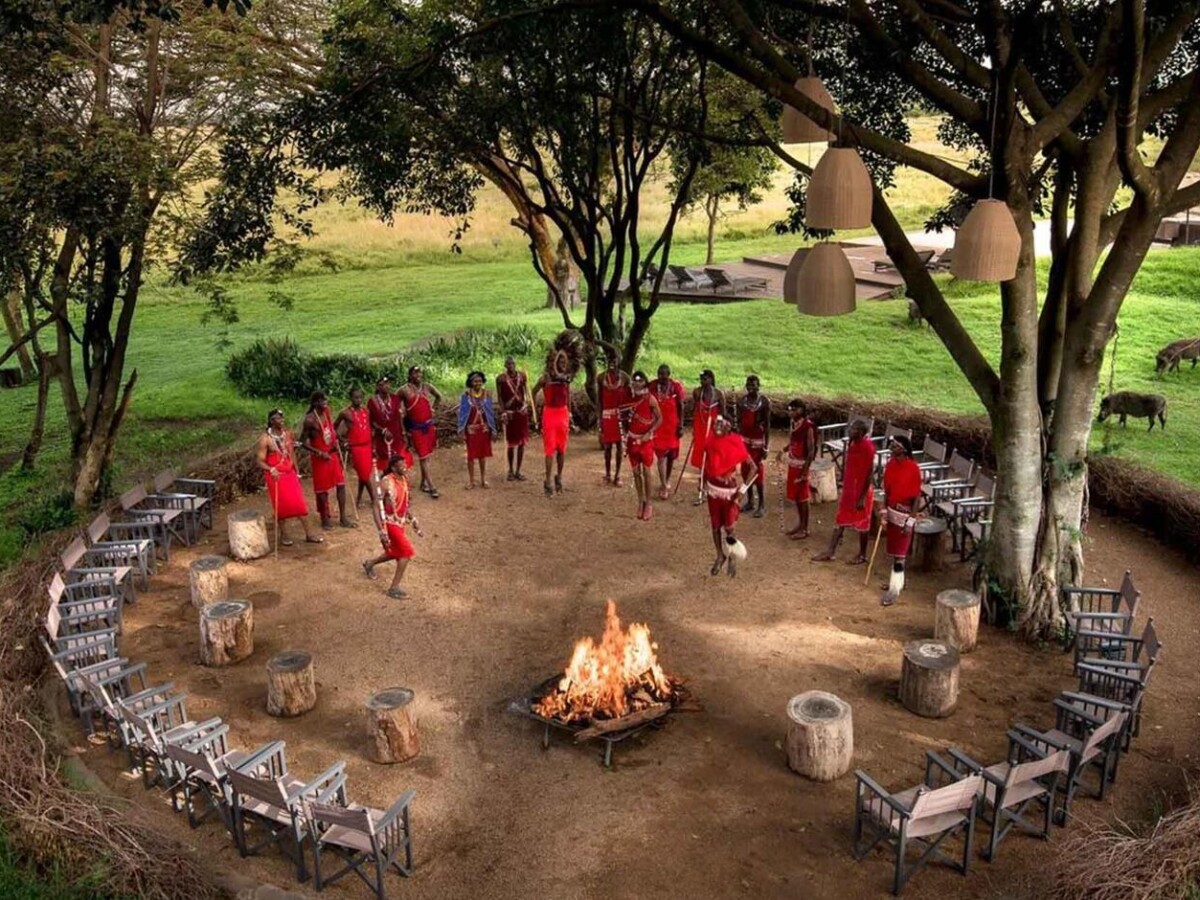
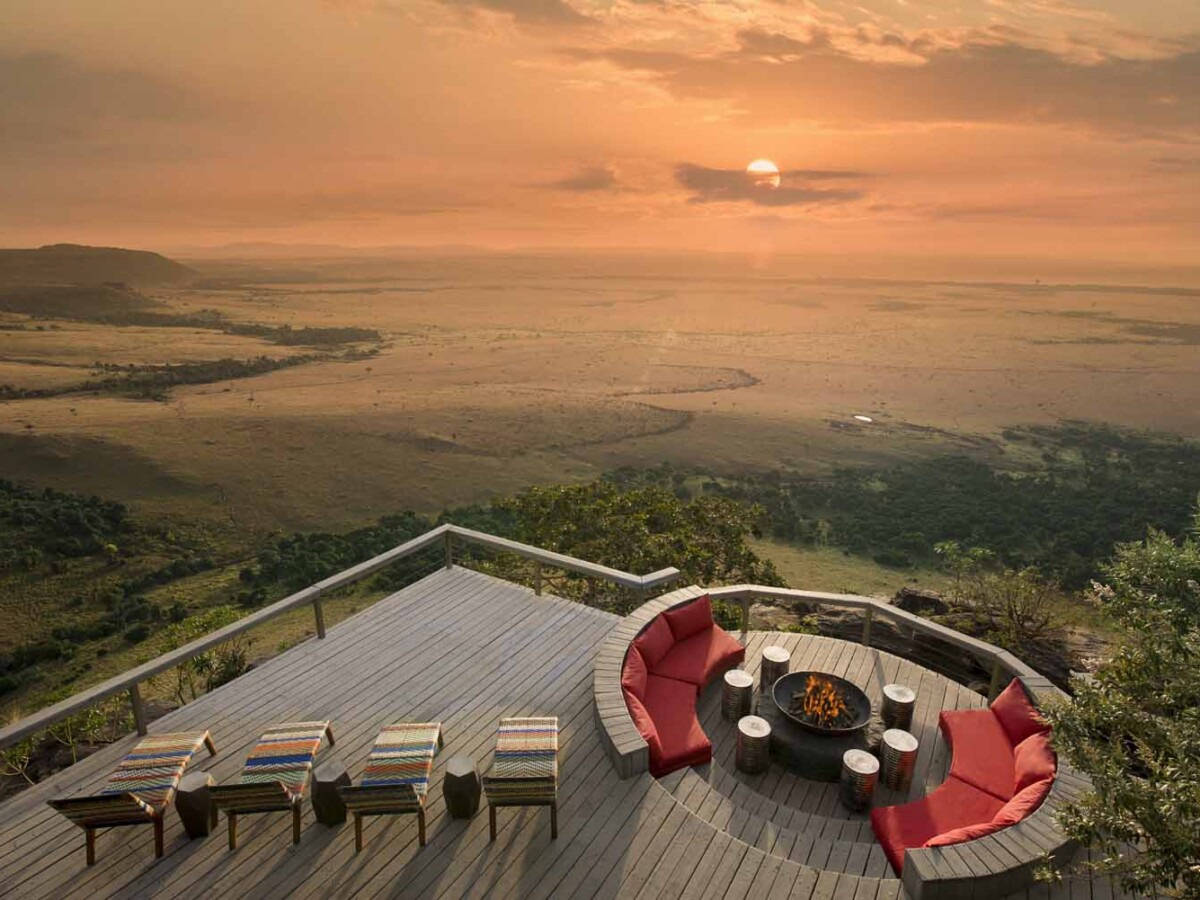
Seasonality & Best Time to Travel to South Africa
South Africa’s safari and travel year can be broken into four main seasonal categories, each with distinct advantages:

1. Cool Dry Season (May – August) – Peak Safari & Wildlife Viewing
-
Mild, dry conditions with cool nights
-
Ideal for game drives in Kruger and private reserves
-
Vegetation is thinner, making wildlife easier to spot
-
Excellent photography conditions

2. Hot Dry Season (September – November) – Shoulder Season
-
Increasing temperatures, dry vegetation, and concentrated wildlife
-
Ideal for predator activity and photographing dramatic landscapes
-
Fewer tourists than peak season
-
Great for walking safaris and aerial wildlife photography

3. Green Season / Early Wet (December – February)
-
Warm temperatures with afternoon rains
-
Lush green landscapes, flowering plants, and excellent birdwatching
-
Wildlife may disperse due to abundant water, but scenery is spectacular
-
Fewer tourists in private reserves
4. Late Wet / Flood Season (March – April)
-
Heavier rains rejuvenate rivers and landscapes
-
Canoe and boat safaris in floodplains possible
-
Remote, private wildlife encounters
-
Birdlife and vegetation flourish, offering dramatic photographic opportunities
Summary:
-
Best for classic wildlife viewing: Cool Dry Season (May–August)
-
Best for predator activity & walking safaris: Hot Dry Season (September–November)
-
Best for lush landscapes and birdwatching: Green Season (December–February)
-
Best for remote and exclusive safari experiences: Late Wet Season (March–April)